Federal Regulators Approve Paramount-Skydance Merger Amidst Controversy Over $16 Million Settlement to President Trump
Federal regulators approved Paramount's $8 billion merger with Skydance, including a controversial $16 million settlement to President Trump for his presidential library and legal fees, drawing criticism and coinciding with CBS changes.
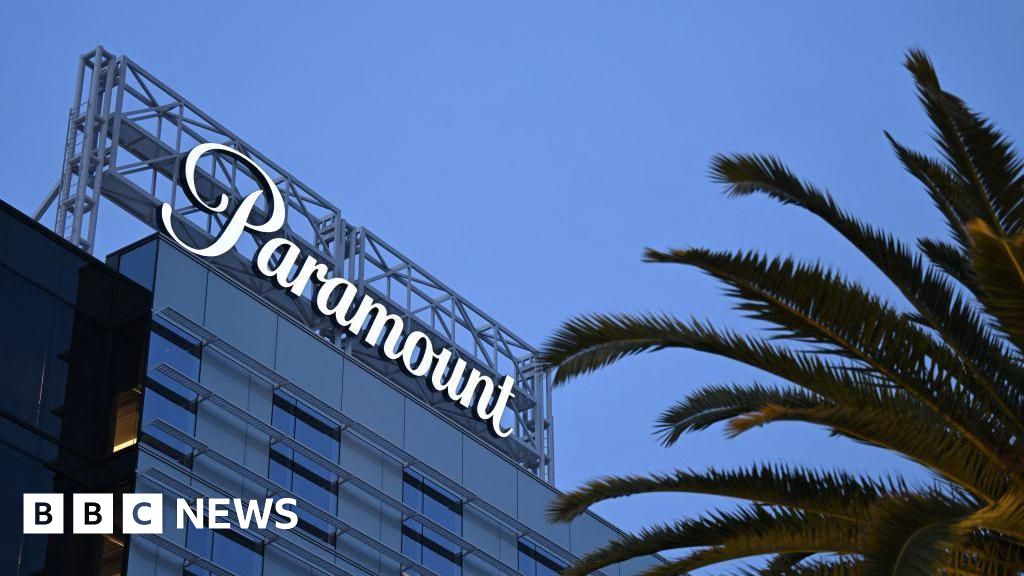
 BBC News
US FCC clears $8bn Skydance-Paramount merger

 Washington Examiner
FCC approves $8 billion Skydance merger with Paramount after DEI assurances - Washington Examiner

 Epoch Times
FCC Approves Paramount’s $8 Billion Merger Deal With Skydance

 New York Sun
FCC Approves Skydance’s $8 Billion Purchase of CBS Parent Company Paramount Just Weeks After Settling Trump’s ‘60 Minutes’ Lawsuit
Overview
Federal regulators have officially approved the $8 billion merger between Paramount and Skydance, concluding a period of significant uncertainty and complex negotiations that had previously threatened the deal's collapse multiple times.
As part of the approved merger, Paramount agreed to pay President Trump a $16 million settlement, specifically designated to fund his future presidential library and cover his ongoing legal fees.
The substantial settlement faced considerable criticism from various observers, who labeled it a veiled bribe intended to appease President Trump and facilitate the crucial merger's regulatory approval.
FCC Chairman Brendan Carr praised the merger, anticipating it would enhance balance within the CBS network, while Skydance management assured regulators they would monitor for perceived bias at CBS News.
The merger's approval coincided with CBS canceling Stephen Colbert’s 'Late Show' following his public criticism of the settlement, adding another layer of controversy to the high-profile corporate deal.
Analysis
Center-leaning sources frame the Paramount-Skydance merger approval by emphasizing the political controversies and concerns over editorial independence. They highlight the $16 million settlement with Donald Trump, portraying it as a "veiled bribe" that triggered "outrage" and resignations. The narrative suggests the deal's approval was intertwined with these pressures, raising questions about CBS's journalistic integrity and the need for "balance."