President Trump and EU Finalize Landmark Trade Deal, Averting Higher Tariffs and Boosting Economic Ties
President Trump and EU's von der Leyen finalized a trade deal, setting 15% tariffs on EU imports. This averts higher rates and includes EU energy and investment commitments.
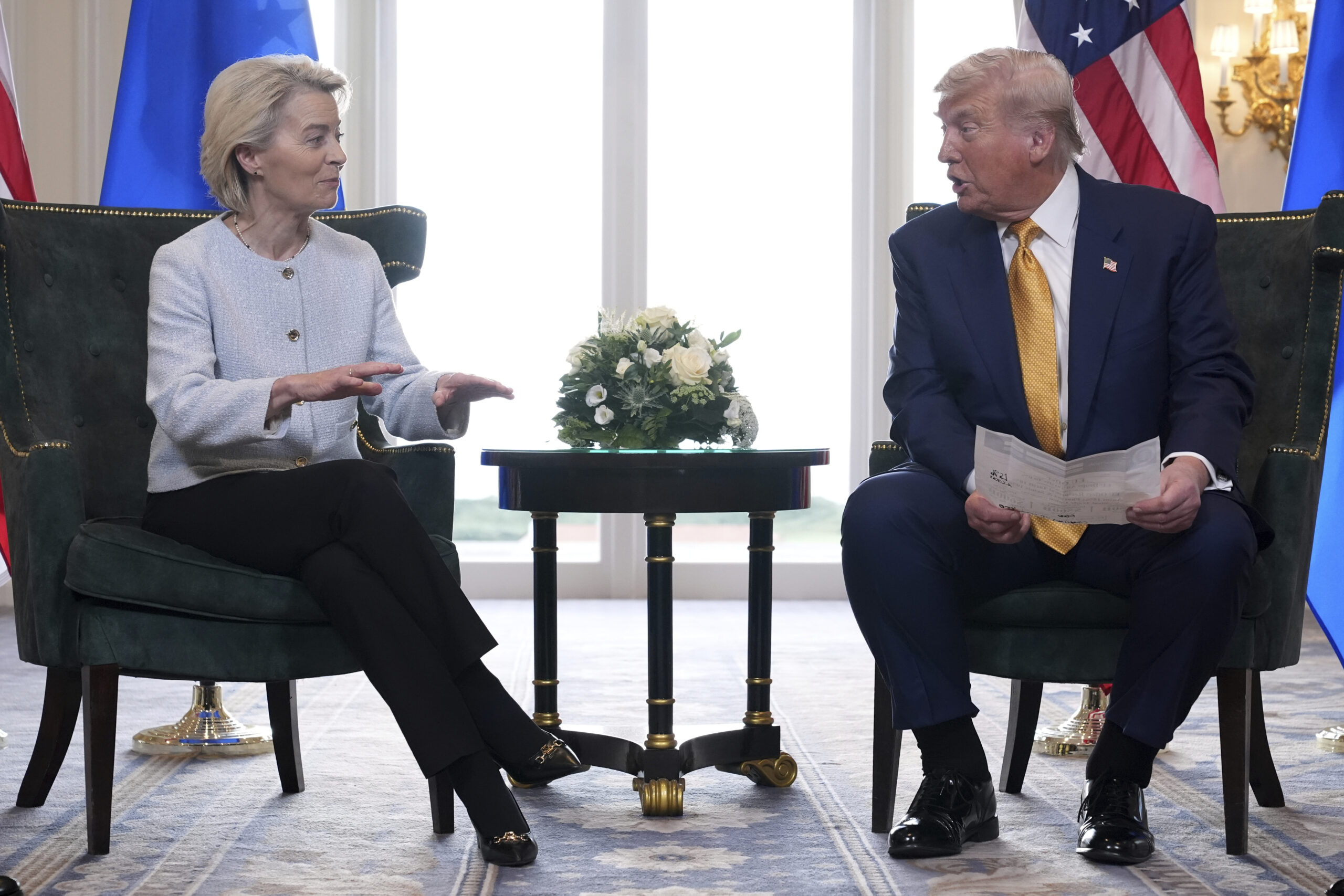
 New York Sun
Partial Details of US-EU Trade Pact Reveal Some European Winners and Losers

 PBS NewsHour
The U.S. and EU release a bare-bones account of their trade deal, but it's a work in progress
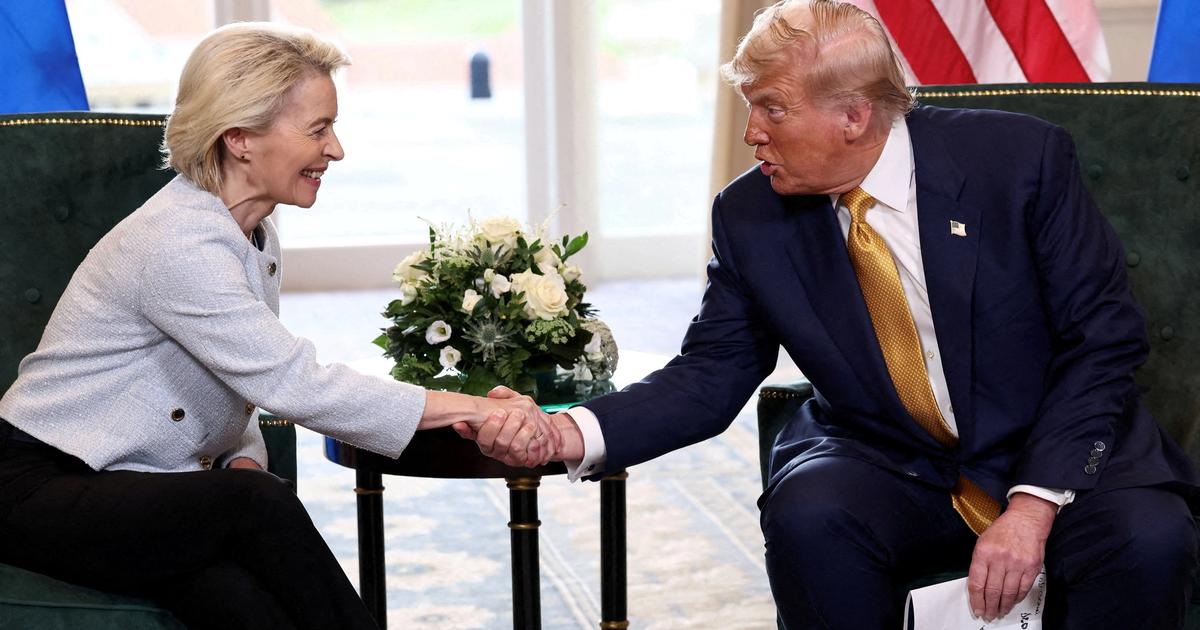
 Semafor
US agrees to cap tariffs on Europe at 15% in trade deal framework
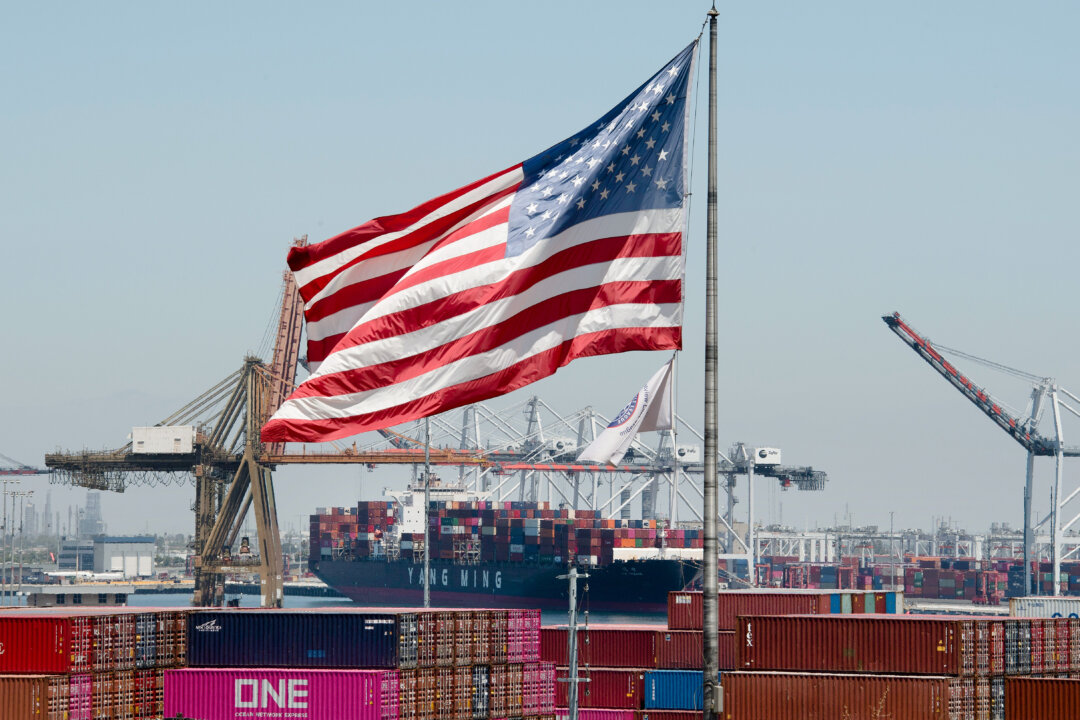
 Epoch Times
US, EU Unveil Trade Deal Details, Capping Tariffs and Unlocking Billions in Energy and Tech Purchases
Overview
President Trump and EU's von der Leyen finalized a trade deal at Turnberry, setting a 15% tariff on most EU imports, including cars, averting a potential 30% tariff threat.
The deal includes EU commitments to buy $750 billion in U.S. energy products and for EU companies to invest $600 billion in U.S. strategic sectors by 2028.
U.S. tariff relief on autos begins when the EU eliminates tariffs on American industrial exports, with potential retroactive benefits for carmakers.
The joint statement solidifies trade commitments, covering non-tariff barriers, digital trade, and environmental regulations, with potential for future market access expansion.
This landmark agreement aims to significantly enhance the $2 trillion annual trade relationship between the U.S. and EU, representing 44% of the global economy.
Analysis
Center-leaning sources frame this story by emphasizing the mixed outcomes for Europe, highlighting both the relief from US threats and the conditional nature of concessions that could challenge European industries. They use language that subtly conveys the difficulties and internal dissent faced by the EU in securing the agreement.