Federal Reserve Chair Jerome Powell Signals Potential September Rate Cut Amid Inflation Concerns and Policy Shift
Federal Reserve Chair Jerome Powell signaled a potential September interest rate cut at Jackson Hole, balancing inflation concerns with a strong job market and a new 2% average inflation target.

 Washington Examiner
What Trump Fed candidates have said about interest rate cuts
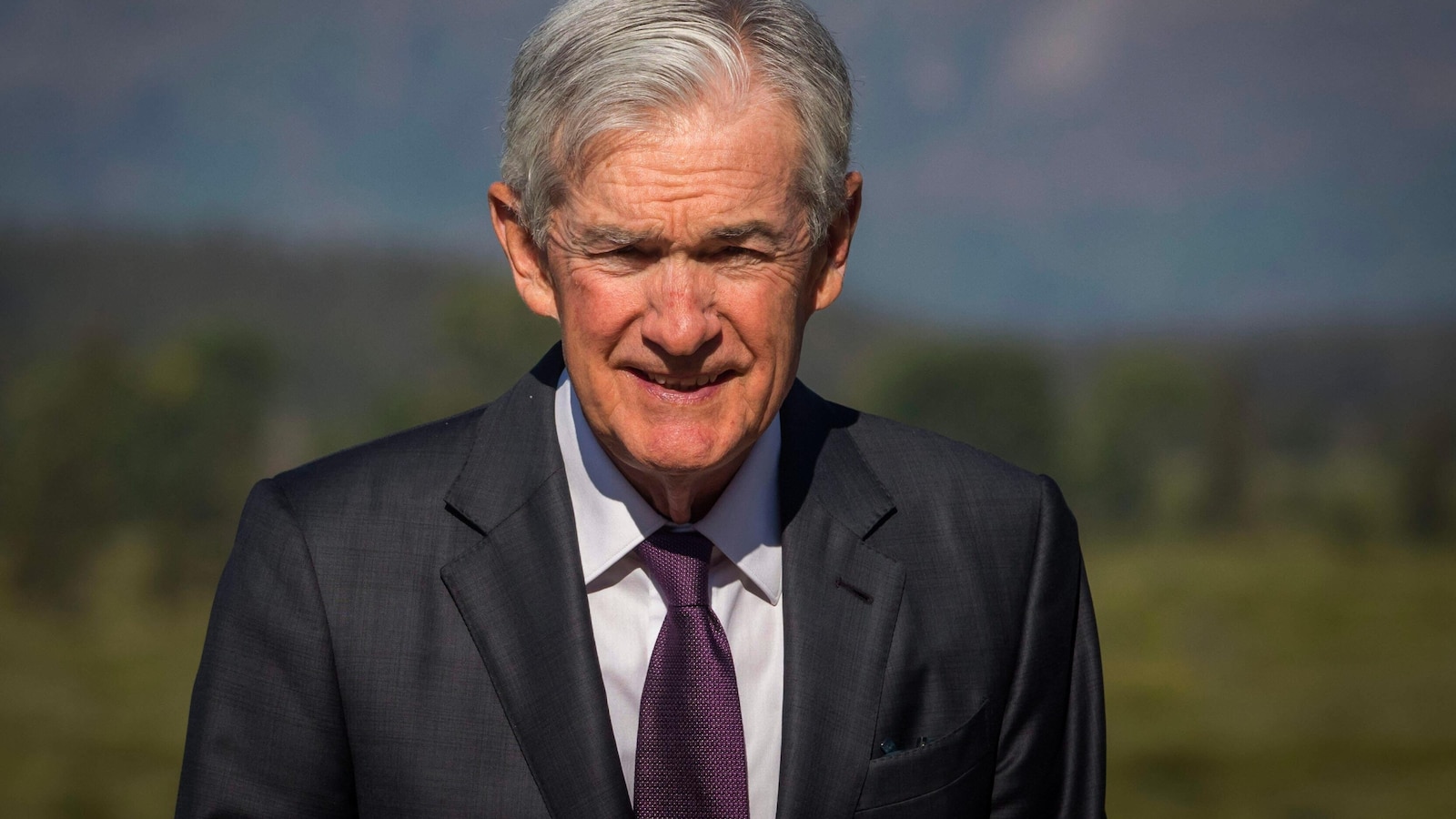
 ABC News
Fed Chair Powell faces fresh challenges to Fed independence amid potential rate cuts
 Associated Press
Fed Chair Powell faces fresh challenges to Fed independence amid potential rate cuts
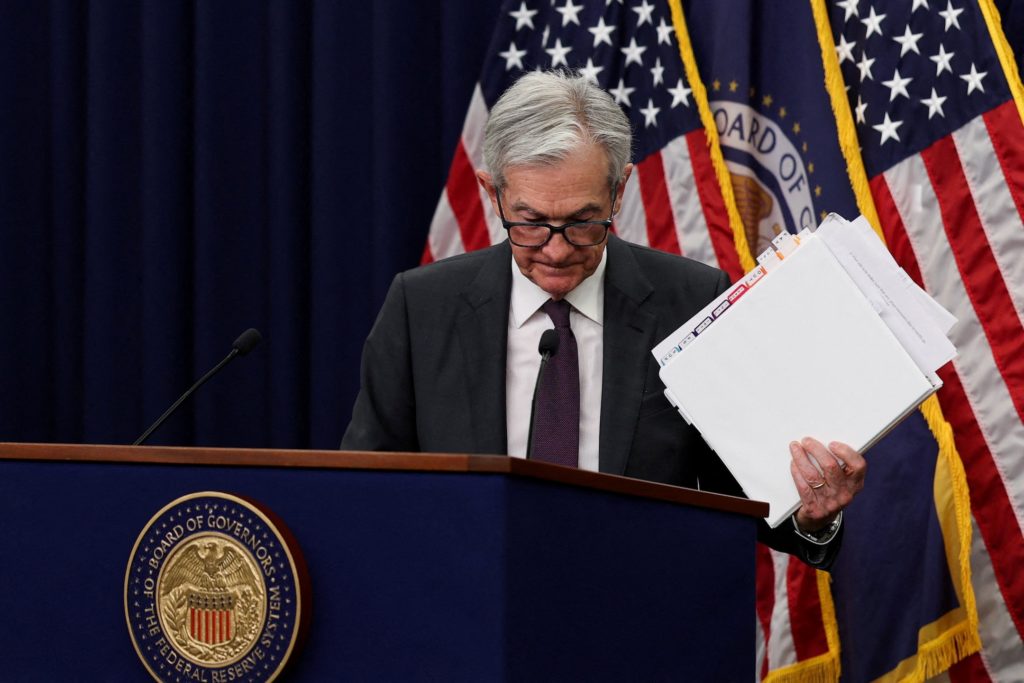
 PBS NewsHour
Powell hints at long-awaited rate cut but admits Fed in 'challenging situation'
Overview
Federal Reserve Chair Jerome Powell indicated a possible interest rate cut could occur as early as September during his speech at the Jackson Hole economic symposium.
Powell expressed ongoing concerns about persistent inflation, noting consumer prices rose 2.7% and core prices increased 3.1%, while also highlighting the impact of tariffs.
Despite a significant slowdown in hiring, the unemployment rate remains low, presenting the Fed with the challenge of balancing a healthy job market with its inflation control mandate.
Investor confidence in a September rate cut surged to 91% following Powell's remarks, leading to a positive market response with stocks rising and Treasury yields falling.
Powell also announced modifications to the Fed's 2020 policy framework, which now prioritizes addressing employment shortfalls and aims to achieve an average inflation rate of 2% over time.
Analysis
Center-leaning sources frame this story around the critical importance of Federal Reserve independence against political pressure, particularly from the White House. They emphasize President Trump's "constant hectoring" and "pressure campaign" as a threat, contrasting his demands with Powell's stated rationale for potential rate cuts. The narrative consistently highlights the Fed's need to resist external influence.