Mortgage Rates Fall to Nearly One-Year Low Amid Federal Reserve Rate Cut and Job Market Concerns
Mortgage rates have fallen to their lowest in nearly a year, with the Federal Reserve cutting its benchmark rate by 25 basis points, impacting the housing market and driving a surge in refinance applications.

 CBS News
Here are the 3 biggest ways the federal interest rate cut could impact your money
 Reason
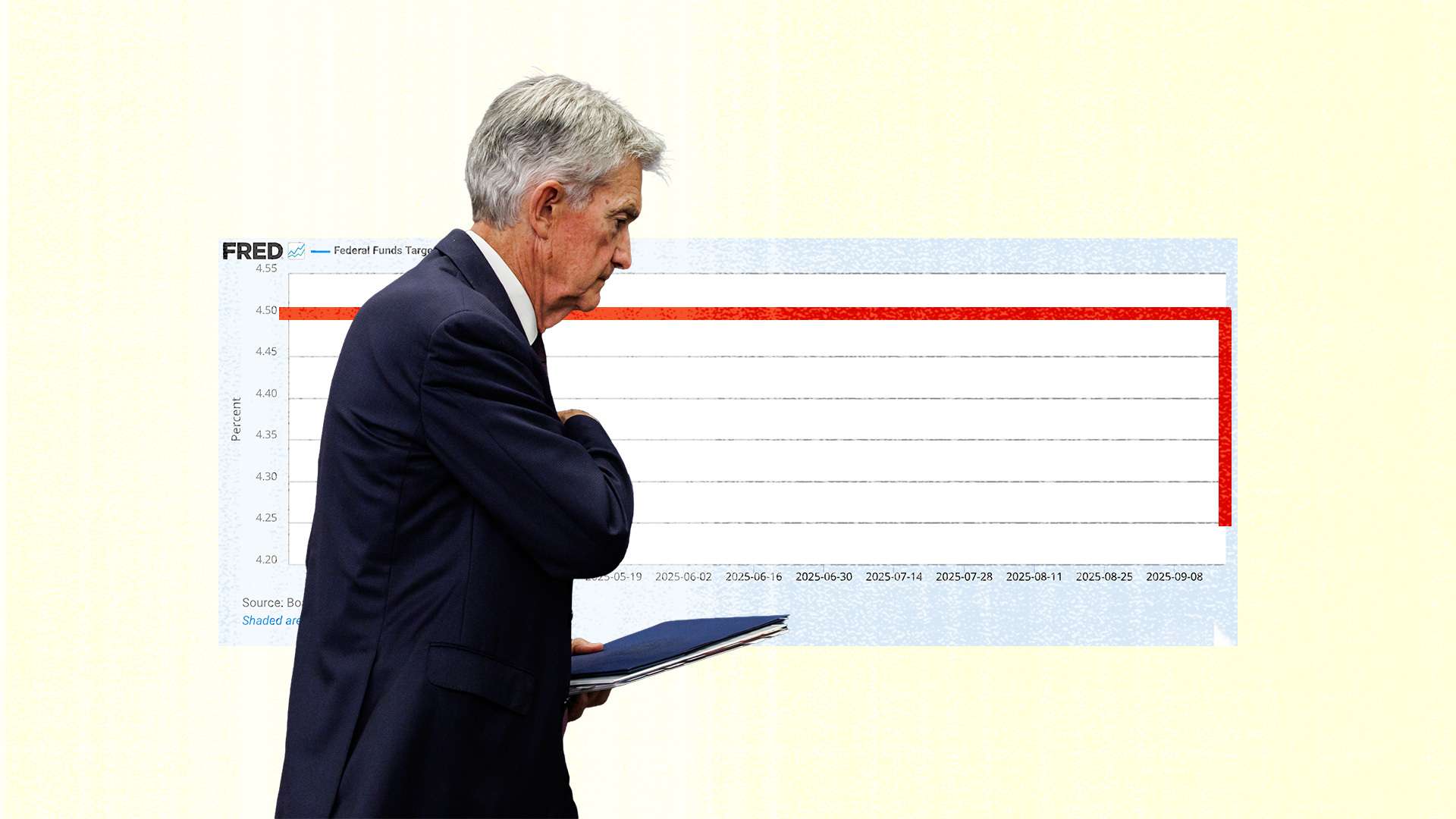
The Federal Reserve cuts rates with inflation still hot. Is political pressure winning?

 ABC News
Average rate on a 30-year mortgage falls again, dips to lowest level since early October

 Fox Business
Mortgage rates fall again, refinances jump to highest level since 2022
Overview
The average 30-year mortgage rate has fallen to 6.26%, its lowest in nearly a year, with the 15-year rate also decreasing, offering a positive impact on the struggling housing market.
The Federal Reserve implemented its first 25-basis-point interest rate cut this year, with additional reductions planned through December, driven by concerns over the U.S. job market.
Mortgage rates have consistently declined for four weeks, primarily influenced by the 10-year Treasury yield and investor expectations regarding Federal Reserve policy and economic growth.
This recent drop in rates has spurred a significant nearly 60% increase in refinance applications, as homeowners aim to secure lower rates and potentially offset associated fees.
While mortgage rates fall, inflation persists above the Federal Reserve's 2% target, and financial institutions are observed lowering savings rates faster than loan rates.
Analysis
Center-leaning sources cover this story neutrally, focusing on factual reporting of the Federal Reserve's interest rate cut. They systematically explain the immediate and potential future impacts on various consumer financial products, while also addressing internal Fed disagreements and concerns about political independence, presenting multiple perspectives without editorial bias.