NTSB Confirms Loose Wire Caused Baltimore Key Bridge Collapse; Reconstruction Costs Soar to $5 Billion
NTSB found a loose wire on the Dali cargo ship caused the March 2024 Baltimore Key Bridge collapse, killing six workers. Reconstruction is now $5 billion, expected by 2030.
 CBS News
Loose wire on ship may have led to Baltimore Key Bridge collision and collapse, NTSB finds
:max_bytes(150000):strip_icc():focal(455x407:457x409)/baltimore-key-bridge-collapse-3-032624-f65de04c2db64031876161aaa4ba263a.jpg)
 People
Officials Reveal What Caused Cargo Ship to Crash into Baltimore Bridge, Which Collapsed and Killed 6
 FOX News
Single loose wire caused Baltimore bridge collapse that could cost Maryland $5.2B to replace

 USA TODAY
Baltimore bridge collapse that killed 6 was 'preventable,' federal investigators say
Overview
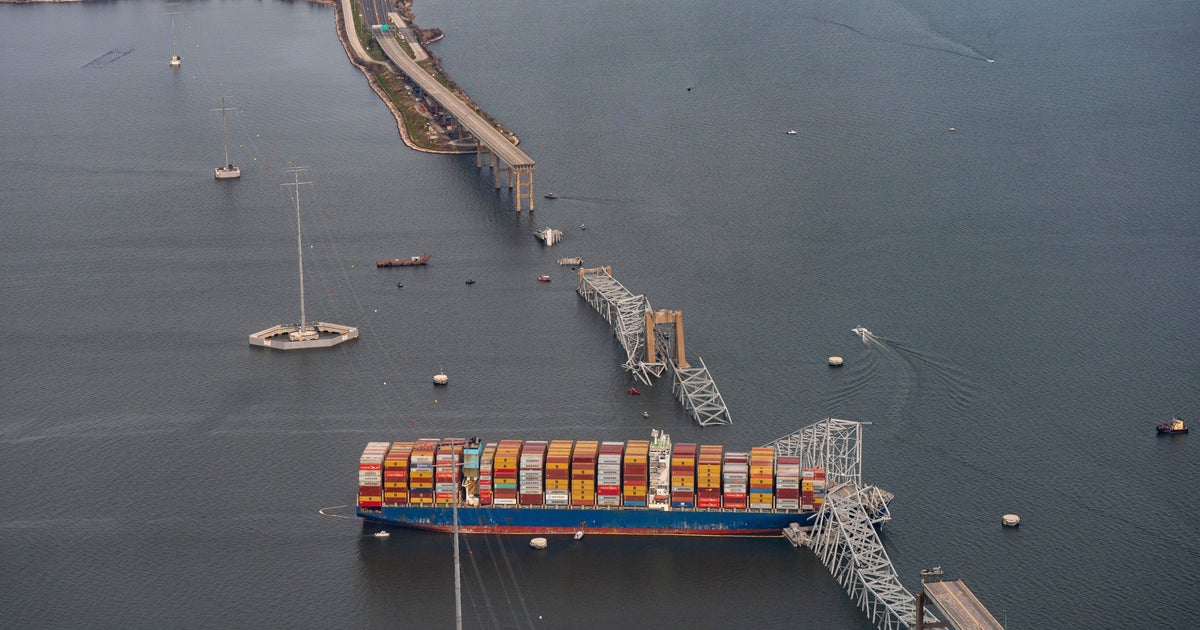
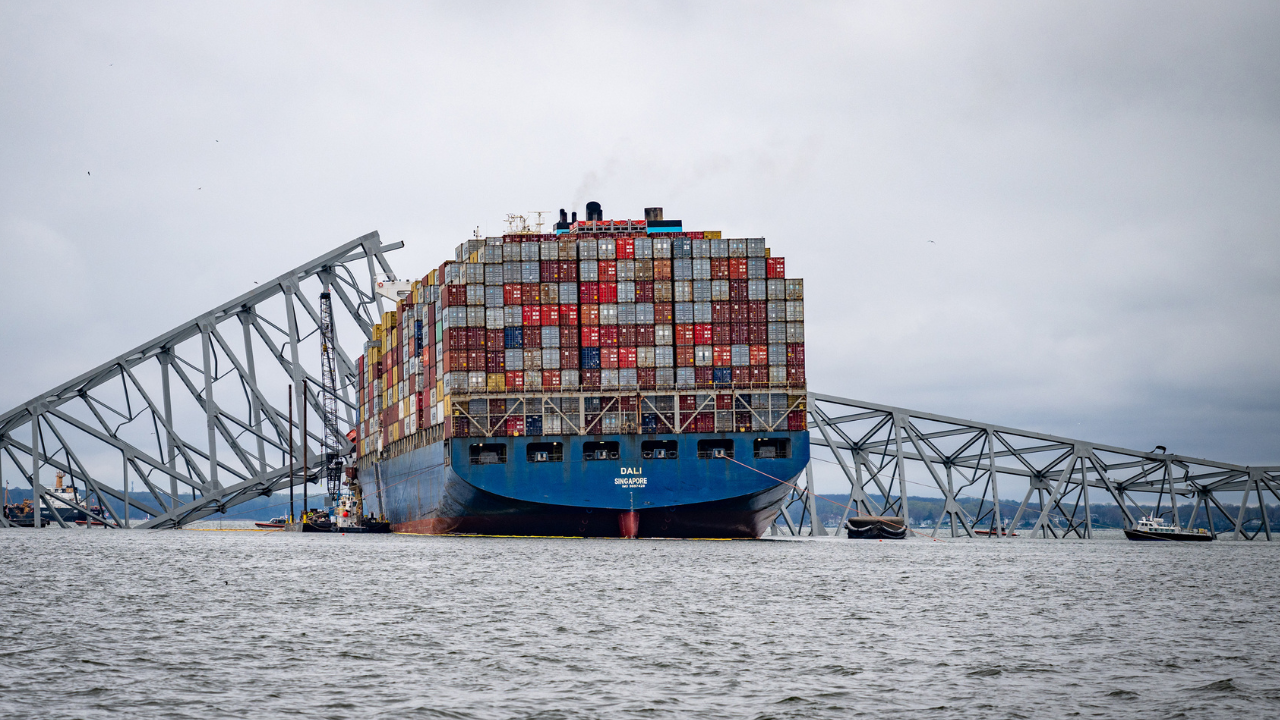
The NTSB concluded a loose wire on the cargo ship Dali led to a power failure, causing it to strike Baltimore's Francis Scott Key Bridge on March 26, 2024.
The collision resulted in the immediate collapse of the bridge, tragically killing six construction workers who were performing overnight pothole-filling duties.
The investigation highlighted failures aboard the vessel, emergency communication issues, and structural vulnerabilities of the 1.6-mile steel span completed in 1977.
Maryland officials have significantly increased the reconstruction cost estimate to $5 billion, pushing the completion timeline for the new bridge to 2030.
The NTSB plans to vote on new safety recommendations, including periodic inspections of high voltage switchboards and faster power recovery systems for ships.
Analysis
Center-leaning sources cover the Baltimore bridge collapse investigation neutrally by focusing on reporting the NTSB's findings and attributed statements from various parties. They present a multi-faceted account, detailing technical causes, human factors, and structural vulnerabilities without injecting their own evaluative language or biased emphasis. This approach allows readers to form their own conclusions based on the presented facts.