Federal Regulators Approve Increased Technology Use for Railroad Track Inspections
Federal regulators approved a waiver for freight railroads to use more technology for track inspections, reducing manual checks. This aims to enhance safety and efficiency, despite union concerns.
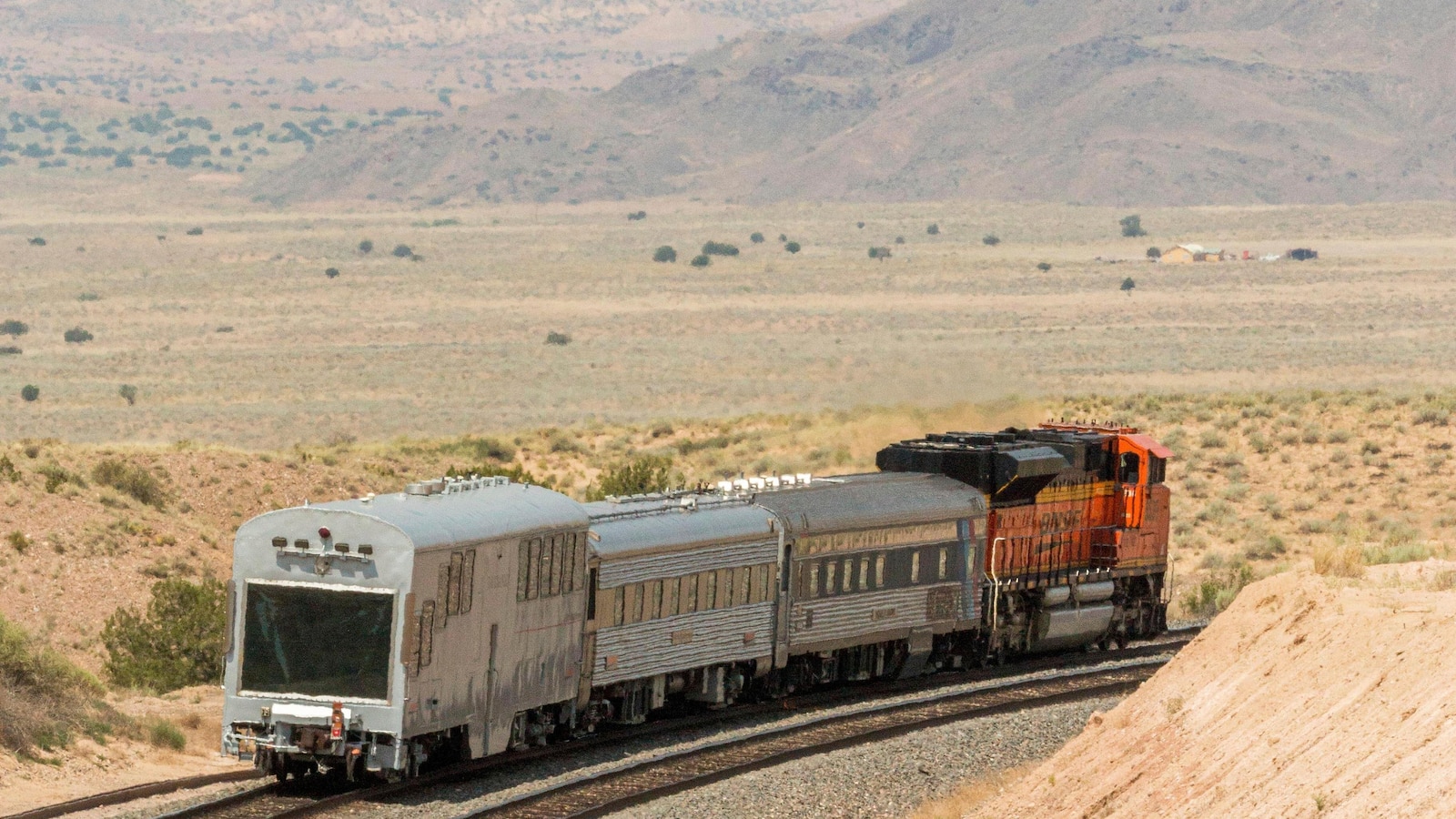


Overview
Federal regulators approved freight railroads' request to use advanced automated technology for track inspections, reducing manual checks from twice weekly to once a week.
The Association of American Railroads advocated for this waiver, asserting that modern automated systems effectively detect issues early, enhancing safety beyond outdated 1971 inspection standards.
BNSF and Norfolk Southern's tests showed that integrating technology with fewer human inspections improved safety, enabling personnel to concentrate on critical equipment like switches.
The union acknowledges technology's benefits but warns it may miss subtle defects like shifting rocks, rail cracks, or rotting ties, which human inspectors are essential for detecting.
Railroads plan to reallocate human inspectors to focus on critical areas automated systems might miss, while the FRA mandates immediate repair of serious track defects.
Analysis
Center-leaning sources cover the story neutrally, presenting a balanced account of the federal government's decision regarding railroad inspections. They effectively highlight arguments from both the railroad industry, advocating for technology, and the track inspectors' union, raising safety concerns, without editorializing or favoring either perspective.