EU Eases 2035 Car Emissions Ban Amid Industry Pressure and EV Market Challenges
The EU is easing its 2035 ban on internal combustion engine cars, allowing hybrids and conventional engines post-2035, due to industry pressure and EV adoption challenges.
 Associated Press
EU moves to ease 2035 ban on internal combustion cars as auto industry faces headwinds

 CNN
CNNEurope backtracks on ban of new combustion engine cars, in setback to tackling climate change | Business
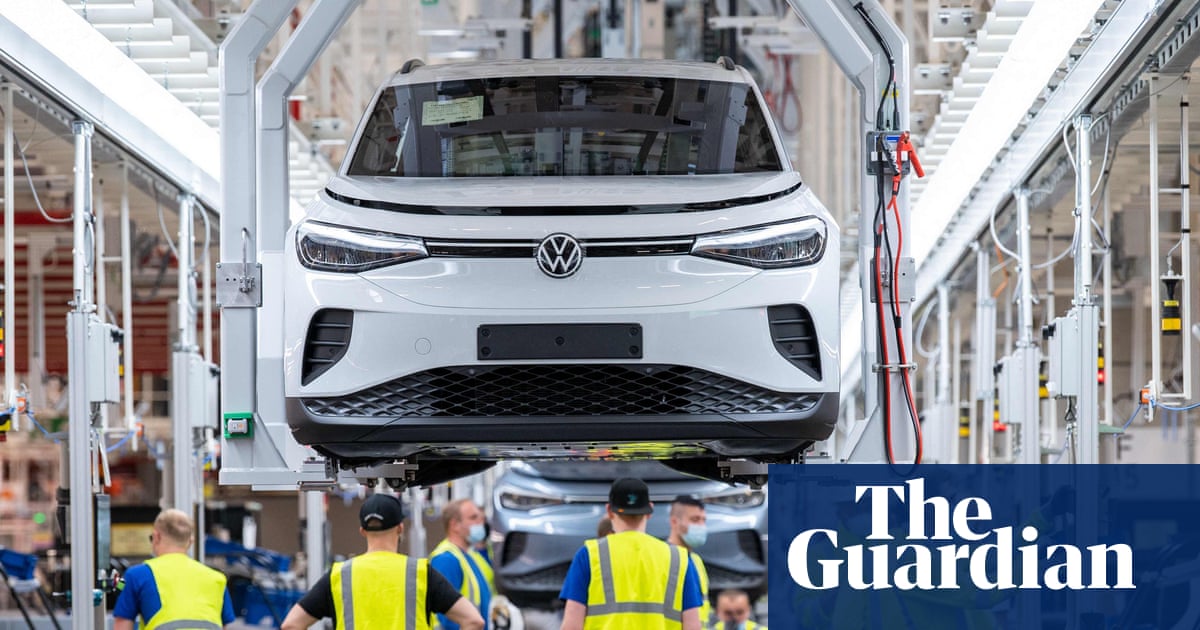
 The Guardian
EU plans to water down ban on new petrol and diesel cars
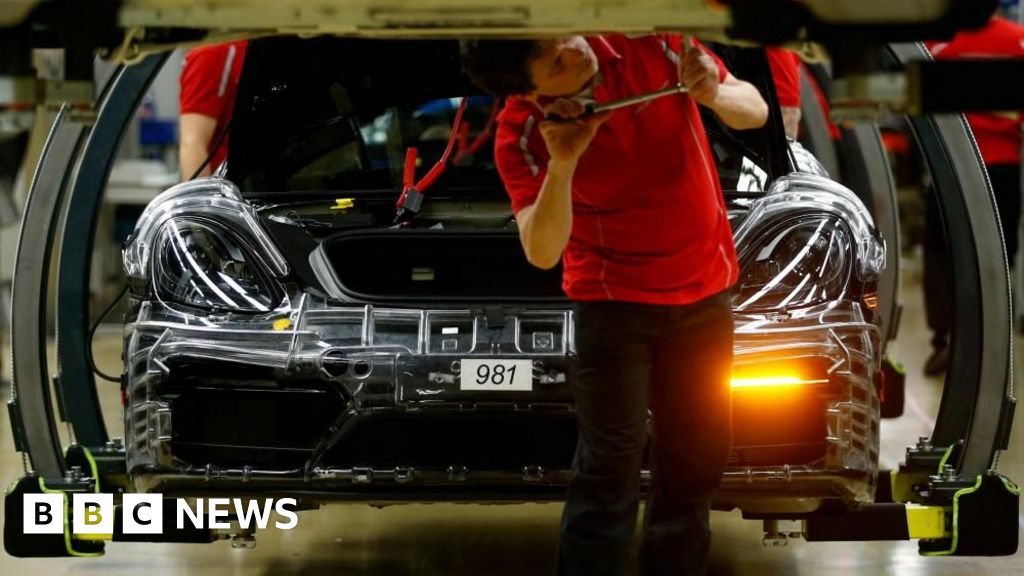
 BBC News
EU waters down plans to end new petrol and diesel car sales by 2035
 Newsmax
EU Moves to Ease 2035 Ban on Internal Combustion Cars as Auto Industry Faces Headwinds
Overview
European officials are easing the 2035 ban on internal combustion engine cars, allowing 10% of new vehicles to be hybrids or use conventional engines, responding to pressure for flexibility.
The adjustment addresses slow charging infrastructure development and slowing electric car demand, impacted by subsidy cancellations and higher prices for European-made vehicles.
The revised EU proposal mandates a 90% emissions reduction, requiring automakers to offset remaining emissions using low-carbon European steel and climate-neutral e-fuels and biofuels.
Despite a 26% increase in European battery-only car sales, the industry faces pressure from rising Chinese EV sales and a market still below pre-COVID-19 levels.
China leads global EV adoption with 34% market share. U.S. fuel efficiency standards have fluctuated under different administrations, impacting the transition to electric vehicles.
Analysis
Center-leaning sources cover this story neutrally by presenting the EU's policy shift as a response to industry and government pressure, detailing the new regulations, and including diverse perspectives. They avoid loaded language, attribute all opinions, and provide comprehensive context, allowing readers to form their own conclusions.