US Consumer Confidence Dips in December Amid Inflation, Tariffs, and Job Market Concerns
U.S. consumer confidence dropped to 89.1 in December, driven by concerns over high prices, President Trump's tariffs, and a weakening job market.

 CBS News
Consumer confidence continues to fade despite heady economic growth
 PBS NewsHour
Consumer confidence drops in December to lowest level since U.S. tariffs rolled out in April

 Boston Herald
Consumer confidence slides in December to lowest level since US tariffs rolled out in April
 HuffPost
Consumer Confidence Slides In December To Lowest Level Since Trump’s Tariffs Rollout
Overview
The Conference Board reported U.S. consumer confidence dropped 3.8 points to 89.1 in December, down from November's 92.9, signaling increasing economic unease among Americans.
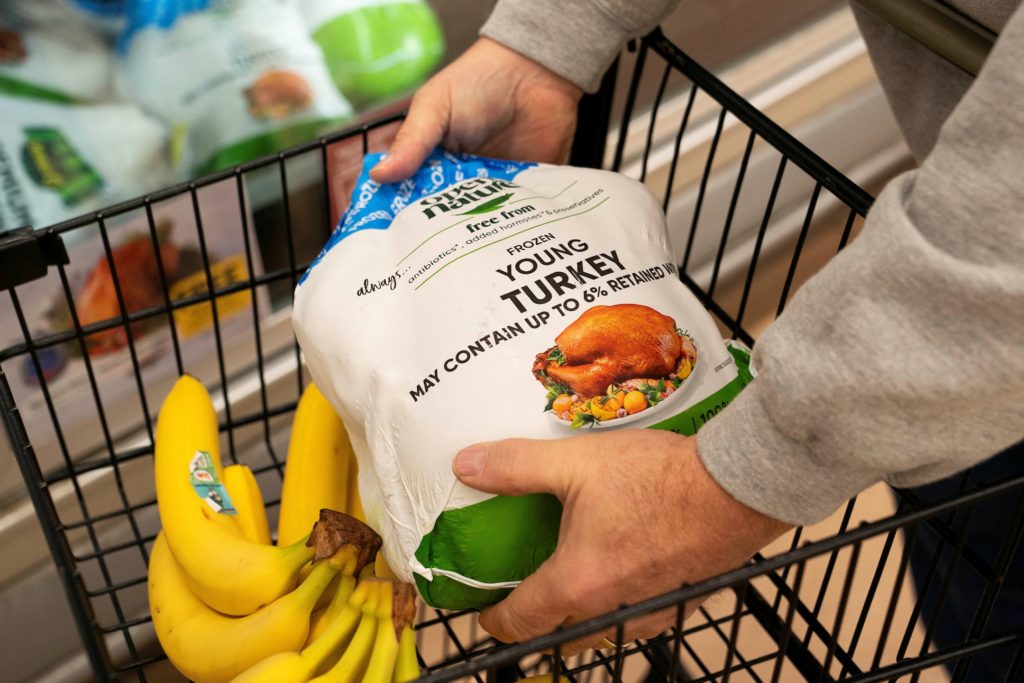
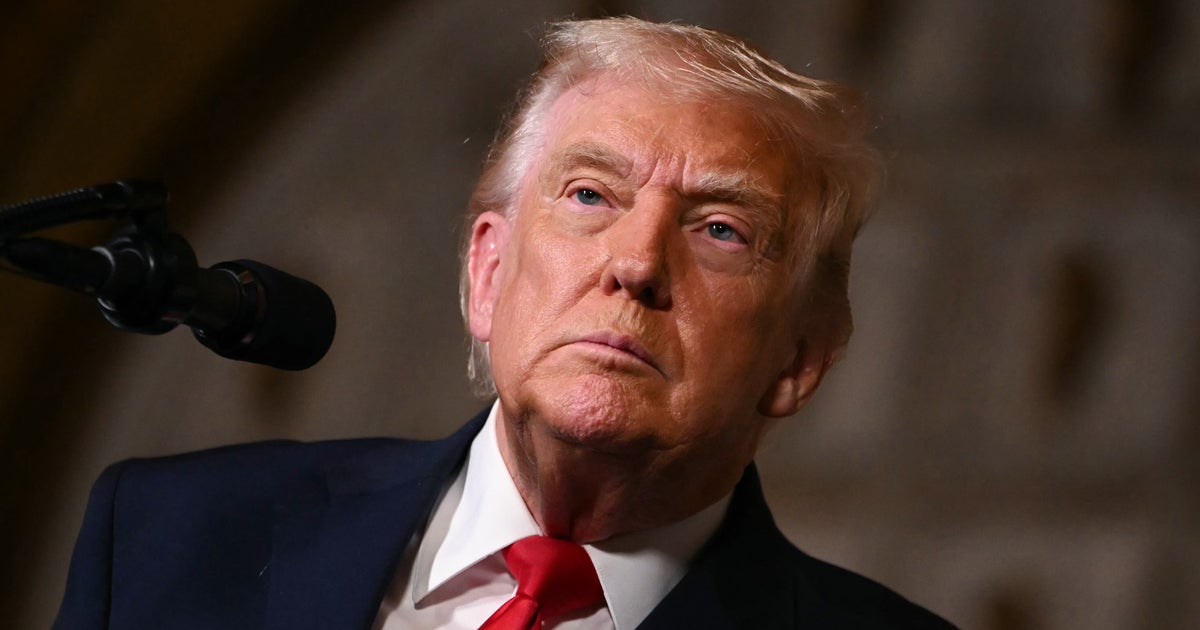
Consumers' assessment of their current economic situation significantly dropped, reflecting increased worries about high prices, inflation, and the impact of President Trump's tariffs on the economy.
Job availability perceptions decreased, with the unemployment rate rising to 4.6%, highest since 2021, and job creation slowing significantly to 35,000 per month.
The U.S. economy saw a net job loss over two months, with a 64,000 gain in November after a 105,000 loss in October, contributing to declining consumer sentiment.
Despite overall pessimism and a negative shift in family financial outlook, more consumers believe a recession is unlikely next year, though slower Q4 economic growth is anticipated.
Analysis
Center-leaning sources frame this story by consistently linking declining consumer confidence and labor market stagnation directly to President Trump's tariffs and high prices. They use evaluative language like "shaken" and "anxious," and structure the narrative to emphasize these causal connections, often presenting positive economic data only to immediately qualify it with negative expectations.