Fed's December Rate Cut Reveals Deepening Policy Divisions
The Federal Reserve cut rates in December amid weak hiring and persistent inflation, exposing significant internal disagreement and caution pending fresh employment and price data.
 CBS News
Fed meeting minutes reveal deep splits on December rate cut decision
 The Guardian
Minutes of latest Federal Reserve meeting reveal deep divide over interest rates
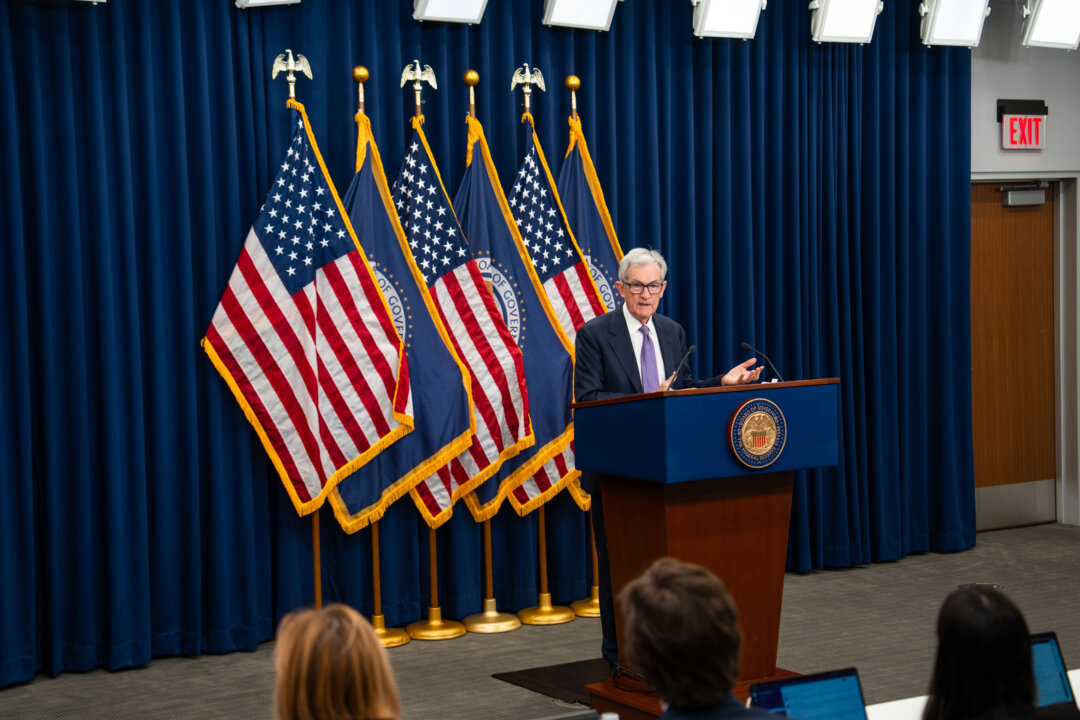
 Epoch Times
Federal Reserve Minutes Reflect Ongoing Divergence Over Interest Rates

 Boston Herald
December interest rate cut was a close call for some Fed officials, minutes show
 Newsmax
Fed Officials Showed Deep Divisions at Dec. Meeting
Overview
In December, the Federal Reserve cut its key rate by 25 basis points to 3.6%, the third reduction this year, decided by an unusual 9–3 committee vote.
Officials were sharply divided on policy paths: some prioritized weak hiring, others high inflation; Fed Governor Stephen Miran dissented, urging a 50-basis-point cut.
Six-week government shutdown delayed key economic data, forcing reliance on outdated numbers while unemployment rose to 4.6% and November inflation fell to 2.7%.
Meeting minutes show officials prefer to wait for December jobs and consumer-price reports due January 9 and 13 before deciding, expecting only one rate cut next year pending new data.
Rate cuts can reduce borrowing costs for mortgages, auto loans, and credit cards, though market forces also affect rates; investors broadly expect policymakers to hold in the January meeting.
Analysis
Center-leaning sources frame the story by emphasizing the internal divisions within the Federal Reserve, highlighting the unusual dissent in the vote. They use neutral language to present the facts, focusing on the economic data delays and the differing opinions on inflation versus employment threats. This balanced approach underscores the complexity of the decision-making process without favoring a particular viewpoint.