Trump Administration Cuts Proposed Tariffs on Italian Pasta, Commerce Lowers Antidumping Rates
Commerce cut proposed antidumping duties on 13 Italian pasta producers, lowering potential combined tariffs and reducing price risks for U.S. consumers before March final determinations.




Overview
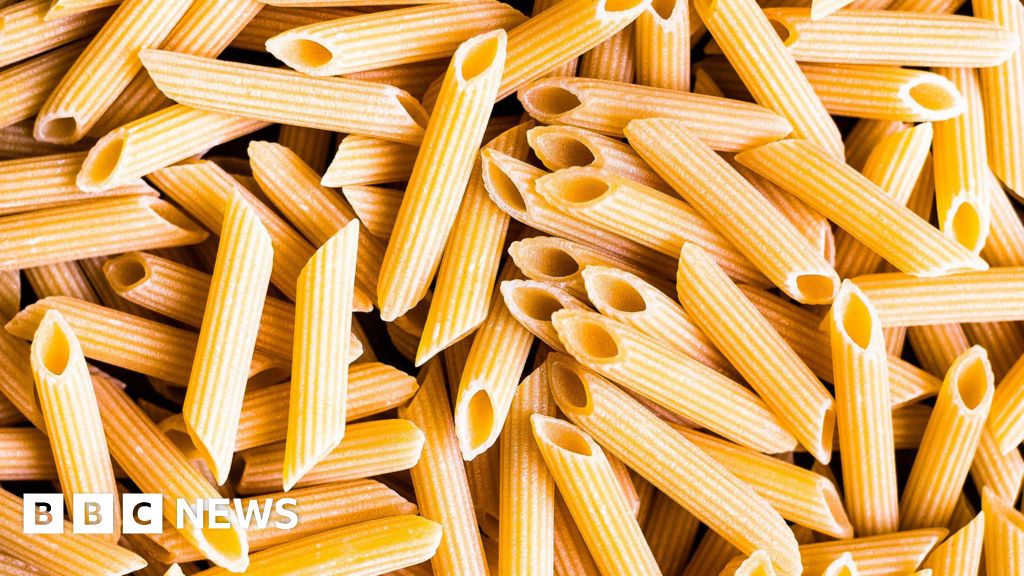
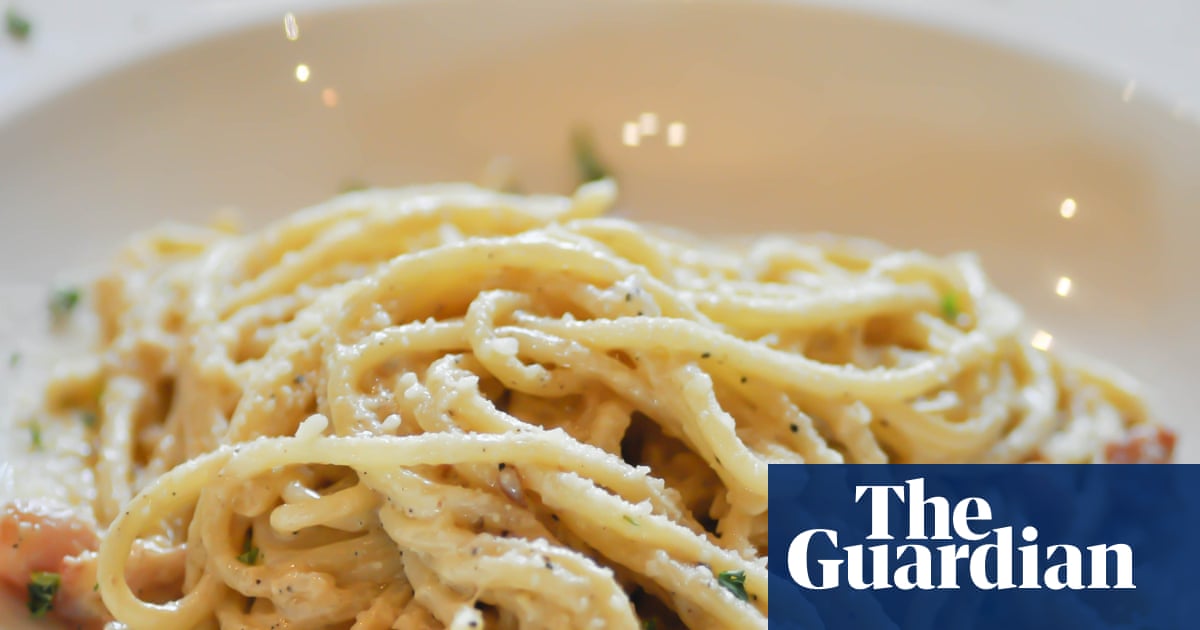
U.S. Department of Commerce trimmed proposed antidumping duty rates on 13 Italian pasta producers, impacting approximately 16% of Italy's pasta exports to the United States.
Revised preliminary rates dropped dramatically: La Molisana to 2.26%, Garofalo to 13.98%, and roughly 9% for 11 other named firms from previously proposed highs near 92%.
An existing 15% EU tariff imposed under President Trump had risked pushing combined tariffs over 100% under initial proposals; recent cuts reduce that potential burden.
Commerce will issue final determinations in March, with any confirmed duties effective after March 12; the agency plans consultations with stakeholders before finalizing.
Italy's foreign ministry and Reuters disclosed revised rates; cuts are expected to limit economic harm to Italian producers and curb potential U.S. price spikes.
Analysis
Center-leaning sources frame the story by emphasizing the diplomatic and economic implications of the tariff rollback. Language choices like "mamma mia" and "arrivederci" add a light-hearted tone, while the focus on diplomatic efforts by Italian officials highlights international relations. The structural choice to mention consumer impact and political dynamics suggests a narrative of economic pragmatism and international cooperation.