U.S. Seizure of Maduro Intensifies Confrontation with Caracas, Sparks Global Criticism
The U.S. seized Venezuelan leader Nicolás Maduro in a disputed operation, triggering international criticism, prosecution in New York, and heightened U.S.-Latin America geopolitical tensions.
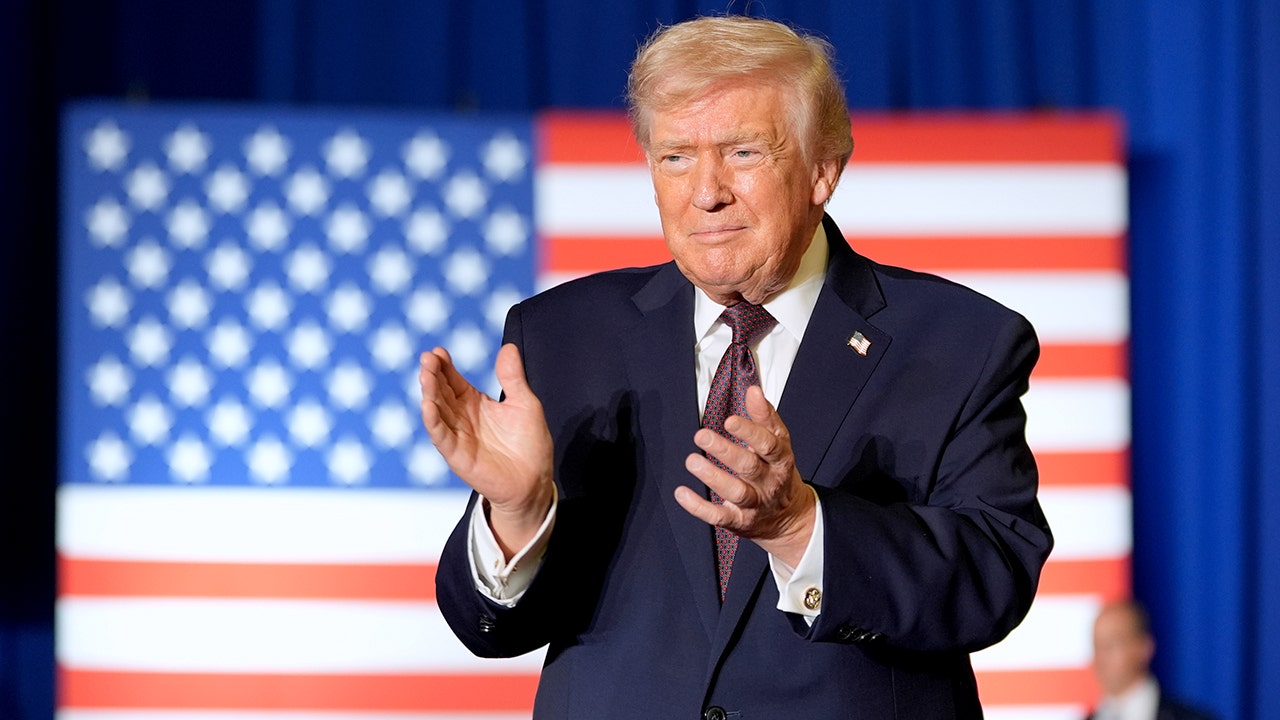
 FOX News
SCHOEN, GREEN: We back Trump on Maduro — and urge a better plan to govern Venezuela

 NBC News
Maduro capture by U.S. divides region, thrilling Trump allies and threatening foes
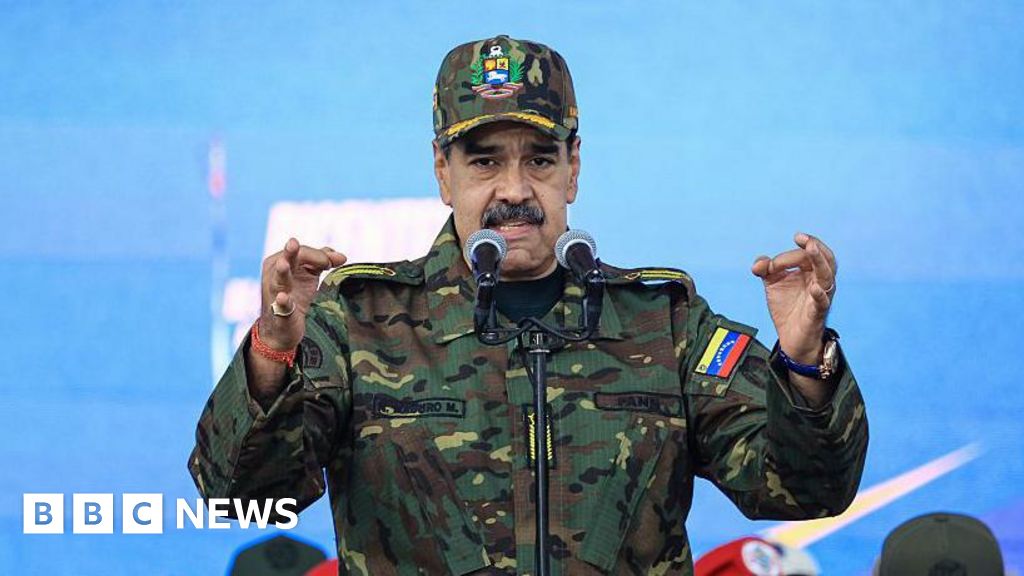
 BBC News
US sharply criticised by foes and friends over Maduro seizure
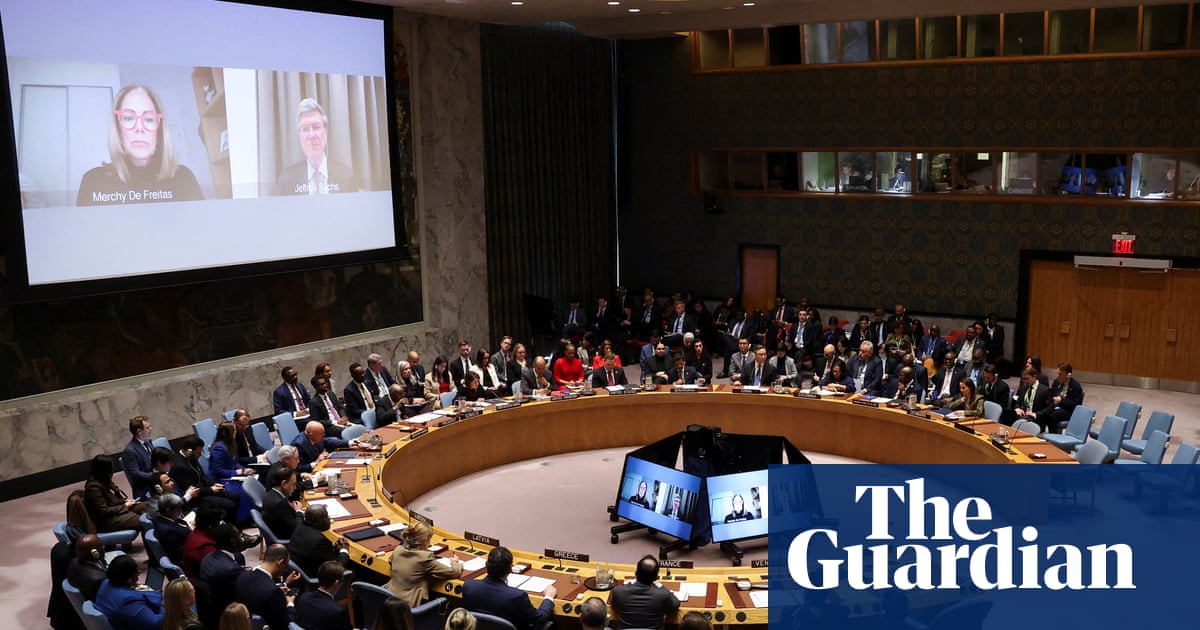
 The Guardian
US foes and allies denounce Trump’s ‘crime of aggression’ in Venezuela at UN meeting
Overview
U.S. forces seized Venezuelan leader Nicolás Maduro and his wife in a naval operation, flew them to New York; Maduro appeared in Manhattan denying charges of narco-terrorism.
The U.N. Security Council convened amid broad international opposition, warning the operation may breach international law and Venezuela’s sovereignty, raising diplomatic and legal concerns.
President Trump has escalated pressure—renaming the Gulf of Mexico, targeting traffickers, blocking Venezuelan oil, and using tariffs, sanctions, and force to influence Latin American policies.
Regional dynamics shifted: South American right-wing leaders publicly backed Trump after Maduro’s ouster; Trump rewards loyal leaders and punishes dissenters; Bukele’s silence contrasts with El Salvador’s history.
Analysts note historical parallels: U.S. interventions in Latin America often sought corporate protection and anti-Soviet goals, from early 1900s occupations to 1970s support for military dictatorships.
Analysis
Center-leaning sources frame the US seizure of Maduro as a complex diplomatic issue, emphasizing the breach of international law and the UN Charter. They highlight European allies' criticism, particularly France and Denmark, while noting the cautious stance of the UK and Greece. The narrative underscores the tension between upholding international norms and maintaining strategic alliances, reflecting a nuanced editorial approach.