GM Takes $6 Billion Hit as EV Plans Stall After U.S. Policy Changes
General Motors booked $6 billion in charges after U.S. cuts to EV tax incentives and looser emissions rules, prompting reevaluation of its electric-vehicle conversion timeline.

 Boston Herald
Ticker: GM hit with $6 billion in charges as EV incentives cut; Lyft and Uber drivers protest Waymo robotaxis
 Boston Herald
GM hit with $6 billion in charges as EV incentives cut and emissions standards fade
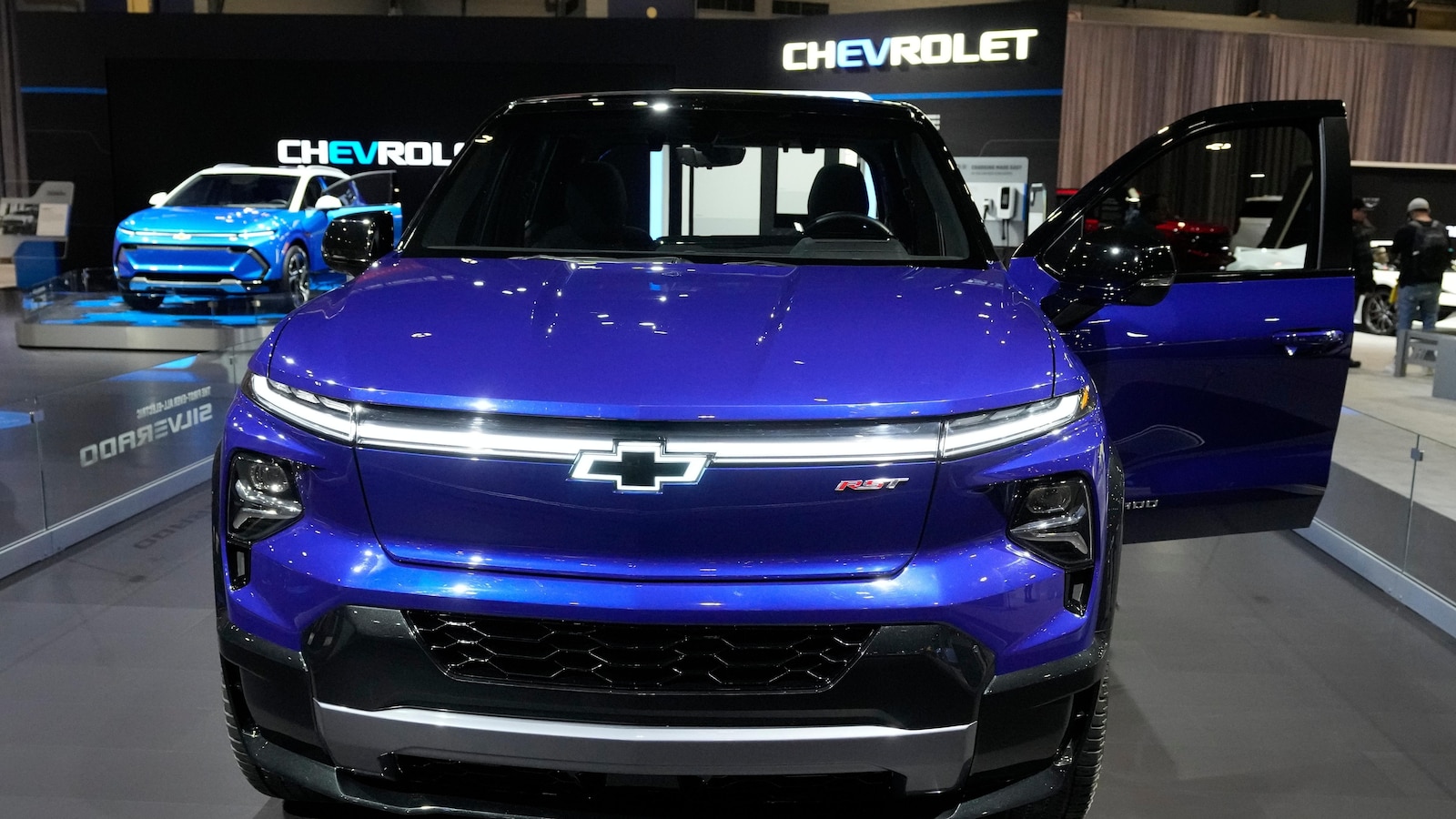
 ABC News
GM hit with $6 billion in charges as EV incentives cut and emissions standards fade

 ARS Technica
General Motors writes down $6 billion as domestic EV sales plans change
Overview
General Motors booked about $6 billion in charges—including a roughly $1.8 billion noncash impairment and roughly $4.2 billion in settlements—after an earlier $1.6 billion hit that adjusted conversion timelines.
U.S. policy shifts—clean vehicle tax credit ending in September and eased emissions standards—reduced EV incentives and sales, eroding prior demand assumptions; credit had offered $7,500 new, up to $4,000 used.
GM committed $27 billion to electric and autonomous vehicles in 2020—a 35% boost over prior plans—and still targets over half its North American and Chinese factories producing EVs by 2030.
GM plans to invest an additional $750 million in EV charging networks by 2025, aiming for most vehicles electric by 2035 and full carbon neutrality by 2040.
China leads global EV production—BYD made 2.26 million cars last year and built extensive charging networks—while U.S. policy swings between administrations have disrupted GM's EV rollout plans.
Analysis
Center-leaning sources frame the story by emphasizing the financial impact on GM due to policy changes, using terms like "hit" and "charges" to highlight the severity. They prioritize perspectives on economic repercussions over environmental goals, suggesting a narrative of economic caution. The structural choice to compare GM's situation with Ford's amplifies the theme of industry-wide challenges.