Rio Tinto and Glencore in merger talks to form world's largest miner amid rising demand for energy-transition and AI minerals
Rio Tinto and Glencore are discussing a merger to create the world's largest miner, boosting copper, nickel and battery-material supply for energy transition and AI.
 The Guardian
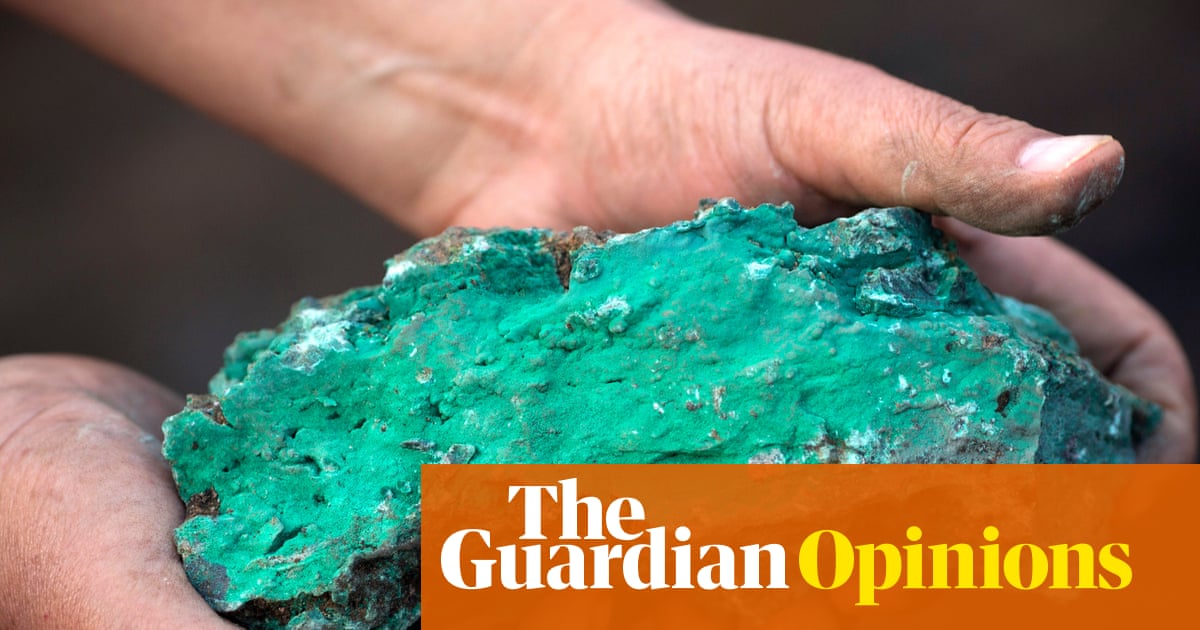
Glencore and Rio Tinto are at it again – and it seems the markets smell action
 Epoch Times
Rio Tinto in Talks to Buy Glencore in Potential Mega-Merger
Epoch TimesRio Tinto in Talks to Buy Glencore in Potential Mega-Merger
 Semafor
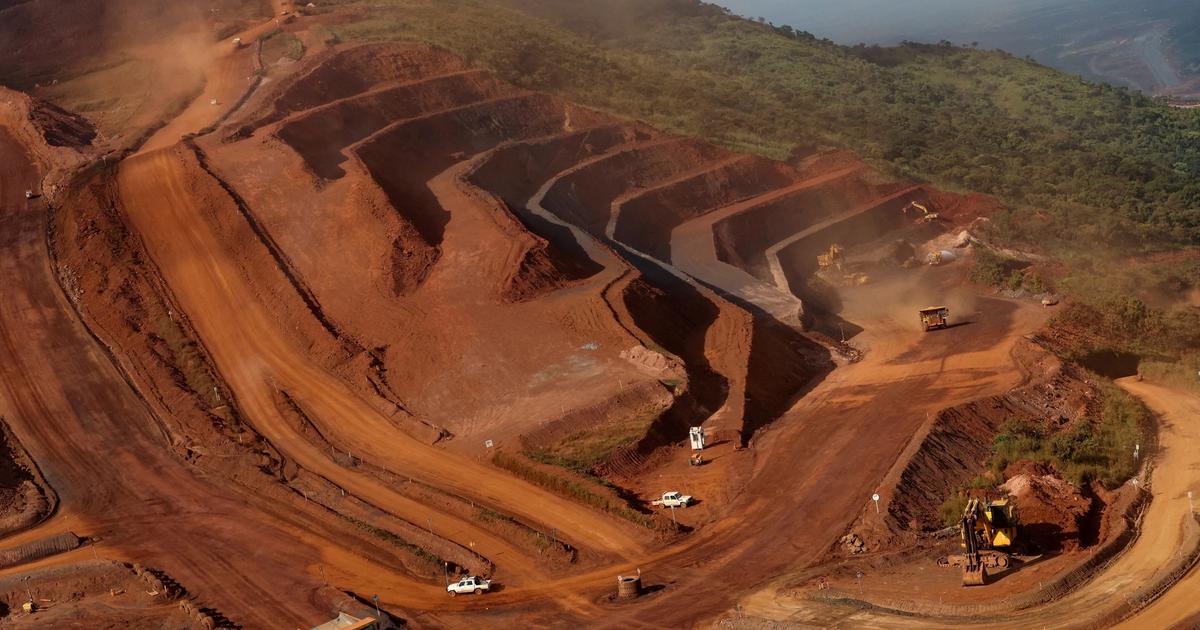
Mining giants Glencore, Rio Tinto revive merger talks
Overview
Who and what: Rio Tinto and Glencore, two major miners, are reportedly negotiating a merger that could create the world's largest mining company by production, assets and global reach.
Why: Talks are driven by rising demand for copper, nickel and battery materials needed for the energy transition and AI infrastructure, aiming to scale production and secure supply chains.
Where and when: Negotiations are international; companies have not disclosed timing, regulatory review schedules, or potential headquarters arrangements; any formal announcement depends on deal progress.
How it would work: A combination could pool mining portfolios, processing capacity and global logistics, increasing scale for low-carbon technologies and reshaping commodity markets and pricing dynamics.
Risks and next steps: Deal faces regulatory scrutiny, antitrust concerns, integration challenges and stakeholder responses; further talks, due diligence and public disclosures expected if negotiations progress.
Analysis
Center-leaning sources frame the Glencore-Rio Tinto merger talks as a strategic response to global market pressures. They emphasize the necessity of scaling up to meet the surging demand for critical minerals, using terms like "revived momentum" and "pressure on mining giants." The narrative highlights the competitive landscape, focusing on the strategic implications rather than potential environmental or social impacts.