Trump Orders Protection of Venezuelan Oil Revenues, Seeks U.S. Investment After Maduro Capture
President Trump barred court or creditor seizure of Venezuelan oil revenues in U.S. Treasury, citing emergency powers, while courting $100 billion in U.S. oil investment.
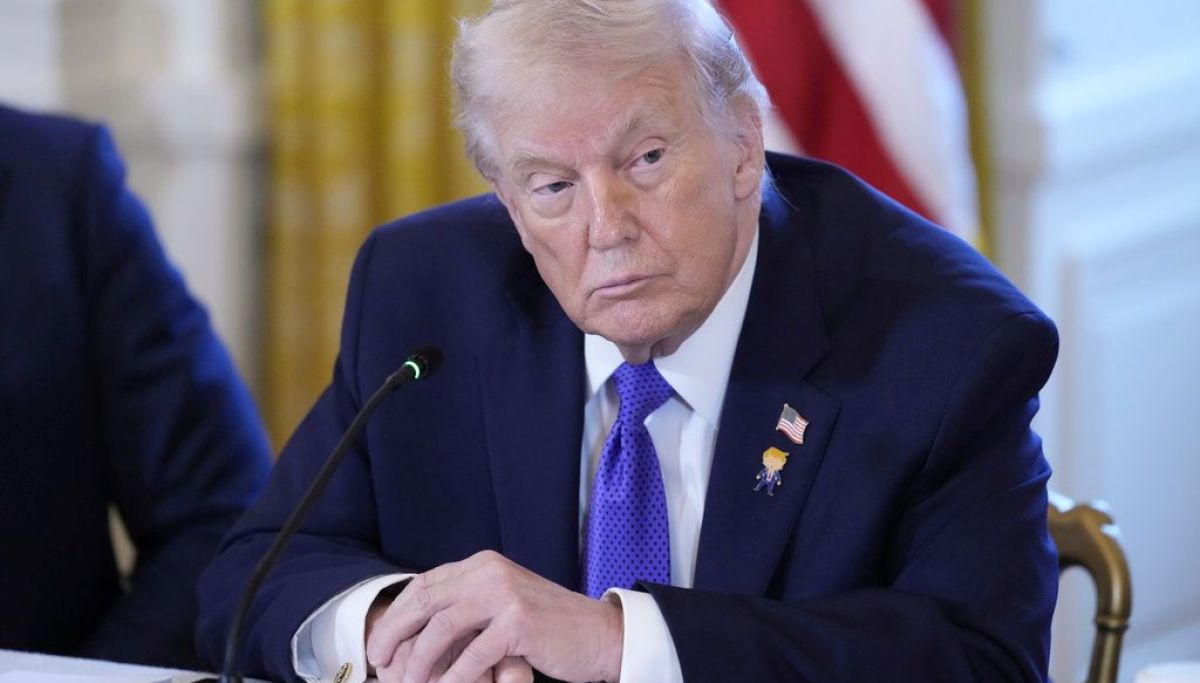
 Washington Examiner
Trump signs order blocking courts from seizing Venezuelan oil money

 Joe.My.God.
Trump Signs Order Shielding Venezuelan Oil Revenue
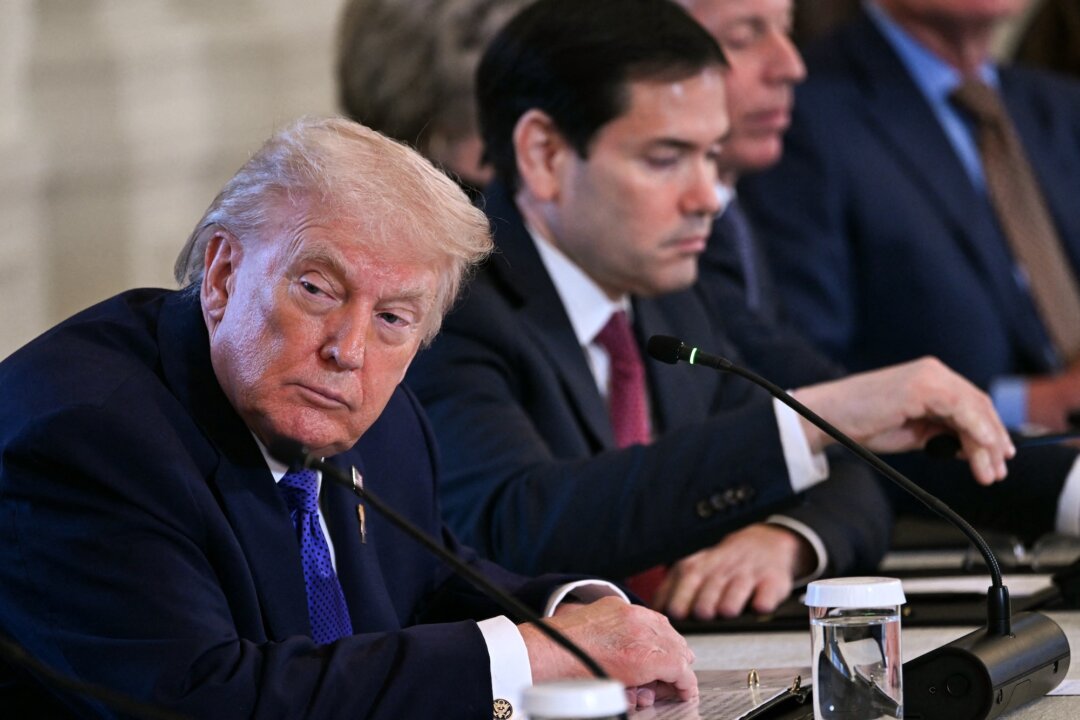
 Epoch Times
Trump Declares National Emergency to Shield Venezuelan Oil Revenues Held in US Custody

 Fortune
Trump order says Venezuelan oil money is being held by US for 'governmental and diplomatic purposes'
Overview
President Trump signed an executive order blocking courts and creditors from seizing Venezuelan oil revenues held in U.S. Treasury accounts, invoking the 1977 IEEPA and 1976 National Emergencies Act.
The order followed the U.S. capture of Nicolás Maduro in Caracas and accompanies plans to import Venezuelan oil under interim leaders' agreement, favoring U.S. refineries able to process it.
Multiple companies hold longstanding claims over expropriated Venezuelan assets; Exxon Mobil and ConocoPhillips left twenty years ago and are owed billions, though the order names no specific firms.
Trump met oil executives, urged roughly $100 billion in investments to rebuild Venezuela's energy sector, and signed the order as part of a U.S.-led reconstruction strategy.
The order's vague language and lack of specific company references leaves unresolved disputes; executives warned that instability, prior nationalizations, and sanctions may deter private rebuilding efforts.
Analysis
Center-leaning sources frame the story by highlighting the lack of clarity and potential legal issues surrounding Trump's plan. They use terms like "murky" and "doesn't pass the smell test" to question the feasibility and legality of the oil deal. The emphasis on the absence of specifics and the unconventional handling of proceeds suggests skepticism about the administration's intentions and capabilities.