House Lawmakers Grill Health Insurer CEOs Over 2026 Premium Hikes
House committees on Jan. 22, 2025 pressed five insurer CEOs as premiums surged and UnitedHealth pledged an ACA profit rebate.

 CNN
CNNHealth insurance is even less affordable this year – here’s why | Business
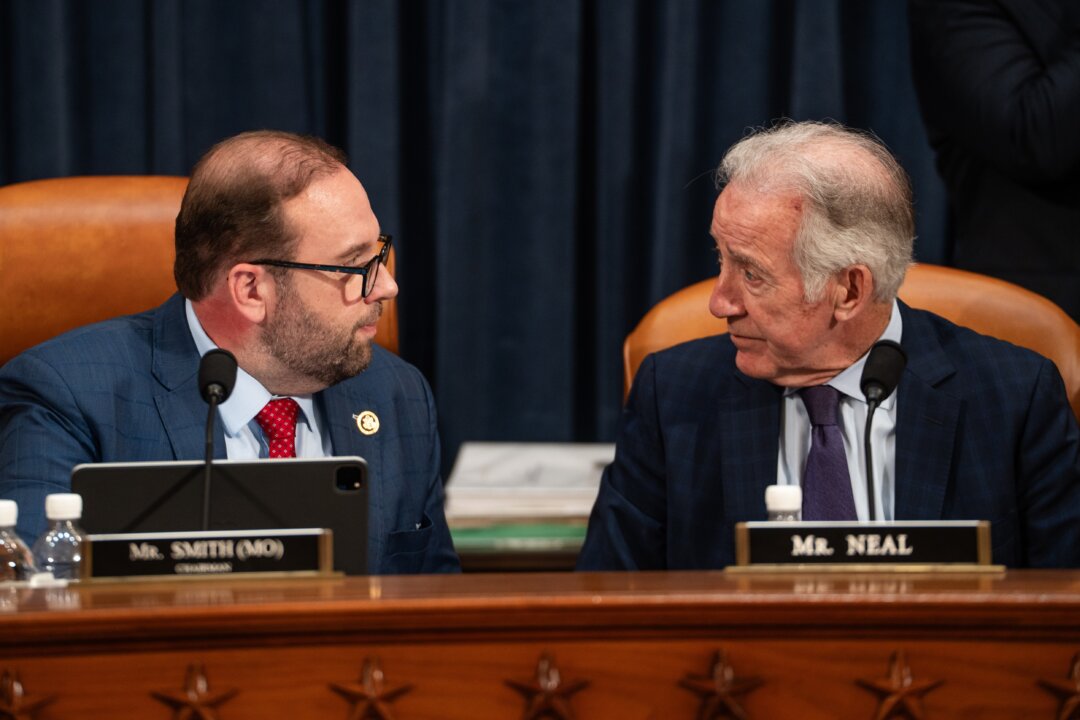
 Epoch Times
Lawmakers Question Health Insurance CEOs on Cost, Business Practices
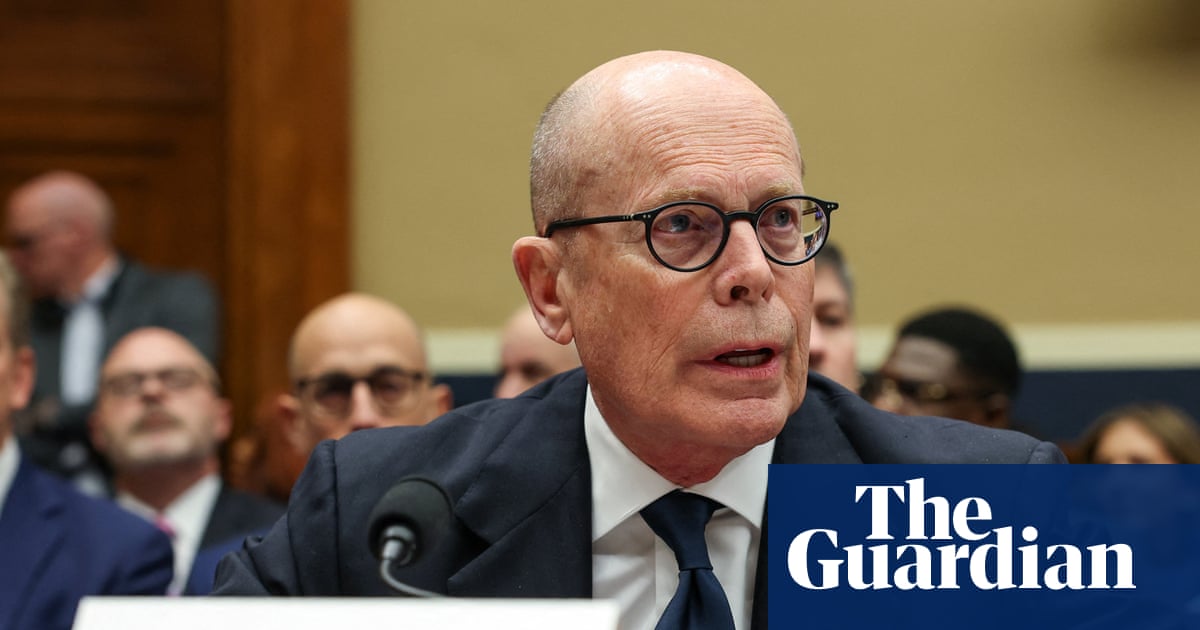
 The Guardian
US health insurance executives testify before Congress about increasing costs of healthcare
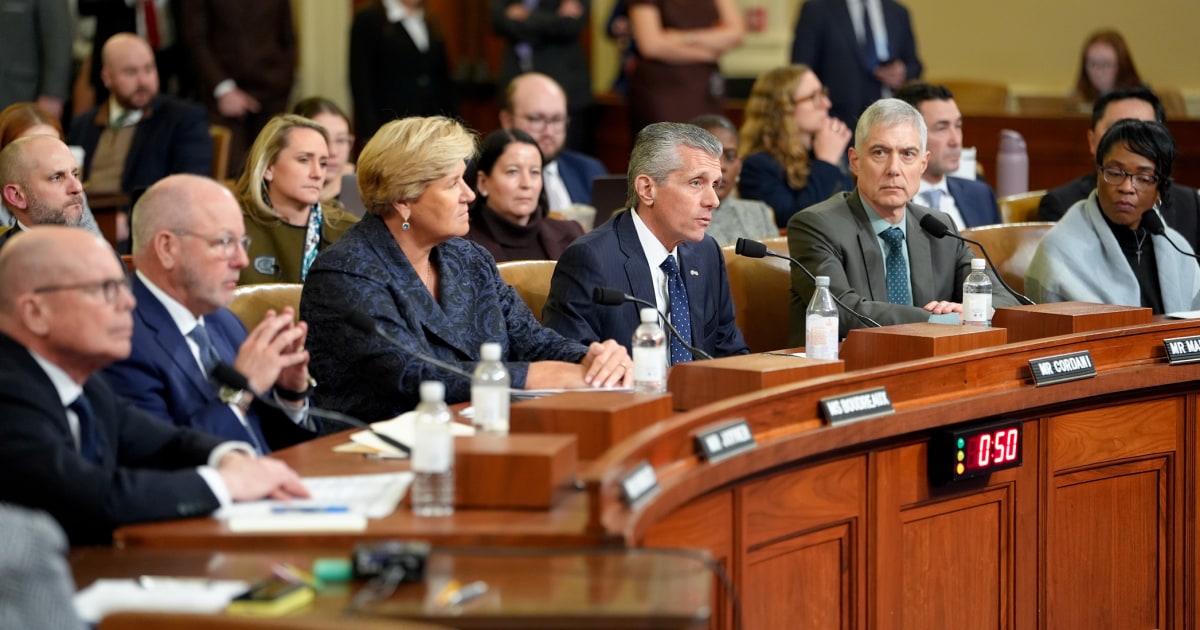
 NBC News
Health insurance CEOs grilled on high costs of care in back-to-back House hearings
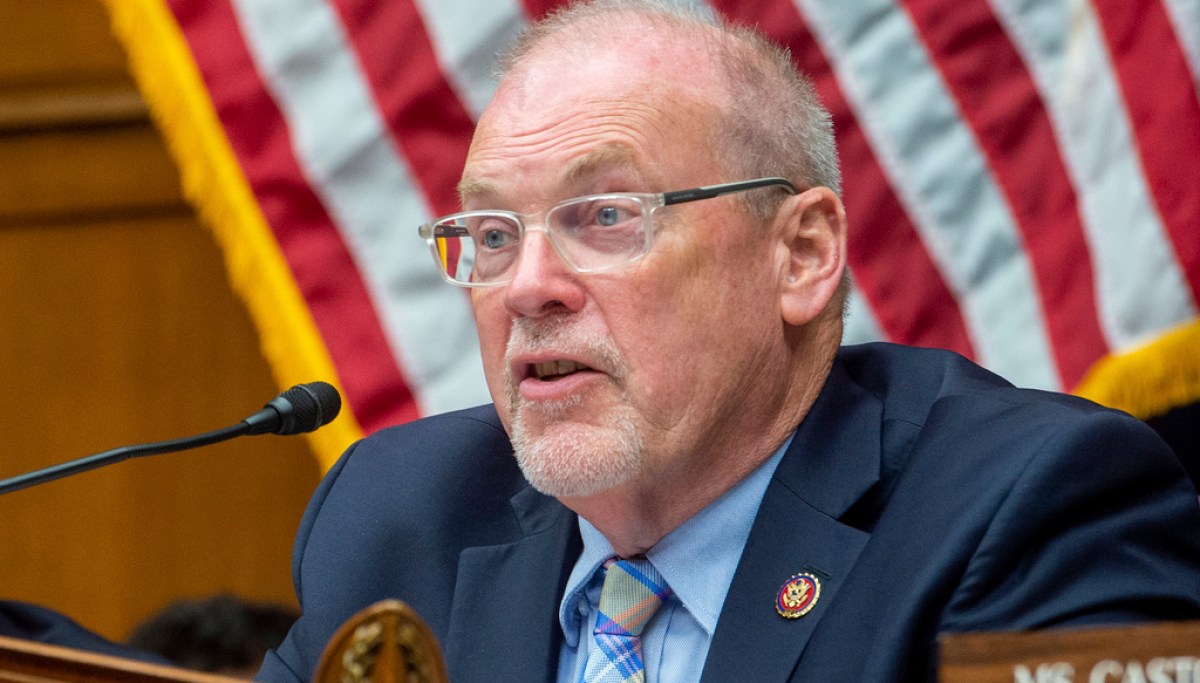
 Washington Examiner
Health insurance executives grilled by House GOP and Democrats
Overview
House Energy and Commerce and Ways and Means committees on Jan. 22, 2025 questioned executives from UnitedHealth Group, CVS Health, Cigna, Elevance Health and Ascendiun about sharp 2026 premium increases, committee statements show.
The hearings follow KFF data showing benchmark Affordable Care Act premiums rose 26% on average for 2026 and KFF projecting enrollee payments could jump 114% after enhanced subsidies expired, deepening immediate affordability concerns, according to KFF.
UnitedHealth CEO Stephen Hemsley said UnitedHealth will rebate profits from its ACA plans in 2026, while Cigna CEO David Cordani and other witnesses blamed rising hospital prices and expensive drugs, company testimony showed.
Total U.S. health spending rose 7.2% in 2024 to more than $5.3 trillion, employer family premiums reached nearly $27,000 in 2025 and the Medicare Part B standard monthly premium rose to $202.90, CMS and KFF reported.
Committee Chairman Brett Guthrie and Ways and Means Chairman Jason Smith said the hearings will continue as lawmakers weigh extending enhanced ACA subsidies or new legislation, a dispute marked by sharp partisan disagreement, officials said.
Analysis
Center-leaning sources frame insurers as accountable actors harming consumers by foregrounding premium “skyrockets,” “record profits,” CEO pay and market concentration, and including a denied-coverage patient anecdote. They still present CEOs’ defenses and partisan blame, but editorial emphasis favors consumer impact and regulatory scrutiny over insurers’ explanations.