South Korean Supreme Court Rules on 'Baby Shark' Copyright Dispute
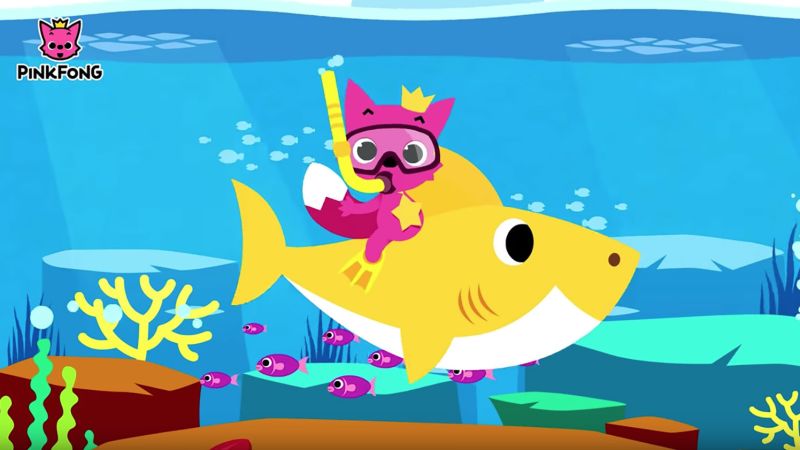
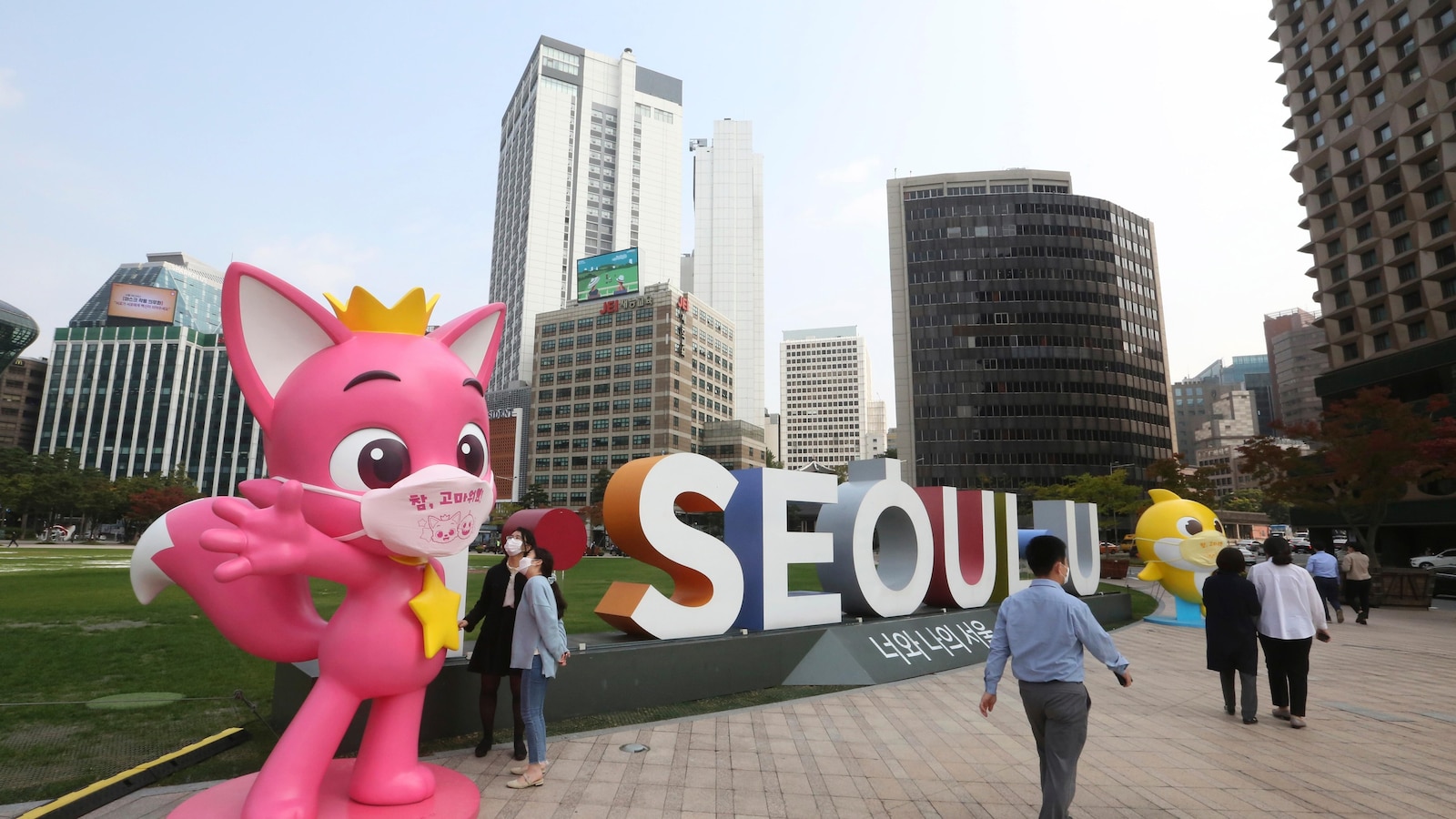
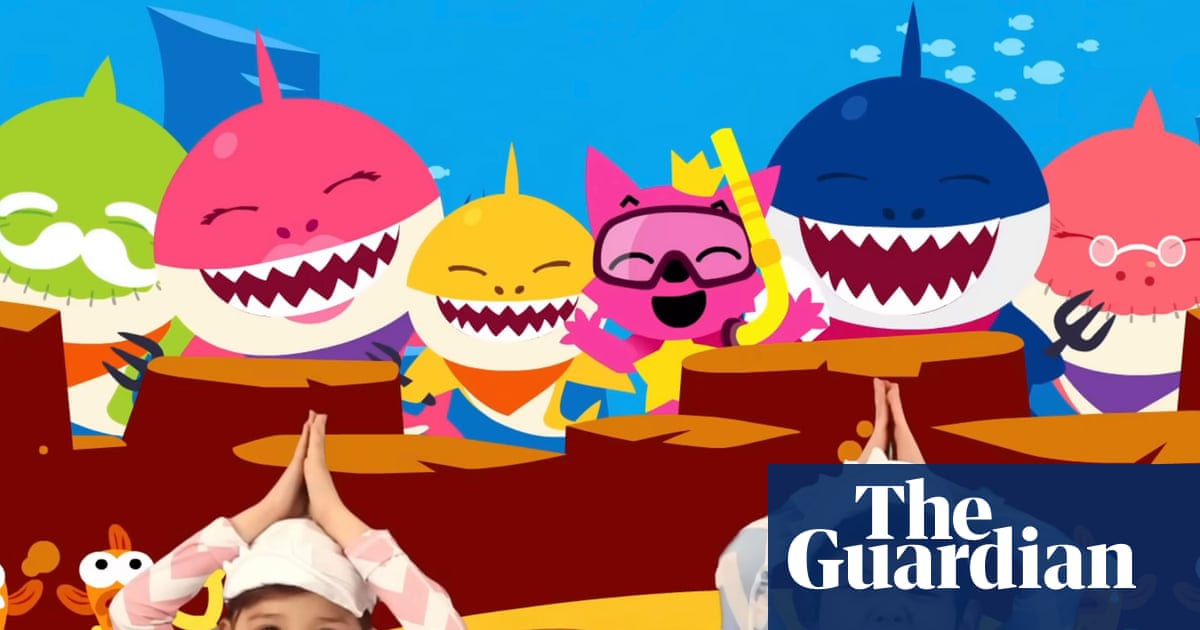
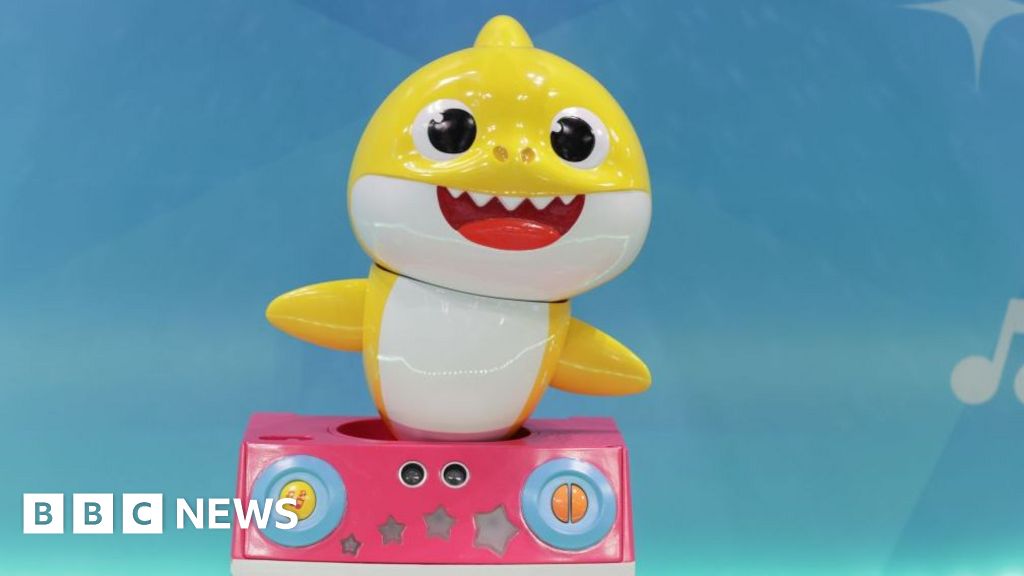
South Korea's Supreme Court dismissed a US composer's copyright claim against Pinkfong's 'Baby Shark Dance,' ruling the global hit is based on a traditional public domain chant.
 CNN
CNN‘Baby Shark’ copyright battle ends with victory for Pinkfong in South Korea’s top court
 ABC News
South Korean Supreme Court dismisses US composer's 'Baby Shark' copyright claim
 The Guardian
Baby Shark song: South Korean court rejects US composer’s claim catchy tune was plagiarised
 BBC News
Baby Shark: South Korean denies plagiarism claim by US composer
Overview
Pinkfong's 'Baby Shark Dance,' released in 2015, became a global phenomenon with over 16 billion YouTube views and reached No. 32 on the Billboard Hot 100.
US composer Johnny Only, also known as Wright, released his version of 'Baby Shark' in 2011, four years before Pinkfong's widely popular rendition.
Wright initiated a copyright claim against Pinkfong, alleging infringement, which was subsequently addressed by the South Korean Supreme Court.
The South Korean Supreme Court dismissed Wright's claim, ruling Pinkfong's 'Baby Shark' is based on a traditional public domain singalong chant, not an original copyrighted work.
The court determined Wright's 'Baby Shark' version lacked sufficient originality from the traditional melody for copyright, while Pinkfong's version showed distinct differences.
Analysis
Center-leaning sources cover the 'Baby Shark' copyright dismissal neutrally, focusing on factual reporting of the South Korean Supreme Court's decision. They present the court's reasoning, Pinkfong's statement, and the plaintiff's attorney's reaction without loaded language or selective emphasis, providing a balanced account of the legal outcome and its context.