England's Resident Doctors Begin Five-Day Strike Over Pay Dispute
Up to 50,000 resident doctors in England began a five-day strike over pay restoration, demanding a 29% rise after real-term cuts, impacting health services.
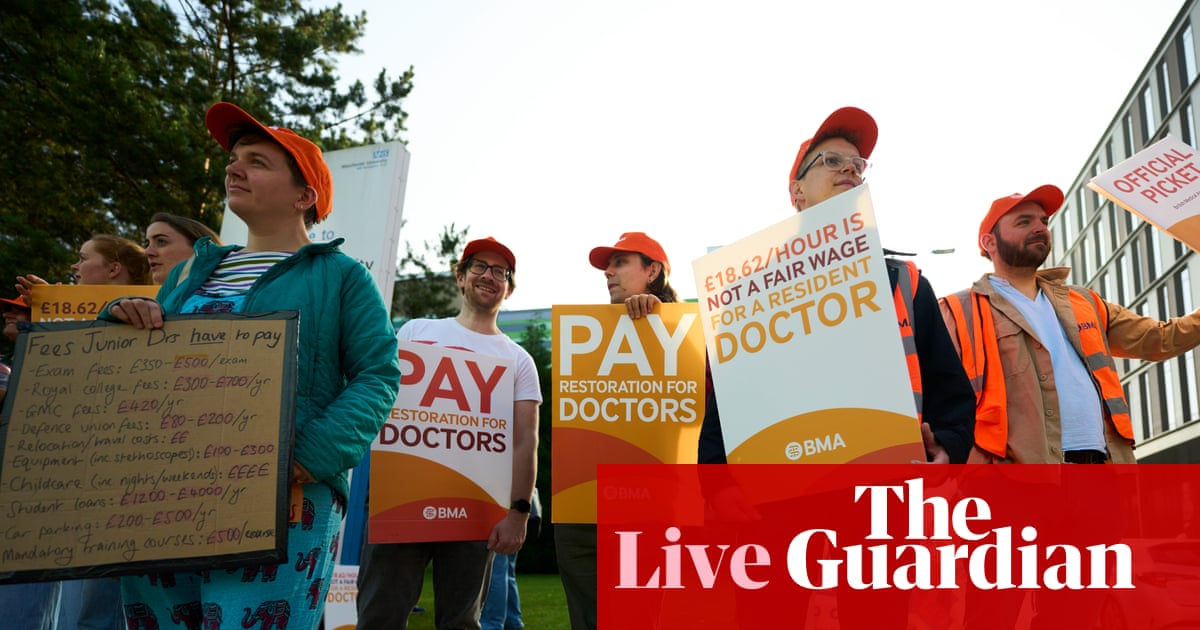
 The Guardian
Resident doctors begin five days of strikes in England over pay – UK politics live
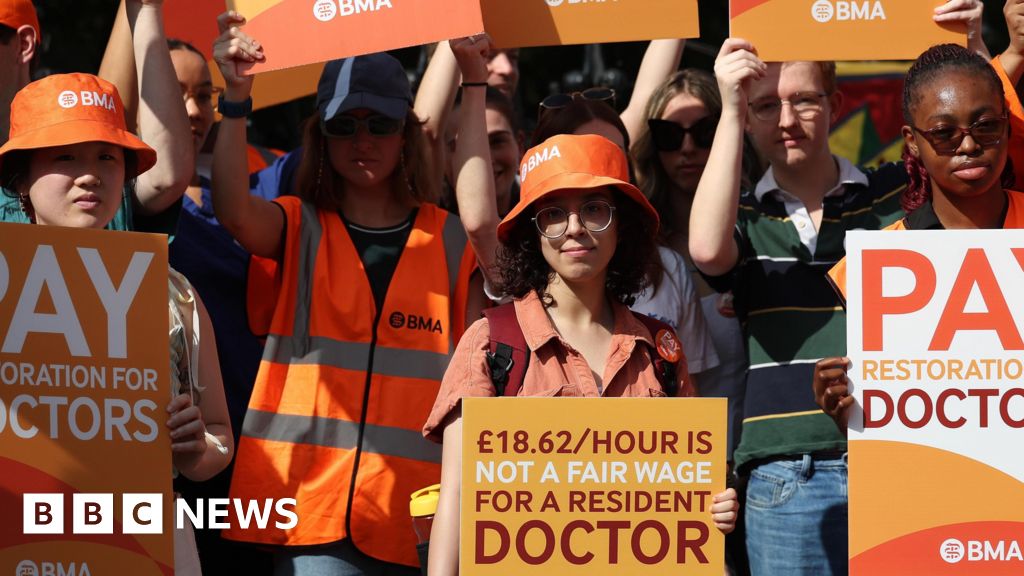
 BBC News
Doctors strike: Streeting vows to keep disruption in England to a minimum
 Associated Press
Doctors in England start a 5-day strike over pay. The government says it will hurt patients
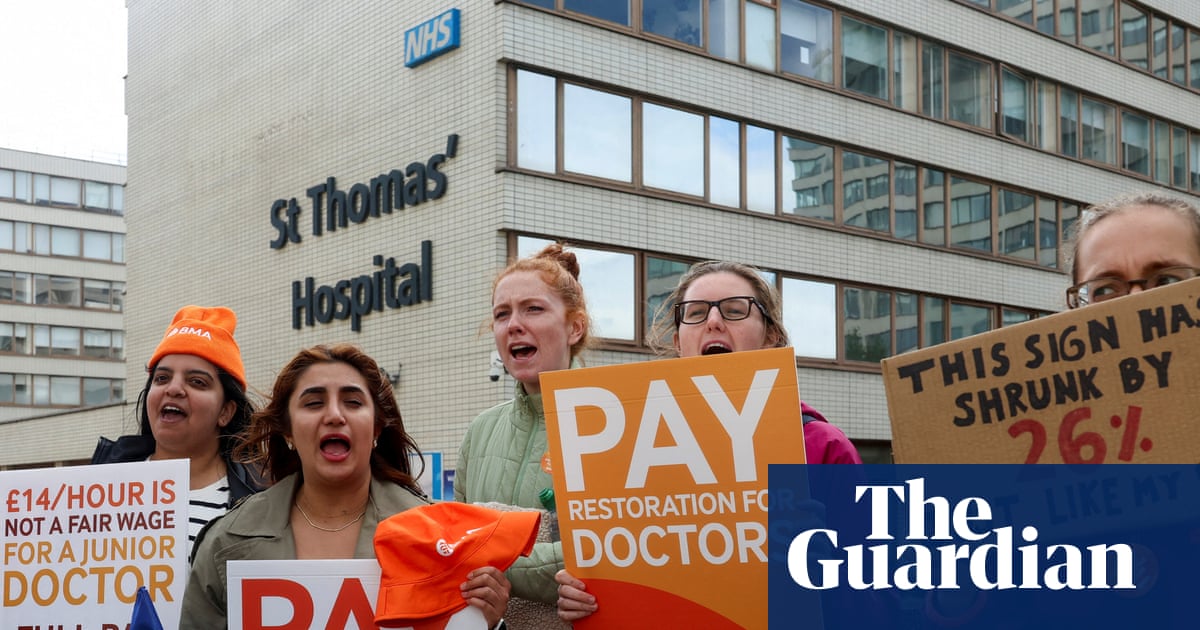 The Guardian
Resident doctors in England go on strike over pay restoration
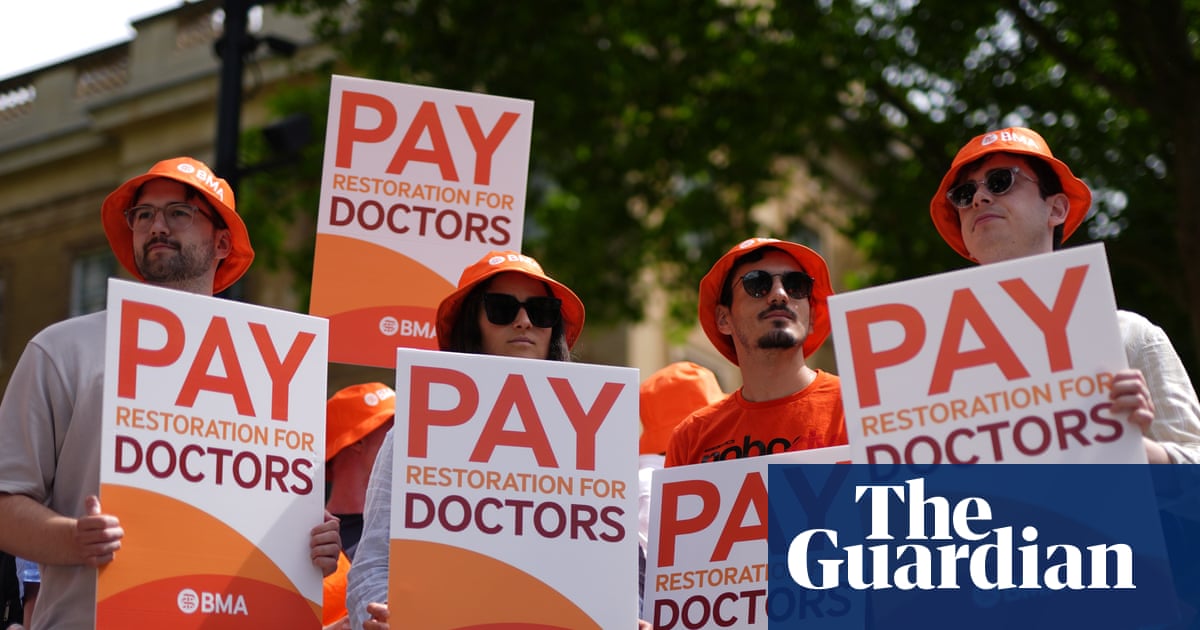 The Guardian
Friday briefing: Can the NHS and Labour survive another strike by resident doctors?
Overview
Up to 50,000 resident doctors in England commenced a five-day strike at 7am, set to conclude on Wednesday 30 July, primarily over demands for pay restoration.
The British Medical Association (BMA) and doctors assert that resident doctors have faced substantial real-term pay cuts since 2008-09, prompting their demand for a 29% pay rise.
Previous resident doctor strikes have led to the cancellation of over one million appointments and treatments, costing the health service an estimated £1.5 billion.
Prime Minister Sir Keir Starmer urged doctors to reconsider, warning of damaging consequences, while Health Secretary West Streeting stated the strike undermines the trade union movement.
Despite the strike, GP surgeries, urgent care, A&E, and NHS 111 services remain operational, and the public is encouraged to continue seeking necessary NHS care.
Analysis
Center-leaning sources cover the doctors' strike with a balanced approach, presenting both the doctors' demands for pay restoration and the government's counter-arguments and concerns about patient impact. They provide factual context on the NHS's challenges and past industrial actions, allowing readers to form their own conclusions without overt editorial bias.