First U.S. Human Case of New World Screwworm Confirmed in Maryland Traveler
The CDC confirmed the first U.S. human case of New World screwworm in a Maryland resident who traveled to El Salvador. Officials state the public health risk is very low.

 Western Journal
Third World, Flesh-Eating Parasite Confirmed in US, Arrived from Central America in Human Host
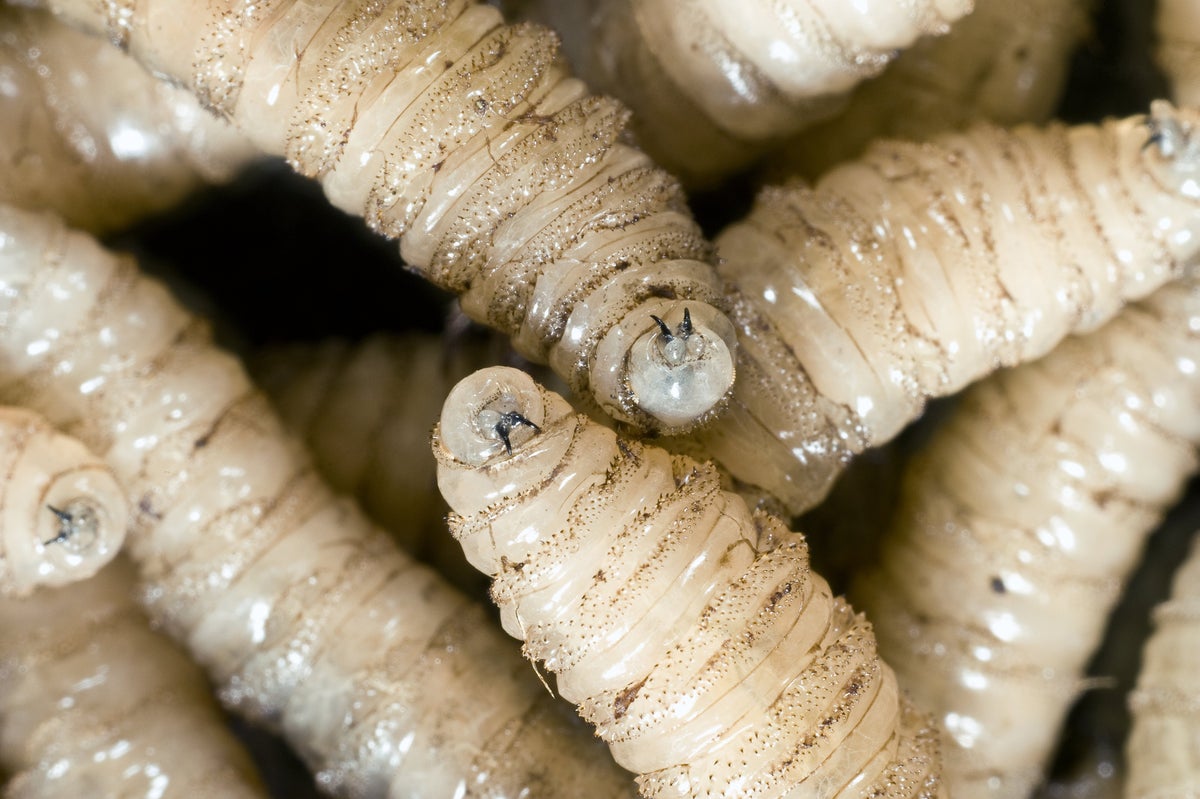
 Scientific American
Human Case of Flesh-Eating Screwworms Detected In U.S.
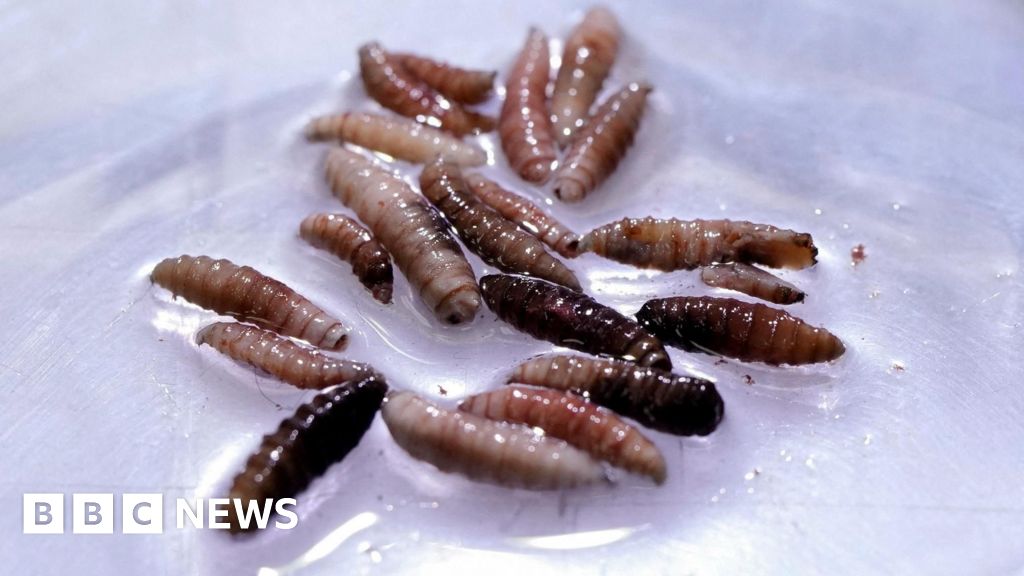
 BBC News
First human case of New World screwworm parasite confirmed in US
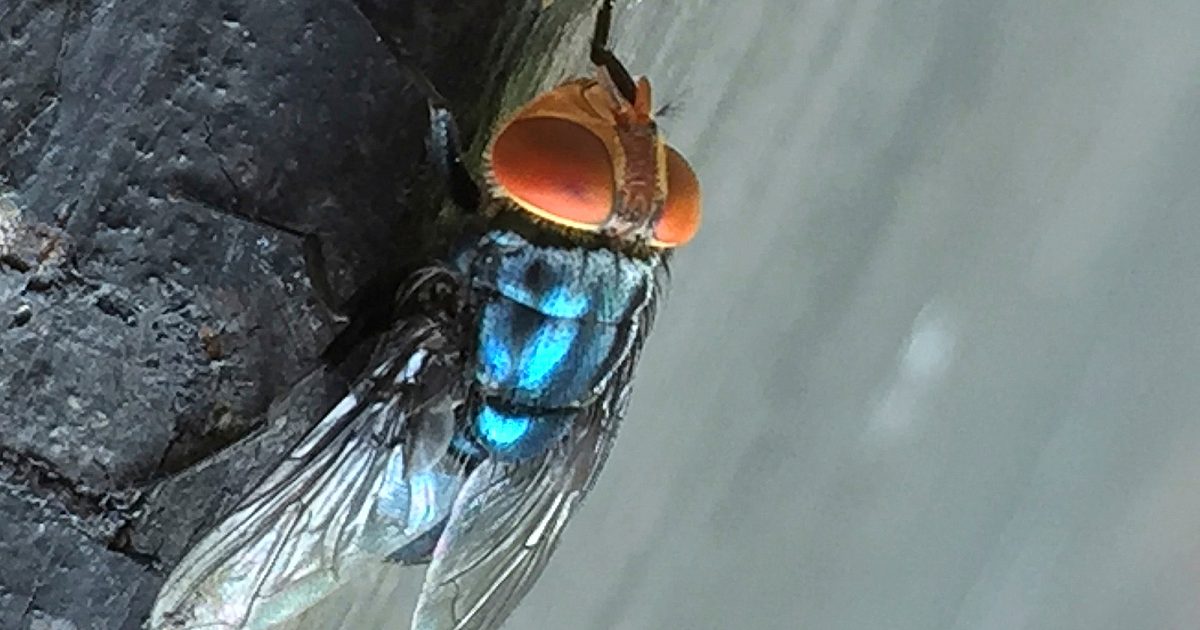
 World News Group
Health officials confirm first human screwworm case in U.S.
Overview
On August 4, the CDC confirmed the first U.S. human case of New World screwworm in a Maryland resident who recently traveled to El Salvador, marking a significant health event.
New World screwworms are parasitic flies that lay eggs in open wounds of warm-blooded animals, with larvae feeding on living tissue, causing severe harm and potential fatalities.
U.S. health officials emphasize that this human case poses a very low public health risk because the parasitic fly is not transmitted person-to-person, limiting widespread concern.
While rare in humans, these screwworms primarily infest livestock, pets, and wildlife, potentially causing severe, even fatal, harm and enlarging wounds, posing a threat to animal health.
The USDA announced a plan to combat screwworms in Texas, including a sterile fly facility, due to a potential $1.8 billion economic impact on livestock, highlighting agricultural concerns.
Analysis
Center-leaning sources frame this story by emphasizing the horrifying and gruesome aspects of screwworm infections. They use vivid, emotive language to describe the parasites and their effects, and highlight the "invasion" threat at the US-Mexico border. Graphic examples of past human cases are detailed, collectively creating a narrative of alarm and disgust, despite acknowledging a low immediate public health risk.