Genetically Modified Pig Lung Successfully Transplanted into Brain-Dead Man, Functioning for Nine Days
A genetically modified pig lung was successfully transplanted into a brain-dead man, functioning for nine days, marking a significant milestone in xenotransplantation research and offering hope for organ shortages.



Overview
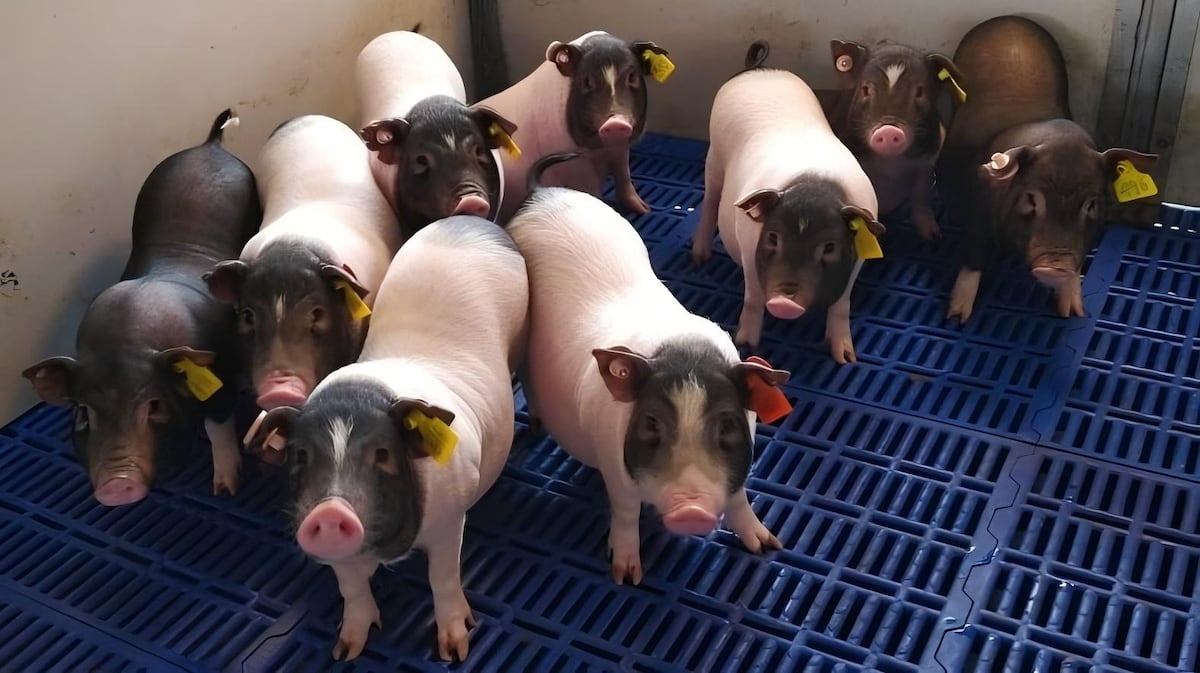
A genetically modified pig lung was successfully transplanted into a brain-dead human recipient, demonstrating the potential for cross-species organ transplantation.
The transplanted pig lung functioned effectively for nine days within the brain-dead man, providing crucial data on organ viability and performance in a human body.
This procedure represents a significant milestone in xenotransplantation research, pushing the boundaries of what is possible in addressing the critical shortage of human organs.
Advances in cloning, gene editing, and infection control technologies are enabling these breakthroughs, making pig organs more compatible and safer for human recipients.
Researchers are also exploring growing humanized organs in pigs or sheep, aiming to create an alternative and sustainable supply of organs for transplantation in the future.
Analysis
Analysis unavailable for this viewpoint.