Trump Administration Links Prenatal Tylenol to Autism, Prompts FDA Review Amidst Medical Disagreement
The Trump administration links prenatal acetaminophen use to autism, prompting FDA review and new initiatives, despite conflicting medical evidence and expert disagreement on a causal connection.
 CNN
CNNWhat pregnant people should know about acetaminophen

 The Guardian
Donald Trump signs order designating antifa as a domestic terror organization – US politics live

 The Atlantic
Trump Tells Pregnant Women to ‘Fight Like Hell’ Not to Take Tylenol

 Epoch Times
Health Officials Warn of Link Between Tylenol and Autism–What to Know
Overview
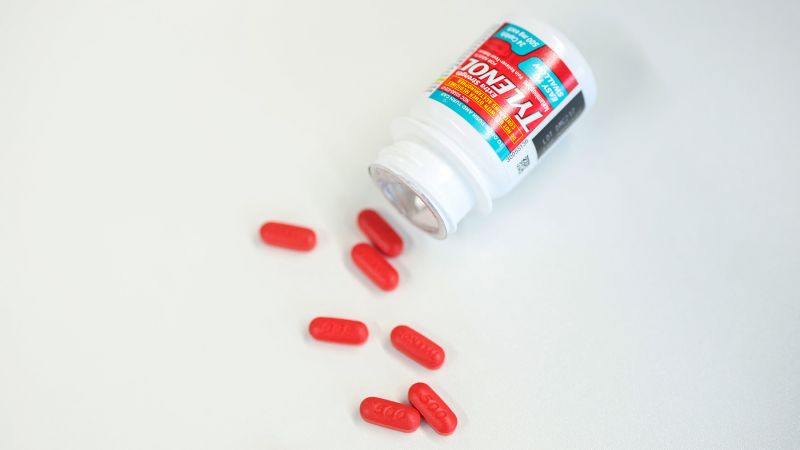
President Trump and Health Secretary Robert F. Kennedy Jr. announced findings linking prenatal acetaminophen (Tylenol) use to an increased risk of autism, urging caution for expectant mothers.
This stance contradicts widespread medical consensus and studies, including a 2024 Swedish study of over 2 million children, which found no definitive causal link to autism.
The FDA is reviewing acetaminophen's safety, planning a notice to physicians and considering a label change warning about potential neurodevelopmental risks during pregnancy.
Amidst a significant rise in autism diagnoses, the administration is also promoting leucovorin, a cancer drug, as a potential treatment for autism symptoms linked to folate deficiency.
These announcements are part of a broader Trump administration initiative to investigate autism's causes and reshape public health policies, including controversial vaccine recommendations.
Analysis
Center-leaning sources frame this story by consistently portraying the Trump administration's claims regarding Tylenol, autism, and vaccines as scientifically unfounded and contrary to established medical consensus. They achieve this by using evaluative language, prioritizing expert rebuttals, and highlighting the lack of new evidence to support the administration's assertions. The narrative emphasizes the scientific community's skepticism and the potential dangers of disregarding proven medical advice.