New York Confirms First Locally Transmitted Chikungunya Case Since 2019, Raising Public Health Awareness
New York confirms its first locally acquired chikungunya virus case, the first in the U.S. since 2019. This mosquito-borne illness causes fever and severe joint pain.
:max_bytes(150000):strip_icc():focal(759x405:761x407)/Aedes-aegypti-053025-0c8cbb3b8b3742dc97f63ef392afaa2c.jpg)
 People
Officials Confirm Painful Mosquito-Borne Virus Back in U.S. After 6 Years

 Boston Herald
What is the chikungunya virus now transmitted in the US for the first time in years?
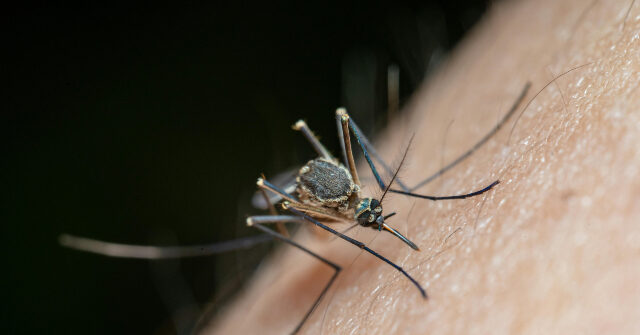
 Breitbart News
Mosquito-Borne Virus That Triggered Restrictions in China Found in U.S.
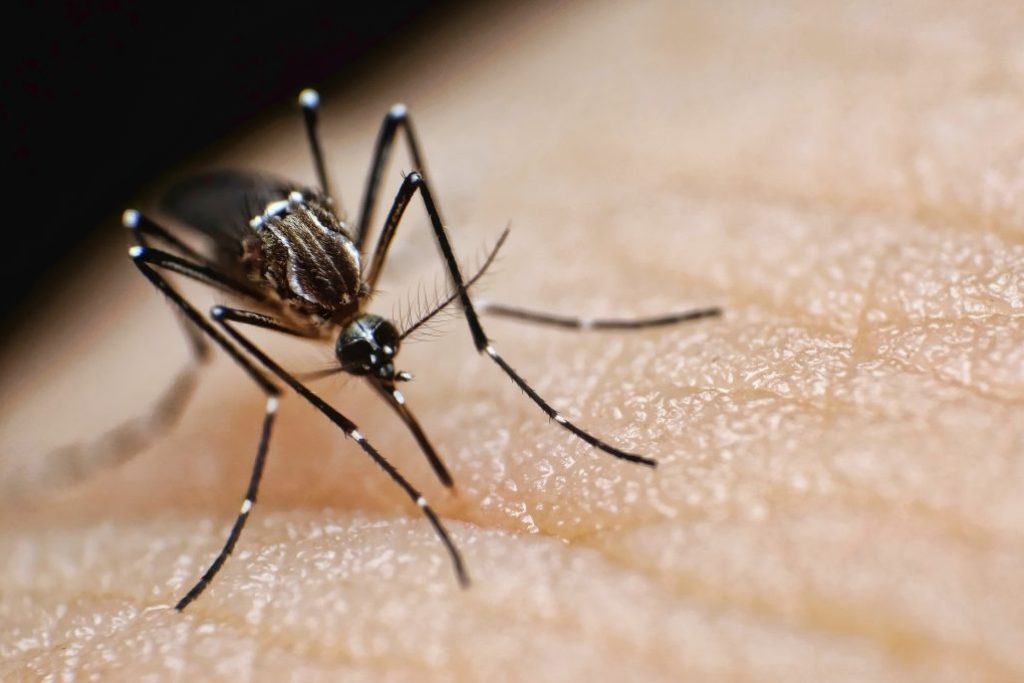
 Washington Examiner
What to know about Chikungunya virus after case in New York
Overview
A New York resident contracted the first locally transmitted chikungunya virus case in the U.S. since 2019, highlighting the presence of carrier mosquitoes in the area.
The mosquito-borne virus, first identified in Tanzania in 1952, was confirmed in a Nassau County resident who developed symptoms in August after regional travel.
Chikungunya causes fever, severe joint pain, headache, and muscle pain, with symptoms typically appearing 3-7 days after a mosquito bite, though severe cases are rare.
While there's no specific treatment, symptoms can be managed with medication, rest, and fluids; a vaccine is available for travelers to prevent the disease.
The virus is not transmitted person-to-person and regularly causes outbreaks in tropical regions, with 199 travel-related U.S. cases reported in 2024.
Analysis
Center-leaning sources frame this story by emphasizing the severe and long-lasting impacts of the chikungunya virus, despite acknowledging a low immediate risk. They use evocative language and highlight personal accounts of chronic pain and debilitation, creating a narrative that underscores the virus's potential for suffering. This editorial focus on severity overshadows the relatively low current threat.