CDC Advisers Vote to Limit Universal Hepatitis B Vaccine for Newborns, Sparking Controversy
CDC advisers voted to limit universal newborn hepatitis B vaccination, recommending delays for non-infected infants. This controversial shift, reflecting a Trump administration policy, faces expert criticism.

 Al Jazeera
US health panel ditches guidance to give hepatitis B vaccine to newborns

 Daily Caller
CDC Advisers Align Childhood Vaccination Schedule With Other High-Income Nations, Media Melts Down Anyway
 The Guardian
Who’s allowed to get the hepatitis B vaccine in the US now?
 The Atlantic
The Vaccine Guardrails Are Gone
Overview
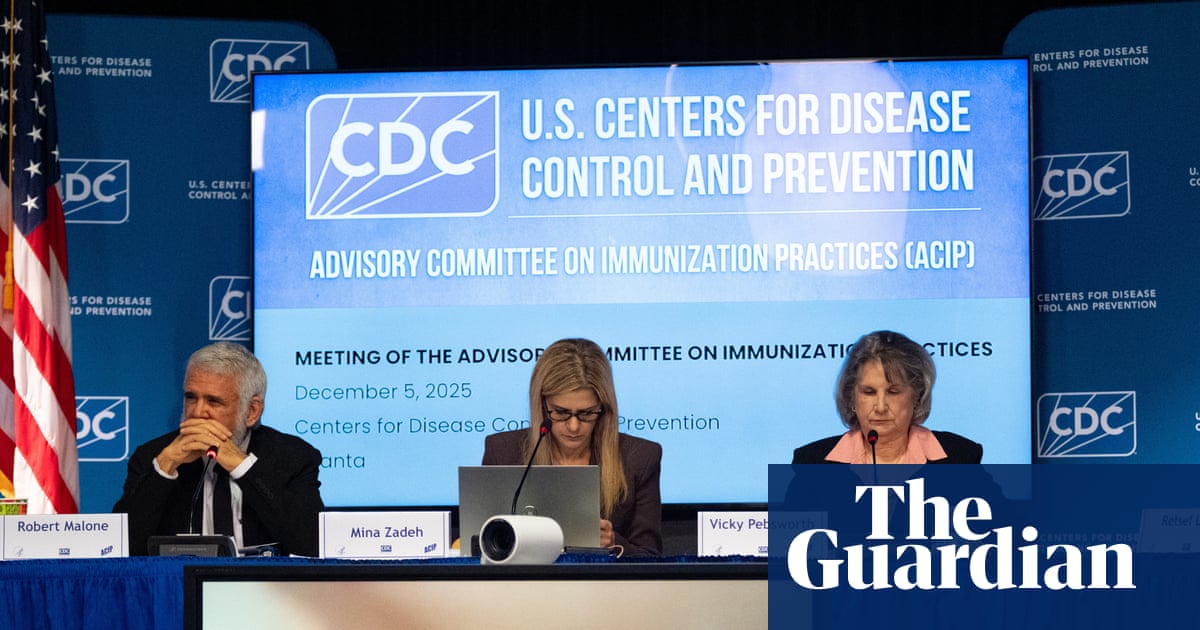
CDC advisers have voted to limit the universal recommendation for hepatitis B vaccination at birth, a significant departure from the decades-old public health guideline established in 1991 to prevent serious liver damage.
The new policy, reflecting a shift under the Trump administration, recommends the birth dose only for infants of mothers who test positive or are untested for the virus, advising parents of negative mothers to consult providers.
For infants of non-infected mothers, the committee now recommends delaying the first vaccination dose until two months of age, a change from the CDC's 2018 guideline of administering it within 24 hours of birth for healthy babies.
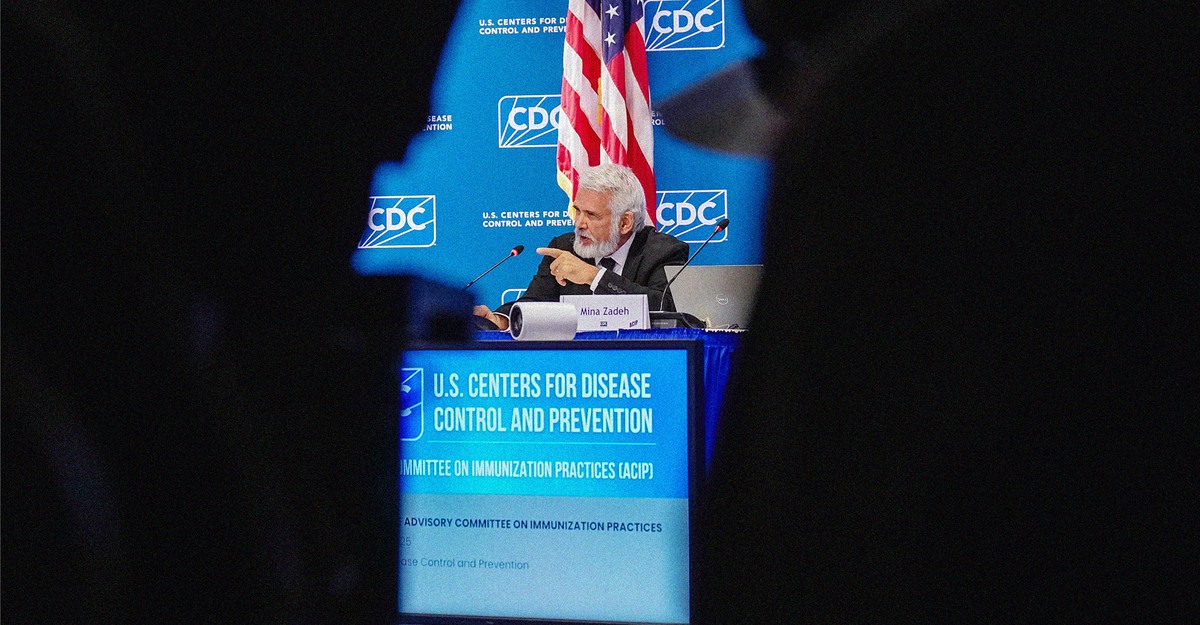
This controversial shift follows Health Secretary Robert F Kennedy Jr.'s replacement of the entire ACIP panel with members critical of vaccines, despite widespread expert affirmation of the vaccine's safety and effectiveness.
The decision, which awaits approval from CDC acting director Jim O’Neill, has drawn criticism from the American Medical Association and other health experts who warn of increased risks for lifelong liver complications and fatalities in infants.
Analysis
Center-leaning sources frame the CDC panel's decision to roll back the universal hepatitis B vaccine recommendation as a dangerous and ill-advised move. They emphasize strong opposition from medical experts, highlight the vaccine's proven efficacy and safety, and link the panel's composition to vaccine skepticism and misinformation, suggesting a threat to public health.