Federal Advisory Panel Votes to End Universal Newborn Hepatitis B Vaccination, Sparking Public Health Concerns
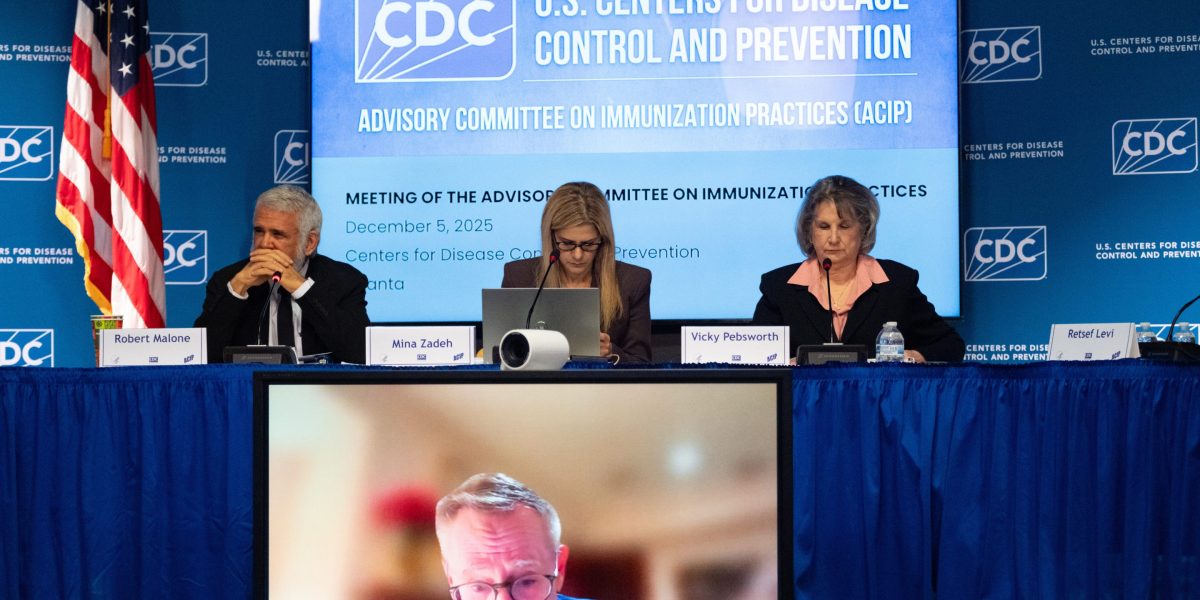
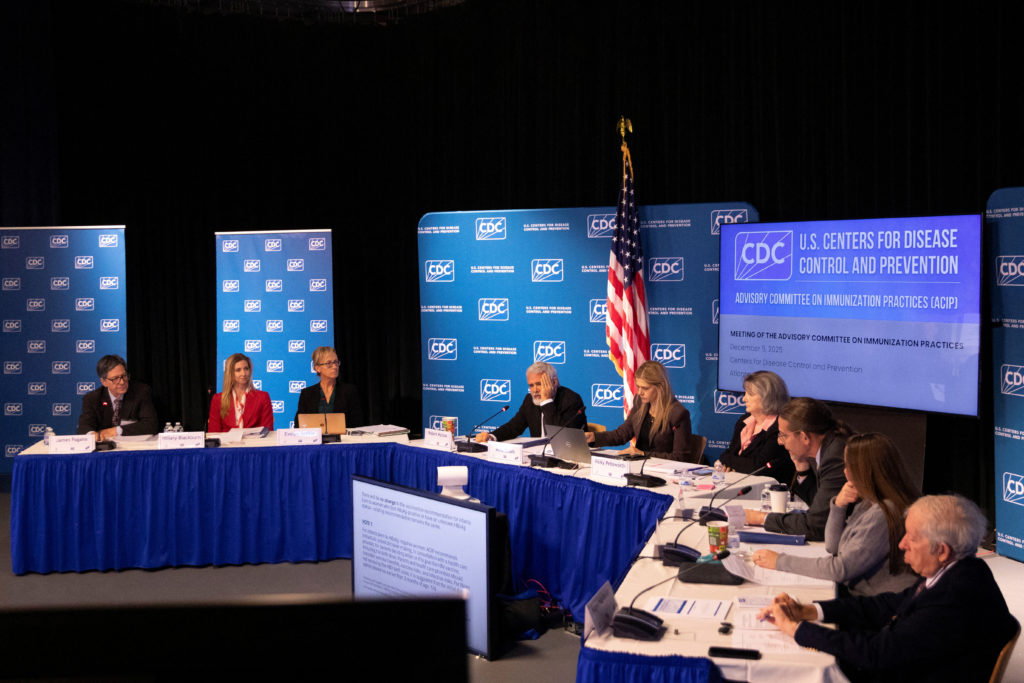
A federal committee, influenced by Health Secretary Robert F. Kennedy Jr., voted 8-3 to end universal newborn hepatitis B vaccination, reversing a 1991 policy.
 Fortune
US vaccine advisers end decades-long recommendation for all babies to get hepatitis B shot at birth
 PBS NewsHour
Fact-checking the CDC panel's reasons for dropping universal newborn hepatitis B vaccine recommendation
 PJ Media
Trump Orders Comprehensive Overhaul of Child Vaccine Schedule

 NPR
NPRWhat does the CDC's advisors' vote to overturn hepatitis B vaccines for infants mean?
Overview
A federal advisory committee, influenced by Health Secretary Robert F. Kennedy Jr.'s anti-vaccine stance, voted 8-3 to end the universal hepatitis B vaccination recommendation for all U.S. newborns, reversing a 1991 policy.
This controversial decision followed President Trump's order for a vaccine review and Kennedy Jr.'s appointment of vaccine-critical ACIP members, altering longstanding guidance for new mothers and their infants.
The committee now recommends the birth dose only for infants of mothers testing positive for hepatitis B or with unknown status, suggesting vaccination at two months for others, with antibody testing after each dose.
Public health experts warn that delaying the vaccine could lead to an estimated 1,400 additional infections, 300 liver cancer cases, and 480 preventable deaths annually, given infants' high chronic infection risk.
CDC Acting Director Jim O’Neill will decide on accepting these new recommendations, while hospitals and health organizations currently continue to recommend the traditional birth dose schedule.
Analysis
Center-leaning sources frame the federal vaccine panel's decision as a dangerous, unscientific retreat from established public health policy. They emphasize the role of Robert F. Kennedy Jr. in overhauling the committee with vaccine-critical members, highlighting the lack of scientific rationale and the strong opposition from mainstream medical organizations. The collective narrative suggests potential negative health consequences and an undermining of public trust in vaccines.