CDC Revises Newborn Hepatitis B Vaccine Guidance, Diverging from Pediatric Recommendations
The CDC has updated its hepatitis B vaccination guidance for newborns of hepatitis B-negative mothers, now recommending healthcare provider consultation instead of universal vaccination, contrasting with ongoing pediatric recommendations.

 Chicago Sun-Times
Illinois vaccine committee votes to keep recommending hepatitis B vaccine for newborns
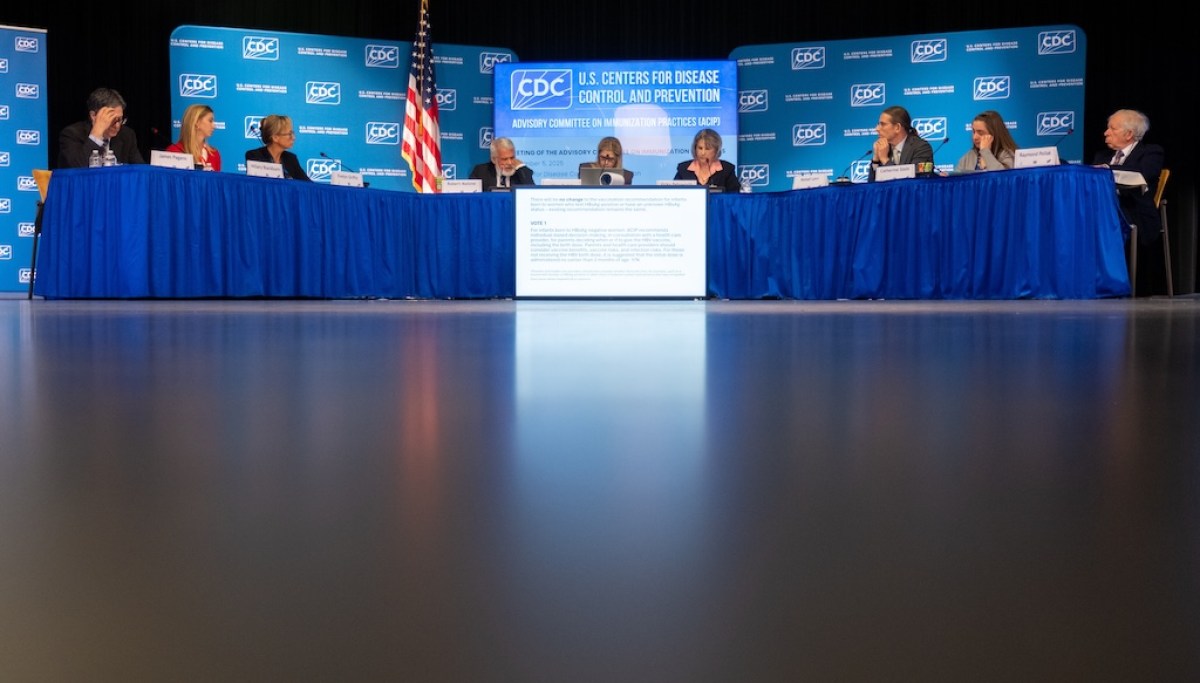
 Washington Examiner
CDC drops newborn hepatitis B vaccine recommendation
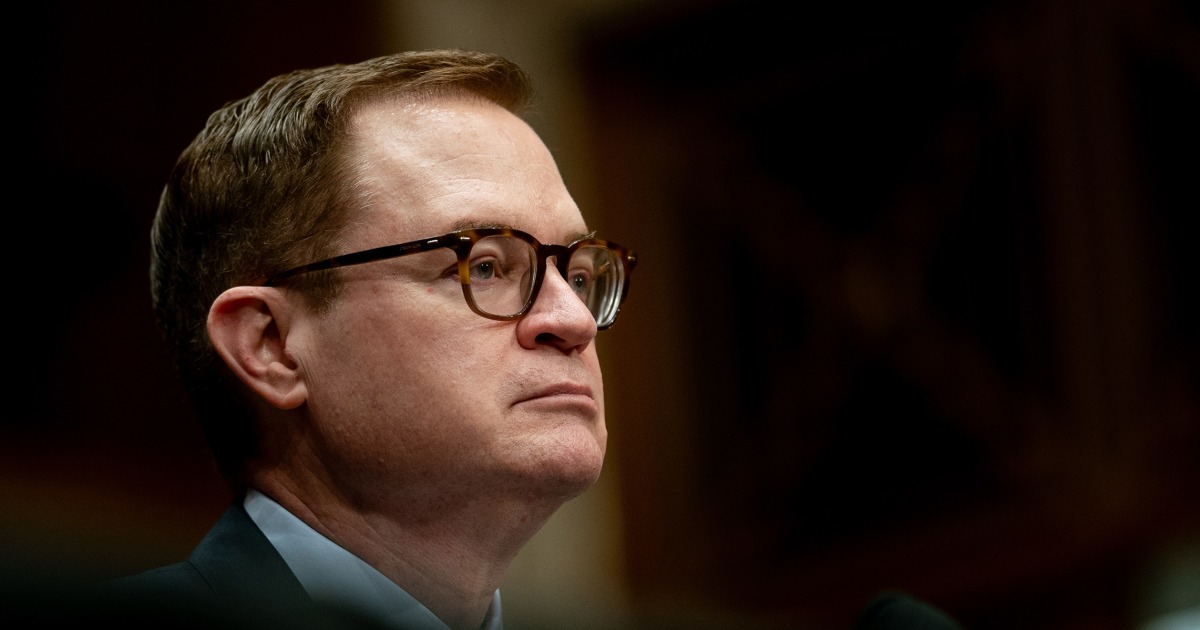
 NBC News
CDC formally stops recommending hepatitis B vaccines for all newborns
 Newsmax
CDC Approves Major Shift in Hepatitis B Vaccination
Overview
The American Academy of Pediatrics and Illinois' vaccine advisory committee continue to recommend the hepatitis B vaccine for newborns within 24 hours of birth, followed by a complete three-dose series.
Health officials and pediatricians across the board maintain their recommendation for universal hepatitis B vaccination for all newborns, emphasizing its importance for infant health protection.
The CDC has recently altered its policy, now advising healthcare provider consultation for hepatitis B vaccination in newborns whose mothers are hepatitis B-negative, ending universal vaccination.
This new CDC guidance marks a significant departure from previous universal recommendations, potentially impacting vaccination practices and creating a divergence from other major health organizations.
The shift in the CDC's Advisory Committee on Immunization Practices' stance follows Kennedy's replacement of the panel with members reportedly skeptical of vaccines.
Analysis
Center-leaning sources cover the Illinois vaccine committee's decision neutrally, presenting the state's reaffirmation of the hepatitis B vaccine for newborns alongside the differing federal guidance. They explain the rationale behind Illinois's stance, including public health data and concerns about care gaps, while clearly outlining the CDC's new, more selective recommendation without taking a side.