Rapid spread of H3N2 subclade K worsens U.S. flu season; CDC updates childhood vaccine guidance
Emergent H3N2 subclade K is rapidly spreading in the U.S., reducing vaccine match; 11 million cases and 120,000 hospitalizations prompt new CDC childhood vaccine updates.





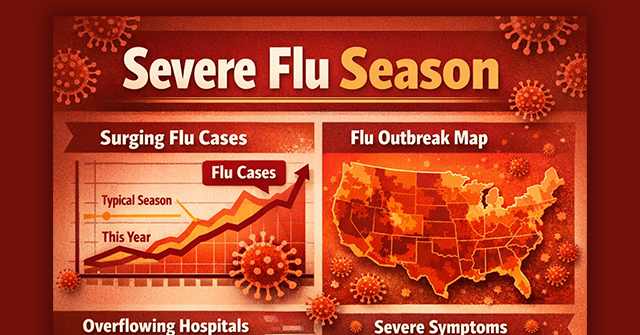

Overview
Subclade K of H3N2 is rapidly spreading across the U.S., increasing transmissibility and causing more severe symptoms, particularly endangering older adults and young children.
Season totals exceed 11 million reported cases, with more than 120,000 hospitalizations and about 5,000 deaths, including nine pediatric fatalities through December 27.
CDC and public-health officials warn seasonal vaccines may not fully match subclade K, potentially reducing vaccine effectiveness and contributing to rising infection rates nationwide.
Emergency-department and outpatient visits have surpassed last season's peaks; many states report high to very high flu activity, with 8.2% of late-December doctor visits for ILI.
CDC released updates to the childhood vaccination schedule after new recommendations; officials urge parents to consult doctors, and vaccines remain covered by insurers and federal programs.
Analysis
Center-leaning sources frame the flu surge story by emphasizing the severity of the current flu season through statistical data and expert opinions. They highlight the high number of cases, hospitalizations, and deaths, while also noting the CDC's controversial decision to alter vaccine recommendations. This framing underscores the public health implications and potential risks of reduced vaccination rates, presenting a narrative of urgency and concern.