H3N2 Subclade K Drives U.S. Flu Surge; Officials Urge Immediate Vaccination
A new H3N2 subclade K is fueling a US flu surge; CDC reports over 11 million cases and urges immediate vaccination despite imperfect vaccine match.

 CNN
CNNWondering if you should get a flu shot? Here’s what science says

 PBS NewsHour
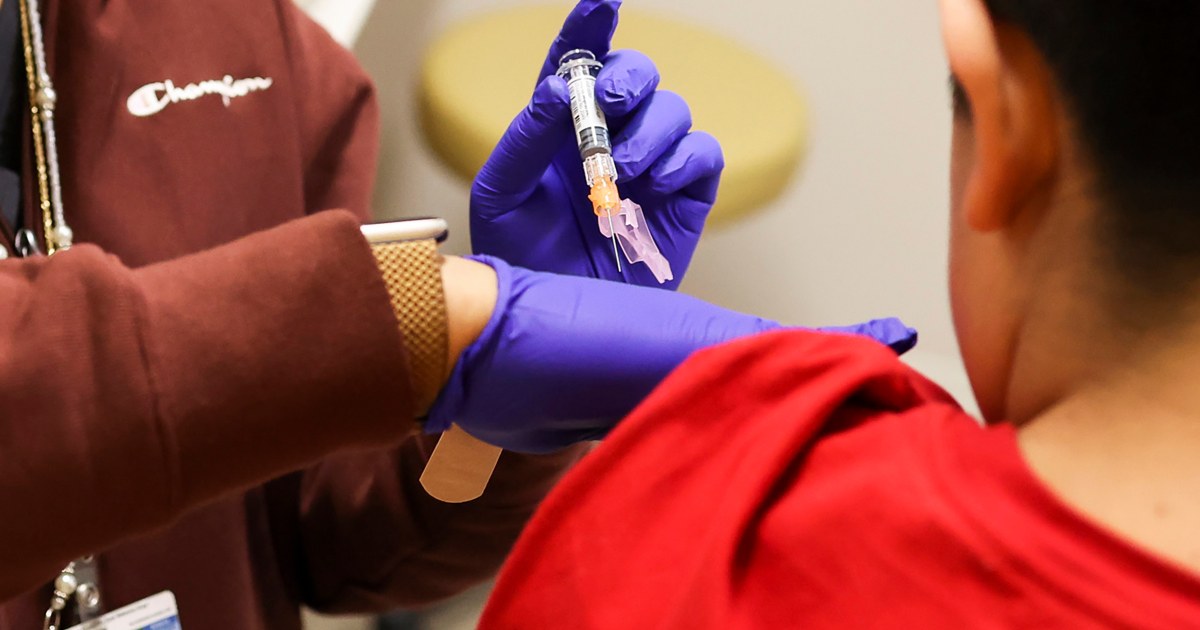
Should you still get the flu shot despite the new strain? Here's why doctors recommend it
 NBC News
How effective is the flu shot this year? New report shows promising results

 Gizmodo
Do I Have the âSuper Fluâ? Hereâs What You Need to Know
Overview
New H3N2 subclade K is spreading rapidly across the U.S., causing widespread illness and prompting experts and CDC to urge immediate influenza vaccination to reduce severe outcomes.
CDC reports over 11 million flu cases this season, with about 120,000 hospitalizations and 5,000 deaths, including nine pediatric deaths, increasing healthcare system strain.
Although subclade K differs genetically, CDC and UK surveillance show current vaccine still provides significant protection against seasonal flu and severe disease.
The vaccine protects against three strains this season: two influenza A strains (H1N1 and H3N2) and one influenza B strain of the Victoria lineage.
Flu symptoms—headache, muscle aches, fatigue, fever—overlap with other illnesses, complicating diagnosis; health officials recommend vaccination, testing, and antiviral treatment when clinically indicated.
Analysis
Center-leaning sources frame the story by emphasizing the effectiveness of the flu shot despite the emergence of a new strain. They use language like "promising results" and "unexpected good news" to highlight the vaccine's benefits. The coverage prioritizes expert opinions that support vaccination, while acknowledging the challenges posed by the H3N2 subclade K strain. This framing encourages public confidence in vaccination efforts.