U.S. Issues 2025–2030 Dietary Guidelines Prioritizing Protein and Whole Foods Amid Industry-Ties Criticism
HHS and USDA released the 2025–2030 Dietary Guidelines, prioritizing protein and whole foods, lowering sugar targets and removing alcohol limits amid widespread federal industry-ties criticism.

 Daily Signal
The New Food Pyramid Is Exactly What We've Needed for Years
 The Free Press
Mark Hyman: At Last, the Truth About Food
 ARS Technica
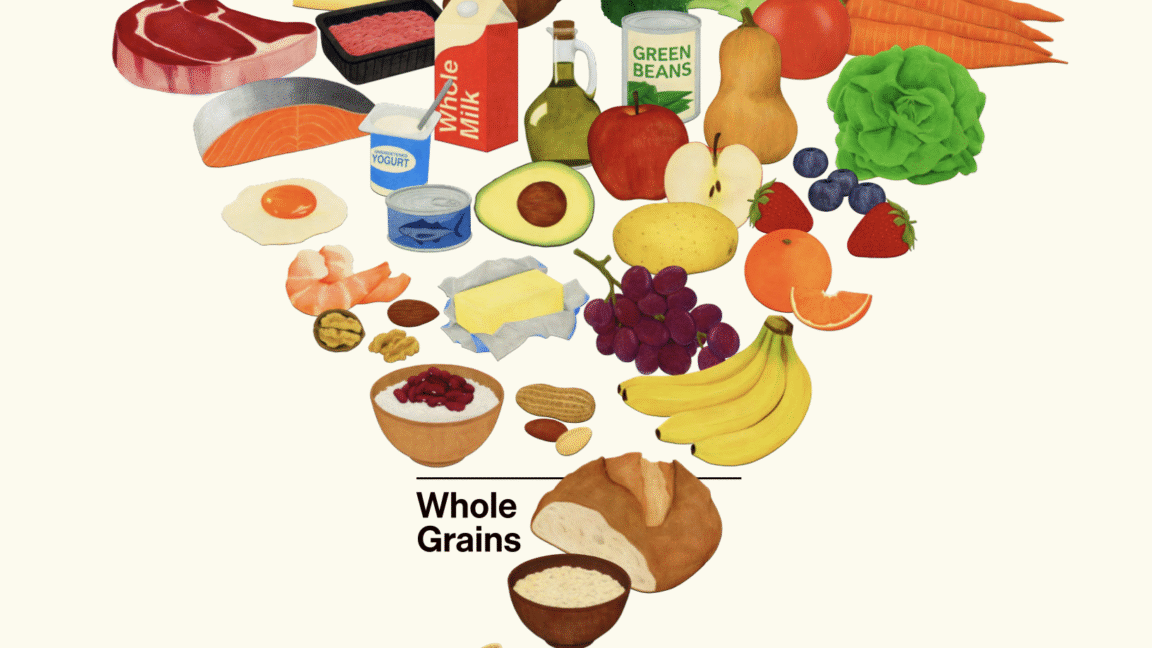
RFK Jr.’s dietary guidance: Food funnel features slab of red meat, butter

 Western Journal
Trump Admin (Literally) Turns the Food Pyramid on Its Head: 'We Have Ended an Era of Medical Dogma'
Overview
Health Secretary Robert F. Kennedy Jr. and Agriculture Secretary Brooke Rollins unveiled the 2025–2030 Dietary Guidelines at a White House briefing, updating federal nutrition policy.
The revised food pyramid inverts the traditional model to prioritize protein, dairy, healthy fats, fruits, and vegetables over whole grains, emphasizing whole, minimally processed foods.
Guidelines recommend increasing protein to 1.2–1.6 grams per kilogram of body weight, about 50–100% higher than prior guidance, and encourage protein at every meal.
Added-sugar guidance is tightened: a 2,000‑calorie diet should limit added sugars to about 120 calories (6% of calories); previous 10% target and alcohol limits were removed.
Federal law requires five-year updates; the release aims to reflect current nutrition science but drew criticism for committee industry ties and perceived policy changes.
Analysis
Center-leaning sources frame the story by emphasizing the scientific basis and potential health benefits of the new dietary guidelines, while acknowledging socio-economic challenges. They use neutral language, quoting experts like Dr. Zhang and Dr. Dunham, who highlight the need for policy support to make healthy choices accessible. The coverage balances Kennedy's bold statements with expert caution, presenting a comprehensive view of the guidelines' implications.