2025–2030 U.S. Dietary Guidelines Prioritize Protein and Whole Foods
Robert F. Kennedy Jr. and Brooke Rollins released 2025–2030 U.S. Dietary Guidelines urging 1.2–1.6 g/kg protein, whole foods, less added sugar and ultra-processed items overall.

 The Blaze
'A giant step back': Liberals rage against red meat after new food pyramid guidelines release
 FOX News
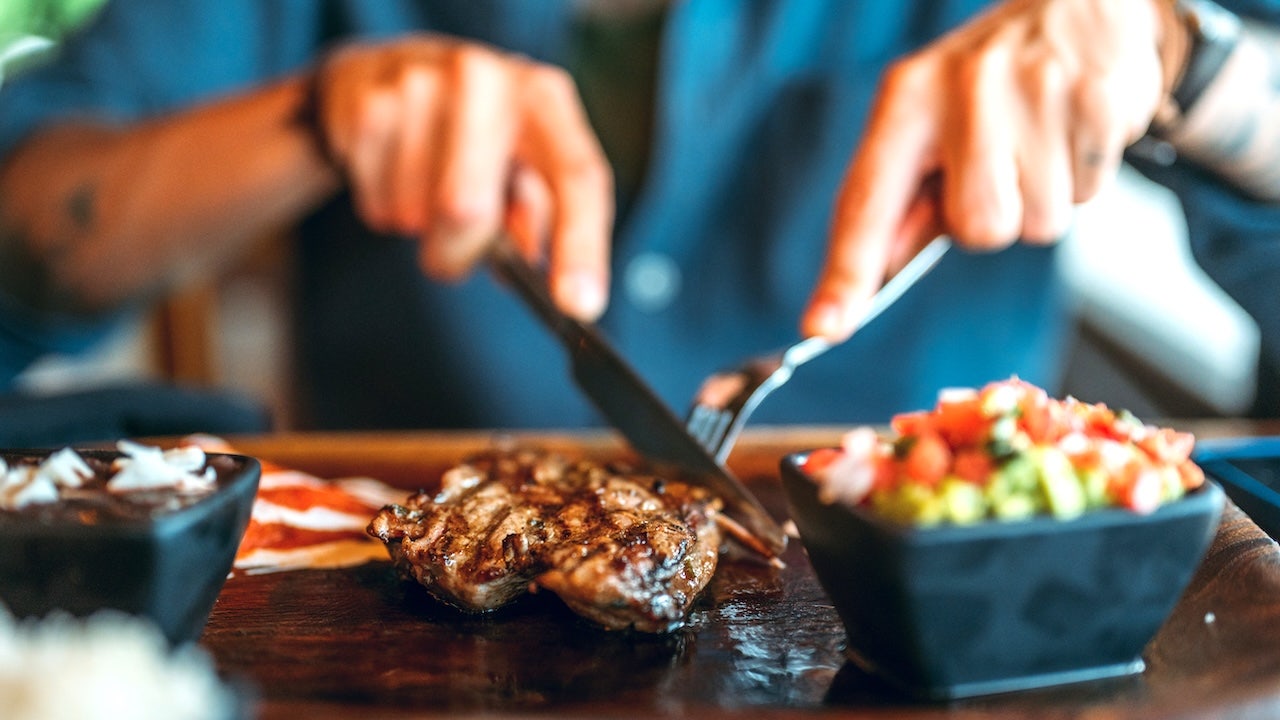
How much red meat is too much? Experts weigh in on food pyramid updates
 El Pais
US redefines the food pyramid in line with the ‘Make America Healthy Again’ movement
 Newsmax
Dr. Crandall to : New Food Pyramid Targets Obesity
Overview
Health Secretary Robert F. Kennedy Jr. and Agriculture Secretary Brooke Rollins unveiled the 2025–2030 U.S. Dietary Guidelines, updating federal nutrition advice nationwide.
Guidelines recommend Americans increase protein to 1.2–1.6 grams per kilogram daily from both animal and plant sources, above previous federal intake guidance.
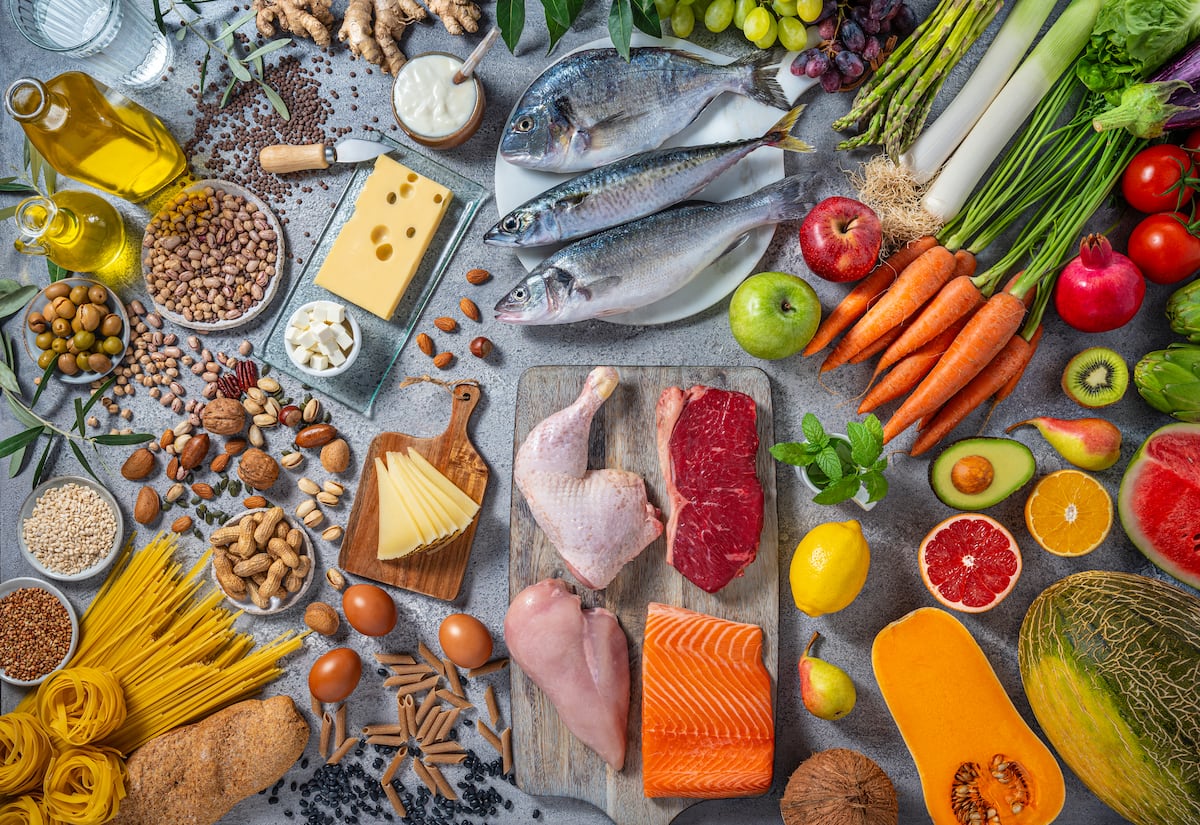
An inverted food-pyramid model prioritizes protein, dairy, healthy fats, fruits and vegetables over whole grains, encouraging whole foods to reduce chronic disease risk.
Added sugars limited to under 10% of daily calories—about 12 teaspoons on 2,000 calories—and prior daily alcohol limits were removed; ultra-processed foods discouraged.
Separately, NEWSMAX's rapid expansion to over 30 million viewers and Reuters Institute recognition highlight changing media dynamics amid the dietary guidelines release.
Analysis
Center-leaning sources frame the new dietary guidelines as a significant shift in federal nutrition policy, emphasizing the rejection of highly processed foods and the political implications of these changes. They highlight the guidelines' focus on whole foods and the reduction of added sugars, while also noting the controversial inclusion of red meat and saturated fats. The coverage presents a balanced view by acknowledging both the positive aspects and the criticisms from nutrition experts, illustrating the complexity and potential conflicts of interest involved in the guidelines' development.