ICE Agents Break Into Minnesota Home, Detain U.S. Citizen Barely Clothed
U.S. citizen ChongLy "Scott" Thao says ICE forced entry and led him out in underwear during a Jan. 18 targeted operation seeking two convicted sex offenders.

 USA TODAY
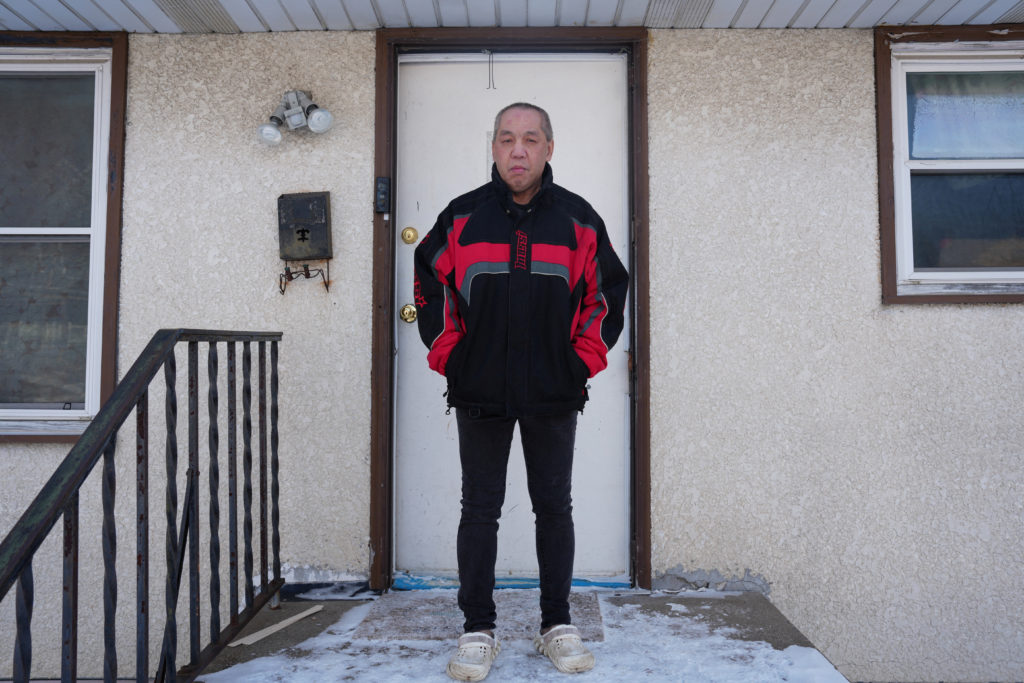
ICE broke into home, dragged barely clothed US citizen into snow
 PBS NewsHour
A U.S. citizen says ICE forced open the door to his Minnesota home and removed him in his underwear after a warrantless search
 The Guardian
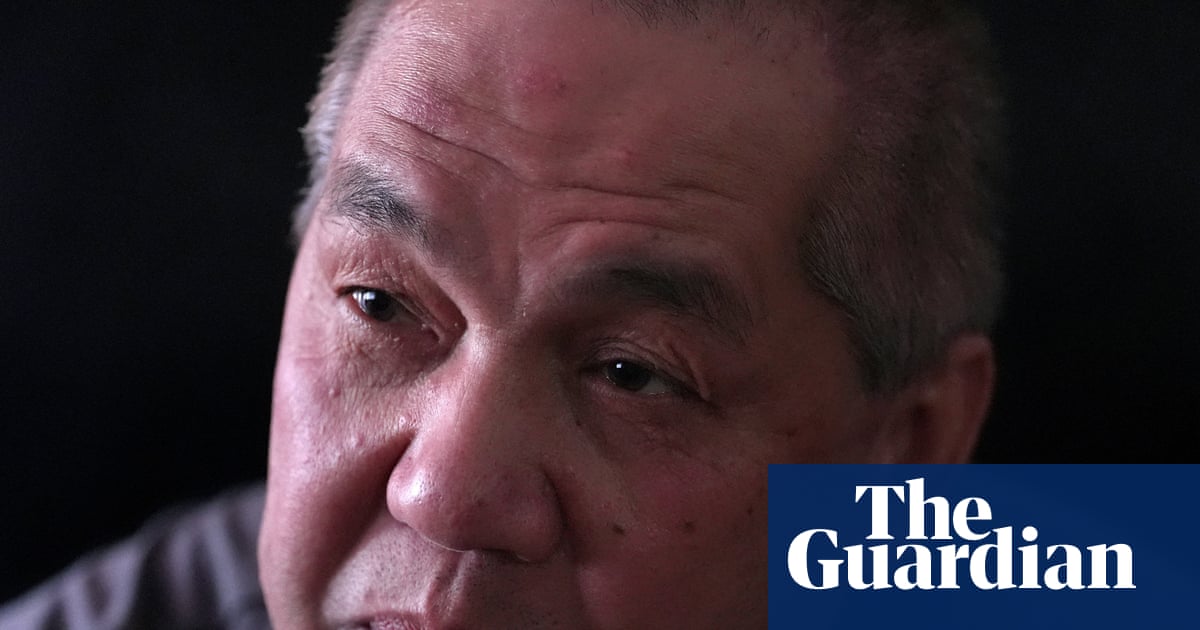
US citizen says ICE forced him from his home without clothes in subfreezing weather
 HuffPost
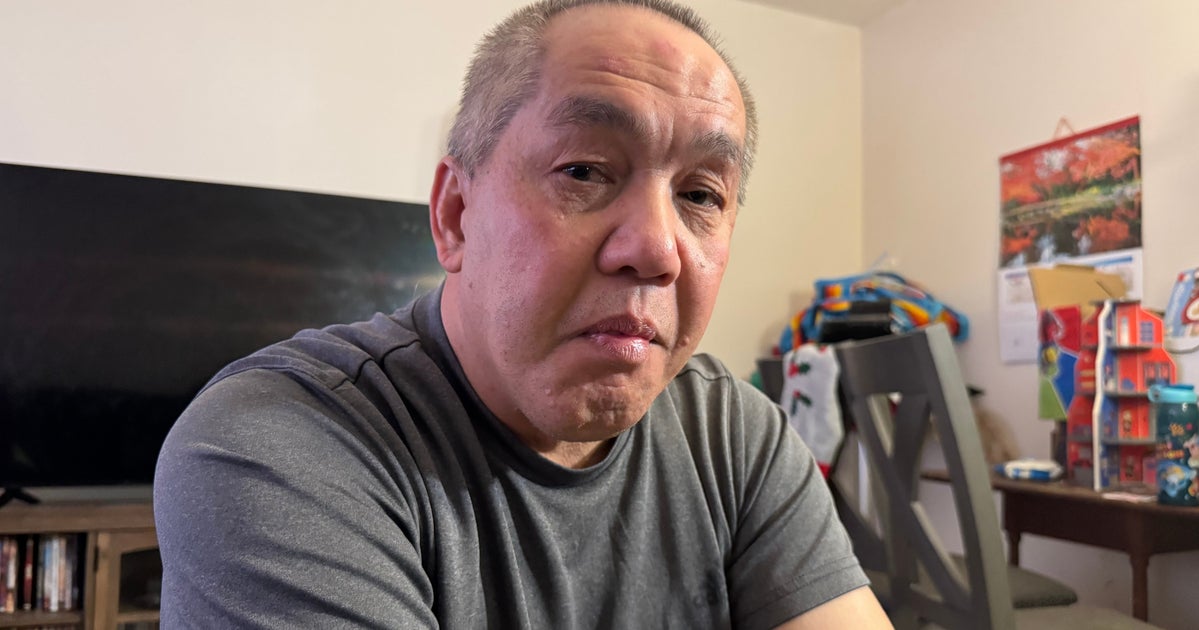
ICE Broke Into Minnesota Home, Dragged Barely Clothed Man Into Snow

 New York Daily News
US citizen says ICE removed him from his Minnesota home in his underwear after warrantless search
Overview
Federal immigration agents forced open the St. Paul home of ChongLy "Scott" Thao, 56, at gunpoint on Sunday, Jan. 18, detained him without showing a warrant and led him out in his underwear into subfreezing temperatures, according to his family and videos reviewed by The Associated Press.
The incident occurred amid a deployment of about 3,000 federal officers to the Minneapolis area as part of President Donald Trump's immigration enforcement surge and followed the Jan. 7 fatal shooting of Renee Nicole Good, events that have prompted protests and scrutiny of federal tactics, Reuters and AP reported.
The Department of Homeland Security said the ICE operation was a "targeted operation" seeking two convicted sex offenders and that Thao "matched the description of the targets" and refused fingerprinting or facial identification, DHS spokeswoman Tricia McLaughlin said, while Thao's family in a statement "categorically disputes" the DHS account and ChongLy Thao said he plans to file a civil rights lawsuit.
The federal deployment has involved about 3,000 officers in the Minneapolis area and has drawn judicial scrutiny, including an injunction issued by U.S. District Judge Katherine Menendez restricting the drawing and pointing of weapons and certain detainment tactics, according to Reuters and court records.
ChongLy Thao said he will file a civil rights lawsuit over the Jan. 18 incident, and DHS did not provide the identities of the two convicted sex offenders or explain why it believed the targets were present at the home when AP requested that information, records show.
Analysis
Center-leaning sources frame the incident as government overreach and individual trauma by foregrounding emotive eyewitness detail and images, highlighting family and judicial criticism, and noting harsh weather. Language choices ('dragged', 'barely clothed'), quote selection, and placement of DHS responses later produce cumulative emphasis on civil‑rights concerns rather than investigatory rationale.