Israeli Strike Kills Three Palestinian Journalists in Central Gaza
Three journalists were killed when their car was struck in al‑Zahra while on a humanitarian mission, and the Israeli military says it targeted a drone threat.

 Boston Herald
Israeli fire kills 11 Palestinians in Gaza, including 2 children, local hospital officials say
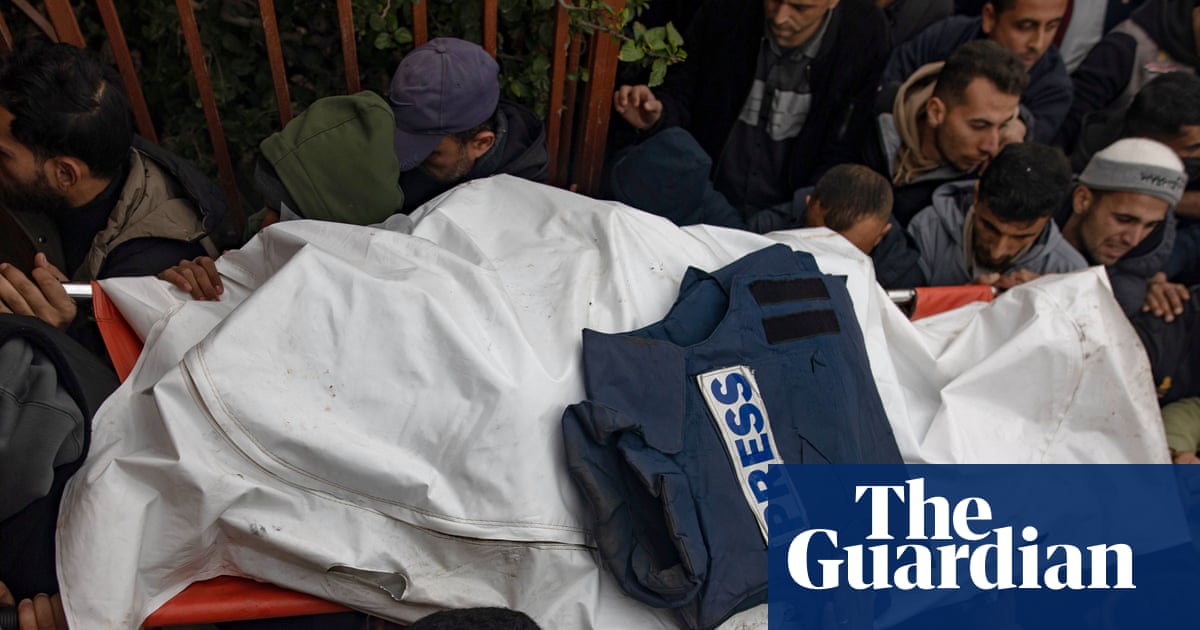
 The Guardian
Three journalists among 11 Palestinians killed by Israeli forces in Gaza
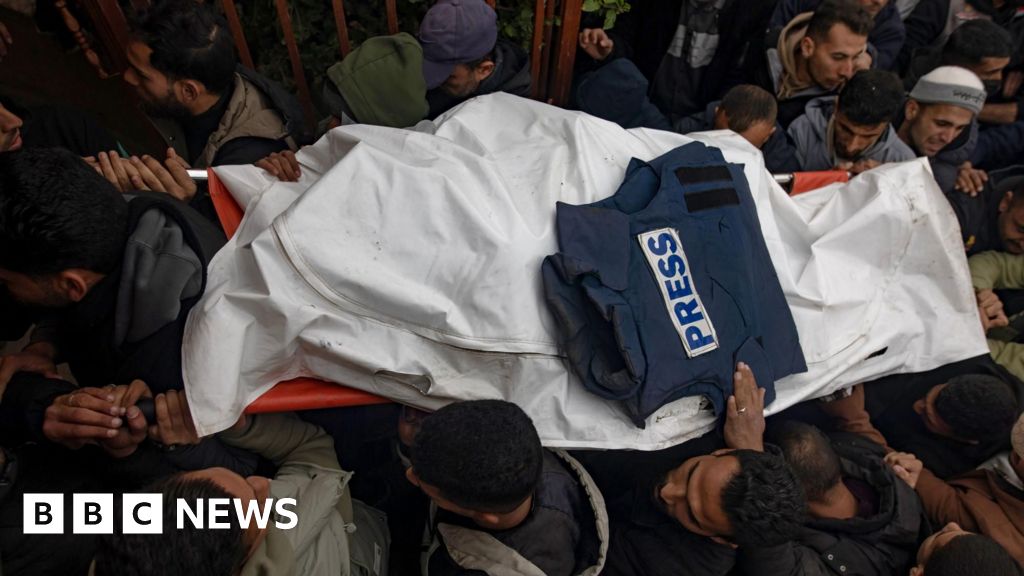
 BBC News
Israeli strike in Gaza kills three journalists, first responders say

 Al Jazeera
Three journalists among 11 Palestinians killed in Israel’s attacks on Gaza
 Newsmax
Israeli Fire Kills 11 Palestinians in Gaza, Including 2 Children, Local Hospital Officials Say
Overview
Three Palestinian journalists — Mohammed Salah Qeshta, Anas Ghunaim and Abdul Raouf Shaat — were killed when an Israeli strike hit their car in the al‑Zahra area of central Gaza on Wednesday, Gaza's Hamas-run Civil Defence agency and first responders said.
The Israeli military said it struck "several suspects who operated a drone affiliated with Hamas... in a manner that posed a threat" to its troops and that the details of the incident were under examination, while Mohammed Mansour, a spokesman for the Egyptian Relief Committee, said the vehicle was on a humanitarian mission about 5 kilometers from Israeli-controlled territory.
Mohammed Mansour, a spokesman for the Egyptian Relief Committee, said the car was marked with the committee's logo and "was targeted during a humanitarian mission, resulting in the martyrdom of three individuals," and the Palestinian Journalists Syndicate called the strike a war crime, according to Wafa and the committee's statement.
Gaza's Hamas-run health ministry said eight other Palestinians, including two children, were killed across Gaza on Wednesday and that at least 466 Palestinians have been killed since the Oct. 10 ceasefire, while the Committee to Protect Journalists says at least 206 journalists and media workers have been killed in Gaza since the war began in October 2023.
The Israeli military said it is examining the incident and reiterated its claim that a drone posed a threat in a statement, and international groups including the Committee to Protect Journalists have called for an urgent independent investigation, according to their statements and Reuters reporting.
Analysis
Center-leaning sources foreground Palestinian victims and human-rights data, using emotive casualty totals and CPJ statistics while juxtaposing briefer Israeli statements about "suspects" and investigations. Editorial choices — prominence of humanitarian quotes, named victims, and context about media access — collectively frame the incident as a severe civilian/journalist toll requiring scrutiny.