Federal Judge Questions Trump Team's Authority To Build White House Ballroom
U.S. District Judge Richard Leon signaled skepticism about a privately funded $400 million East Wing ballroom and said he would likely issue a decision in February.
 NBC News
Federal judge appears skeptical of DOJ's argument for White House ballroom construction
 CBS News
Judge skeptical of Trump's arguments he has proper authority to build White House ballroom

 CNN
CNNFederal judge appears skeptical that Trump has legal authority to proceed with White House ballroom | Politics
Overview
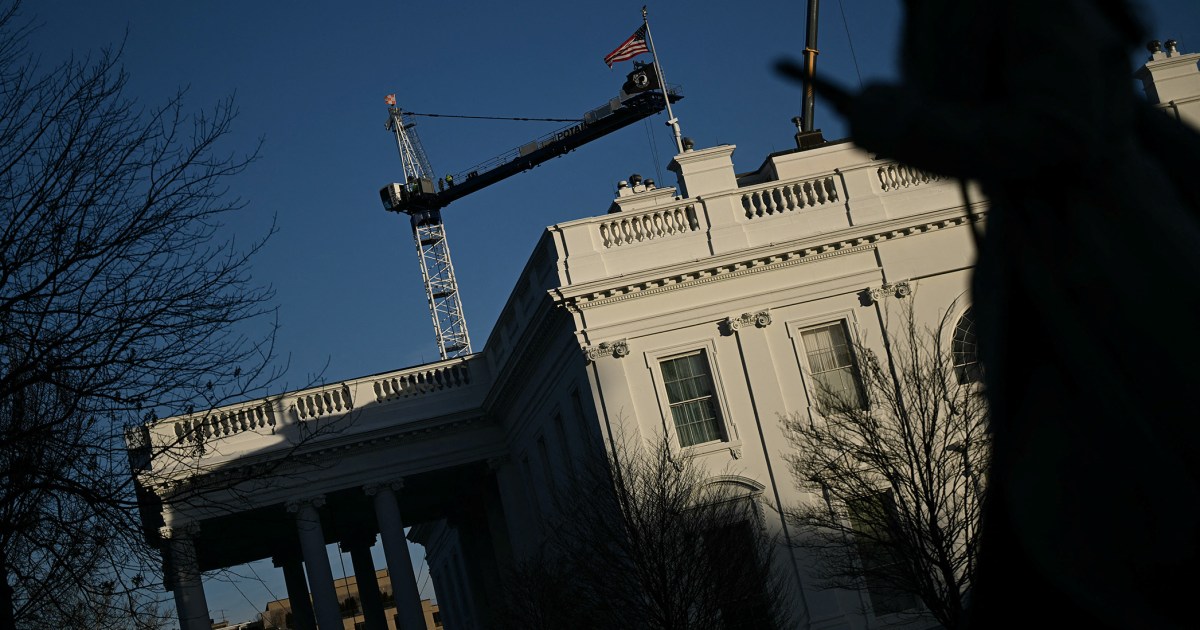
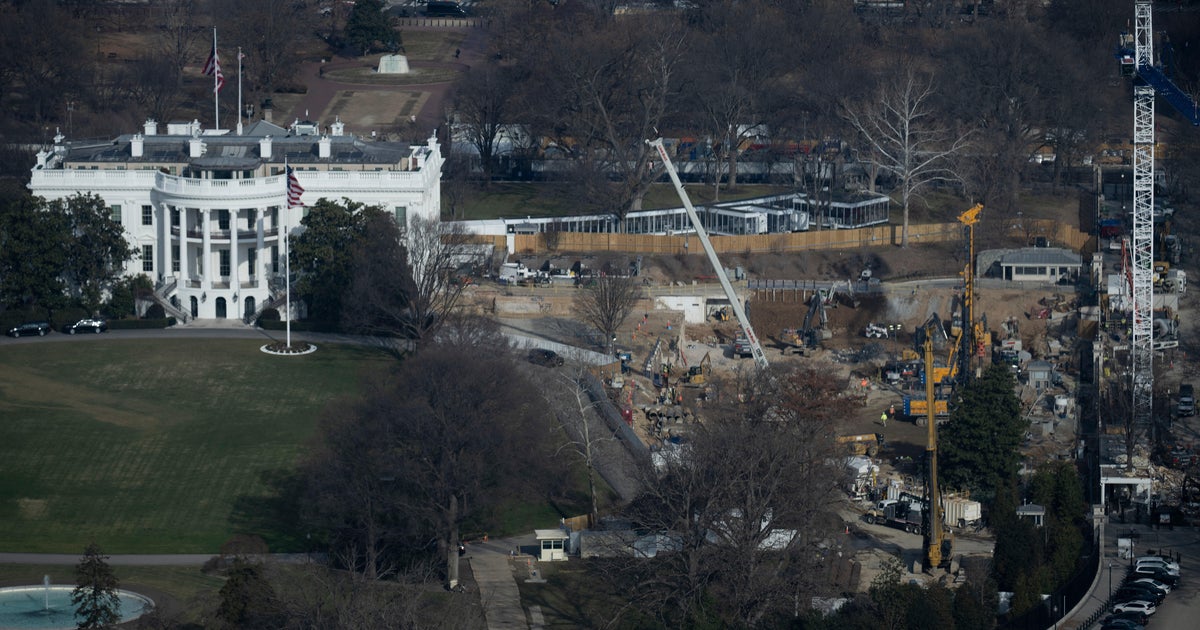
U.S. District Judge Richard Leon said during a Thursday hearing that he was skeptical the Trump administration has the authority to demolish the East Wing and construct a privately funded $400 million ballroom and that he would likely issue an opinion in February.
The National Trust for Historic Preservation filed suit seeking a preliminary injunction to halt the East Wing work, arguing the administration bypassed congressional authorization and court filings show Leon previously denied a temporary restraining order in December while limiting below-ground construction.
Justice Department attorney Yaakov Roth told Leon that President Donald Trump chose private donations to avoid using taxpayer funds and warned that pausing construction would cause "irreparable harm" including national security and structural risks, Roth said in court.
Lead architect Shalom Baranes told the Commission of Fine Arts that the ballroom would be about 22,000 square feet with 40-foot ceilings and seat 1,000 guests and filings show the broader East Wing renovation covers approximately 89,000 square feet, with Comcast Corp. among listed donors.
The parties remain sharply divided, with Tad Heuer, attorney for the National Trust, saying the project is an "end-run" around Congress while Justice Department lawyers insist an injunction would harm security, and the White House plans another presentation to the Commission of Fine Arts in March.
Analysis
Center-leaning sources present a measured courtroom account that balances plaintiff and administration claims, relying on direct quotes and factual details. Editorial language is restrained; skeptical courtroom exchanges are presented as source content rather than framed assertions. Coverage also includes procedural context and design facts, limiting selective emphasis or omission.