Iranian Authorities Cut Internet as Protests Spread Nationwide
Authorities cut internet as protests that began Dec. 28 spread, with state media estimating at least $125 million in damage.
 ABC News
Scale of Iran's nationwide protests and bloody crackdown comes into focus
 Associated Press
Scale of Iran's nationwide protests and bloody crackdown come into focus even as internet is out
 Newsmax
Scale of Iran's Nationwide Protests and Bloody Crackdown Come into Focus Even as Internet Is out
Overview
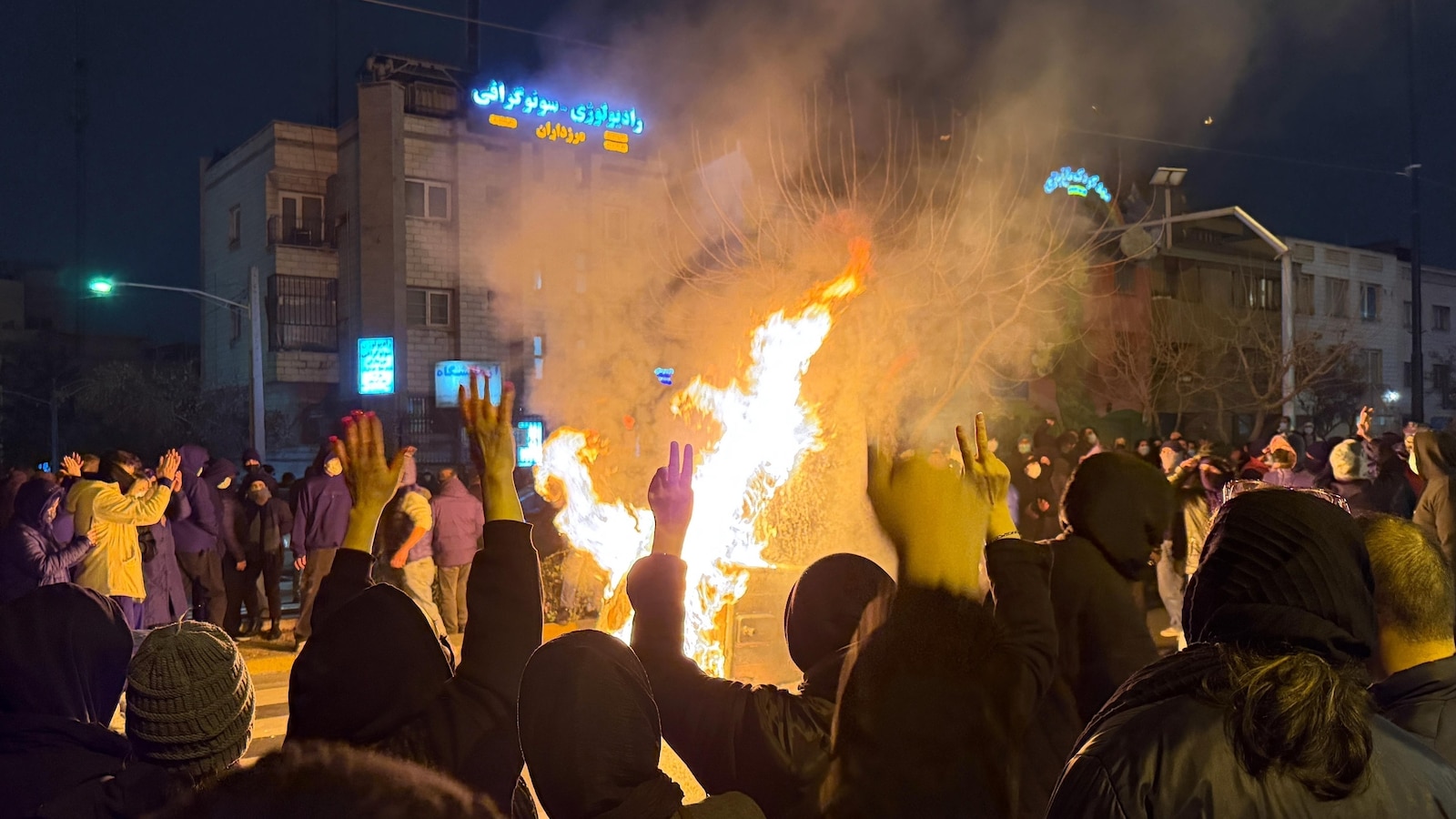
Iranian authorities cut internet access and state-run IRNA estimated at least $125 million in damage to banks, mosques and government buildings after unrest that began Dec. 28 at Tehran's Grand Bazaar, officials said.
Tensions exploded on Jan. 8 when demonstrations called by exiled crown prince Reza Pahlavi drew what witnesses said were tens of thousands in Tehran, a surge rights groups characterize as the bloodiest crackdown since 1979.
Deputy Interior Minister Ali Akbar Pourjamshidian acknowledged that violence began on Jan. 8 and told state television that "more than 400 cities were involved," officials said.
The government reported 3,117 dead, including 2,427 civilians and security personnel and 690 labeled "terrorists," a toll contested by the U.S.-based Human Rights Activists News Agency, whose records show 5,137 deaths including 4,834 demonstrators and 54 children.
Analysts warned that Iran could see renewed demonstrations around Feb. 17, the 40-day mourning mark for the dead, and said an American aircraft carrier and warships approaching the Mideast add uncertainty to the situation.
Analysis
Center-leaning sources frame the story as a widescale, brutal crackdown by foregrounding vivid imagery and human-rights testimony (Amnesty, HRW), juxtaposing activist death tolls with official counts, and emphasizing burned mosques, banks and mass burials. Editorial choices—headline emphasis, expert selection, and video/satellite evidence—amplify urgency and state culpability.