NTSB Opens Investigation Into Waymo Robotaxis Passing Stopped School Buses
NTSB will investigate at least 19 incidents in Austin where Waymo robotaxis passed stopped school buses, with a preliminary report due in 30 days.


Overview
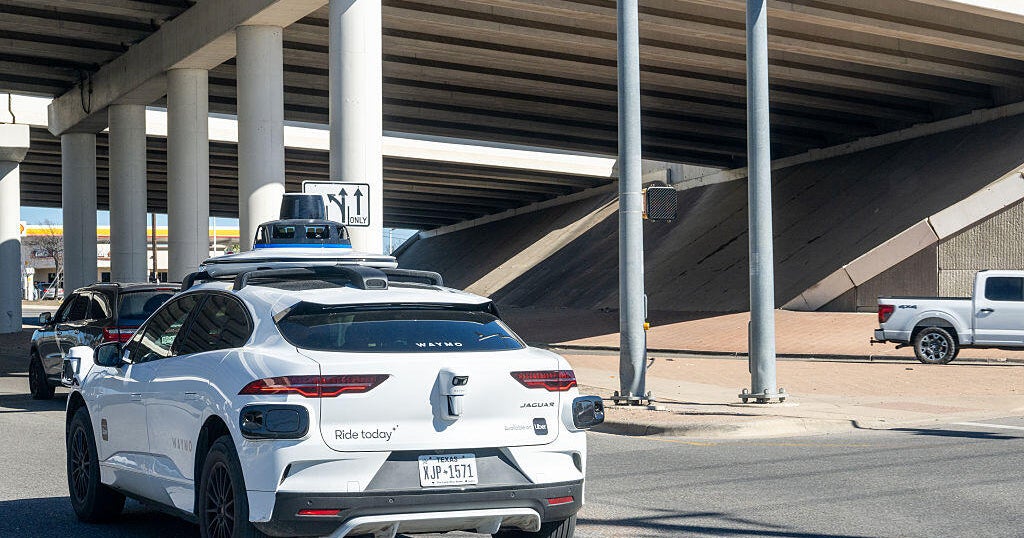
The National Transportation Safety Board announced Jan. 23 that it is opening an investigation into Waymo after at least 19 incidents in Austin, Texas, where the company's robotaxis failed to stop for school buses with lights flashing and stop arms extended, and it will issue a preliminary report within 30 days, officials confirmed.
The probe follows a Dec. recall by Waymo of more than 3,000 vehicles to update software that NHTSA had said caused vehicles to pass stopped school buses, and the National Highway Traffic Safety Administration opened a related investigation in October, according to agency records.
Waymo chief safety officer Mauricio Peña said in a statement that there were no collisions in the incidents and that the Waymo Driver "safely navigates thousands of school bus encounters weekly," while the Austin Independent School District said it asked Waymo to pause operations during bus loading times and that Waymo did not comply, marking a dispute between the parties.
At least two dozen violations have been recorded in Austin and Waymo recalled more than 3,000 vehicles in December, while the company's operations are expanding to Miami, Atlanta, Los Angeles, Phoenix and the San Francisco Bay Area, increasing the potential scope of the issue, records and local footage show.
The NTSB's investigation could take 12 to 14 months to complete and will include on-site interviews and data collection in Austin, with the board publishing a final report and possible non-binding safety recommendations after the probe concludes.
Analysis
Center-leaning sources frame the story as a regulatory and safety issue by foregrounding the NTSB probe and multiple 'illegal' passings, citing local bus footage and prior NHTSA scrutiny. Editorial choices prioritize agency findings and incident detail while treating Waymo’s statements as source content, producing a cautious, accountability-focused narrative.