Myanmar Holds Final Vote as Military-Backed Party Nears Majority
Final round of voting on Jan. 26, 2025, was held in 61 townships as the USDP, with the military's 166 reserved seats, nears control of parliament.

 Al Jazeera
Myanmar holds final election round, military-backed party set to win
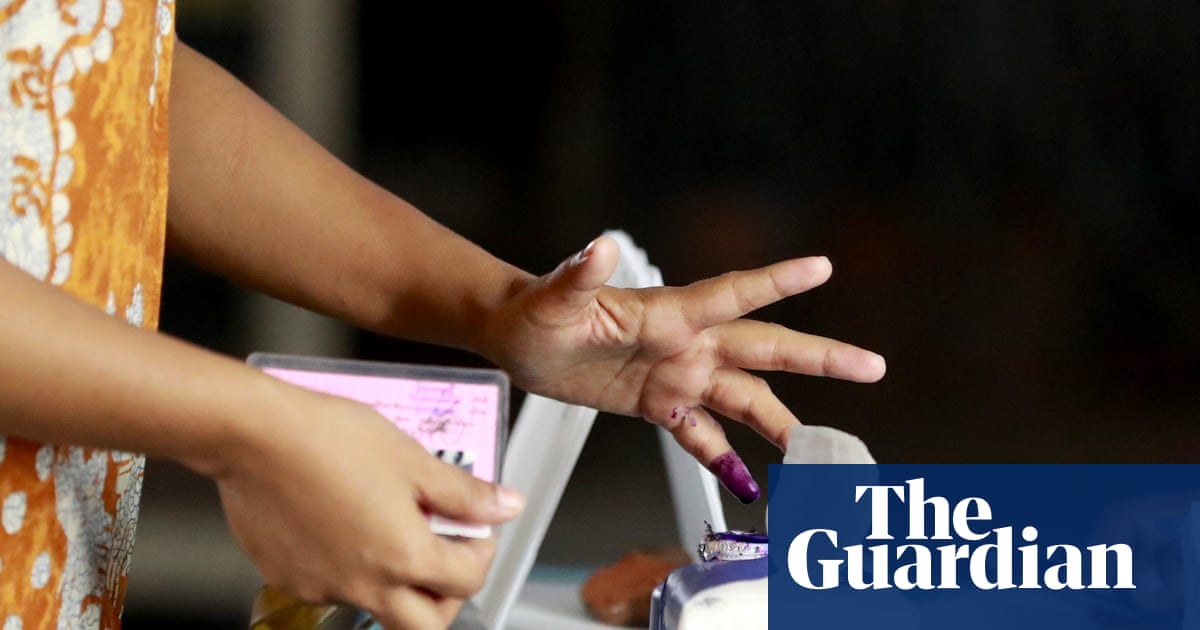
 The Guardian
Myanmar election enters final stage amid airstrikes and exclusions
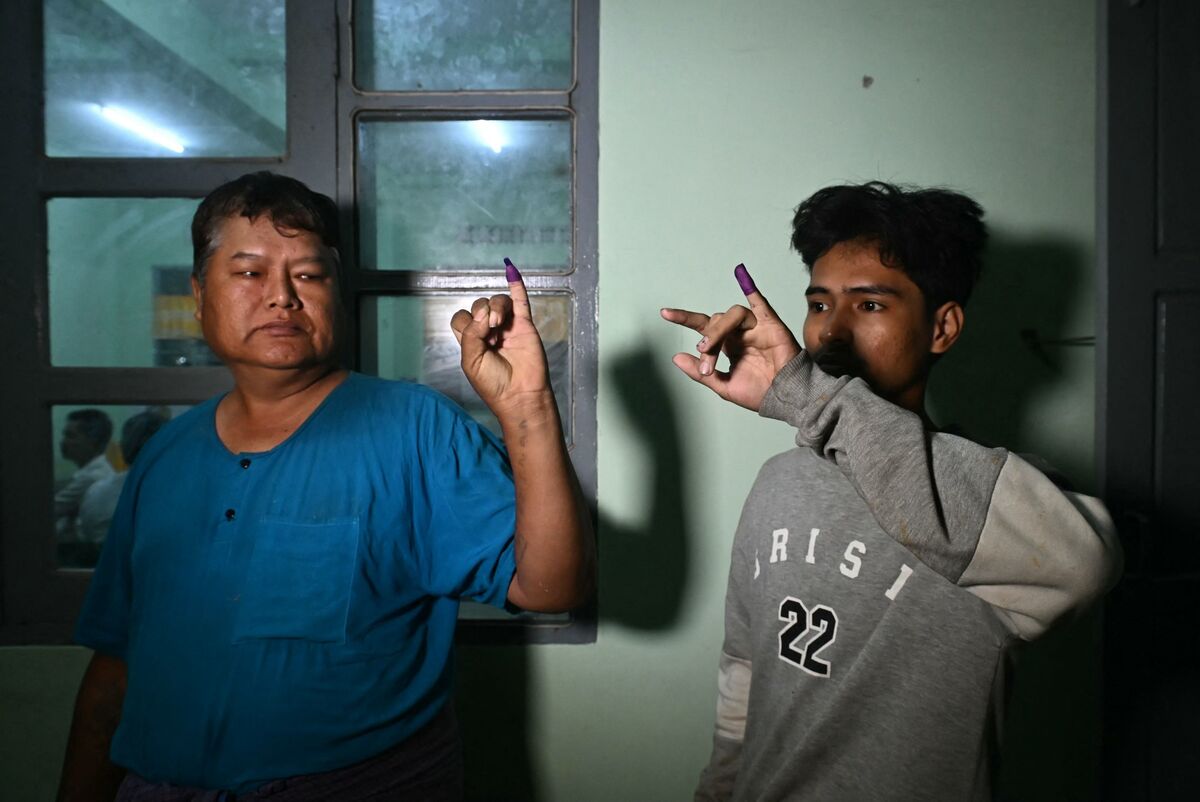
 Bloomberg
Myanmar Holds Final Phase of Election Dominated By Junta Allies
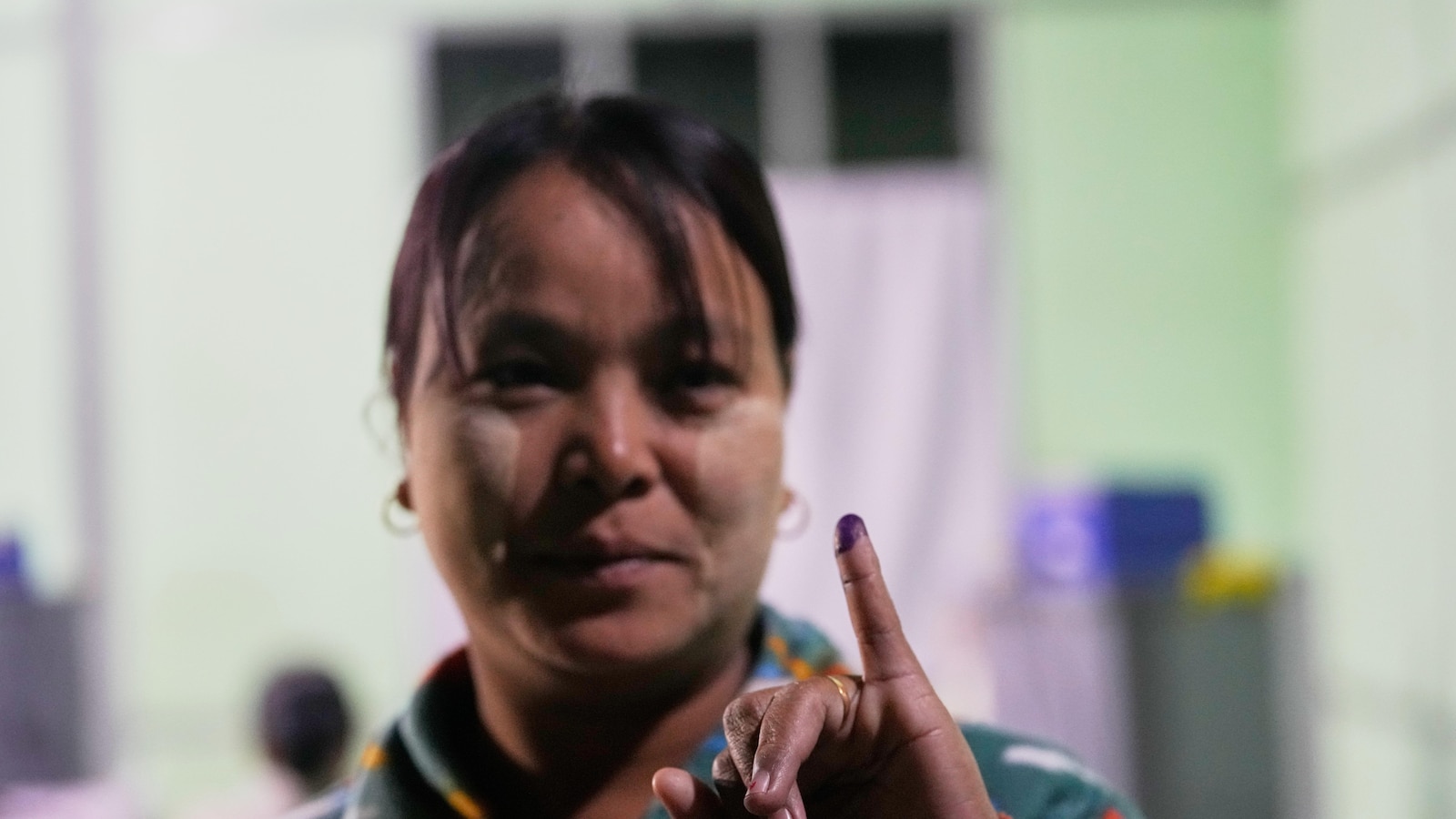
 ABC News
Myanmar holds its last election round with the army already certain to keep control over government
Overview
Voting was held on Jan. 26, 2025, in 61 townships from 6 a.m. to 4 p.m., and the army-backed Union Solidarity and Development Party, which won 233 seats in the first two rounds, is poised to secure a parliamentary majority, election officials said.
Security disruptions left 67 townships excluded from the three-stage vote, reducing the original 664 parliamentary seats to 586, and rights monitors said that the exclusion and the dissolution of the National League for Democracy undermined the election's legitimacy.
Malaysian Foreign Minister Mohamad Hasan told Parliament on Jan. 21, 2025, that ASEAN did not send observers and would not certify the vote, while U.N. special rapporteur Tom Andrews called the process "fraudulent" and urged its rejection, according to public statements.
Union Election Commission figures show the USDP won 233 seats in the first two rounds and, together with the military's constitutionally reserved 166 seats, its bloc already holds 399 seats—above the 294 needed to form a government.
Final results are expected later this week, and the military government announced Parliament will convene in March 2025 with a new government to take office in April 2025, a timetable that analysts say could culminate in Senior Gen. Min Aung Hlaing assuming the presidency.
Analysis
Center-leaning sources frame Myanmar’s election as largely illegitimate, emphasizing military dominance, legal constraints, and suppressed participation. Editorial choices foreground facts (25% of seats reserved for the military; dissolution and imprisonment of Aung San Suu Kyi’s party; harsh election laws; large areas excluded from voting) while treating regime statements as rebuttal.