Minn. Judge Summons Acting ICE Director, Warns Of Contempt
Chief U.S. District Judge Patrick Schiltz ordered Acting ICE Director Todd Lyons to explain why a Jan. 15 release order was not followed.
 The Blaze
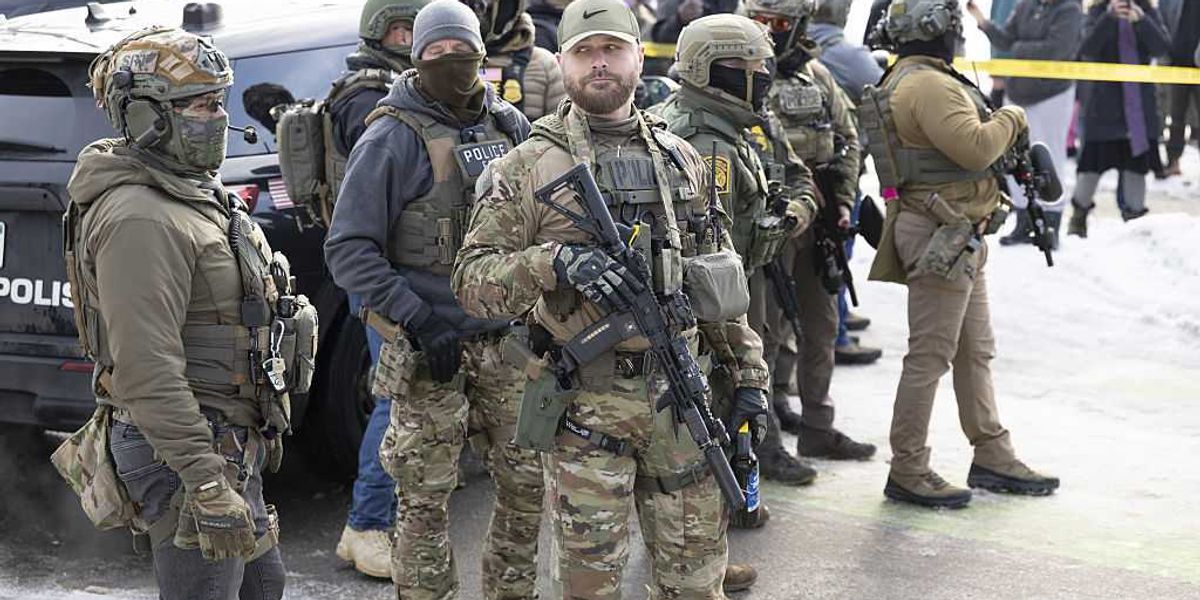
ICE unleashed: Agents can once again fend off agitators after court torpedoes Biden judge's injunction
 Daily Signal
Appeals Court Sides With Trump, ICE in Minnesota Civil Rights Case
 The Guardian
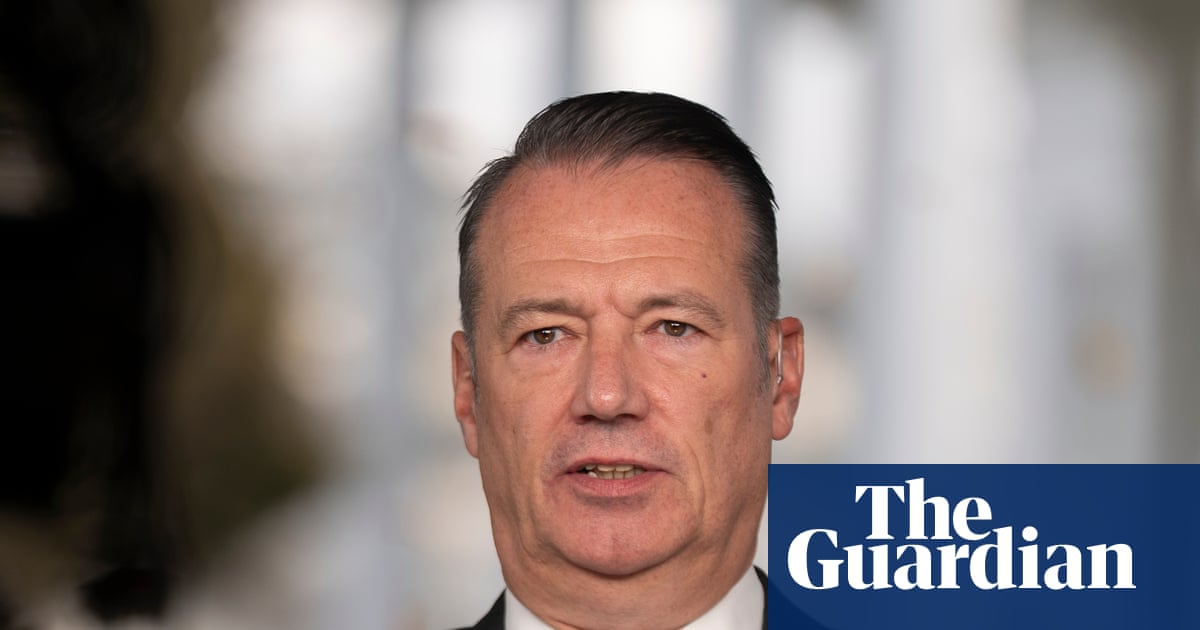
Minnesota judge summons acting ICE director, warns of contempt over court defiance
 Newsmax
Judge Threatens ICE Chief Over Minn. Immigration Enforcement
Overview
Chief U.S. District Judge Patrick Schiltz issued a three-page order summoning Acting ICE Director Todd Lyons to federal court to show cause why Lyons should not be held in contempt after a man ordered released on Jan. 15 remained in custody, according to the order.
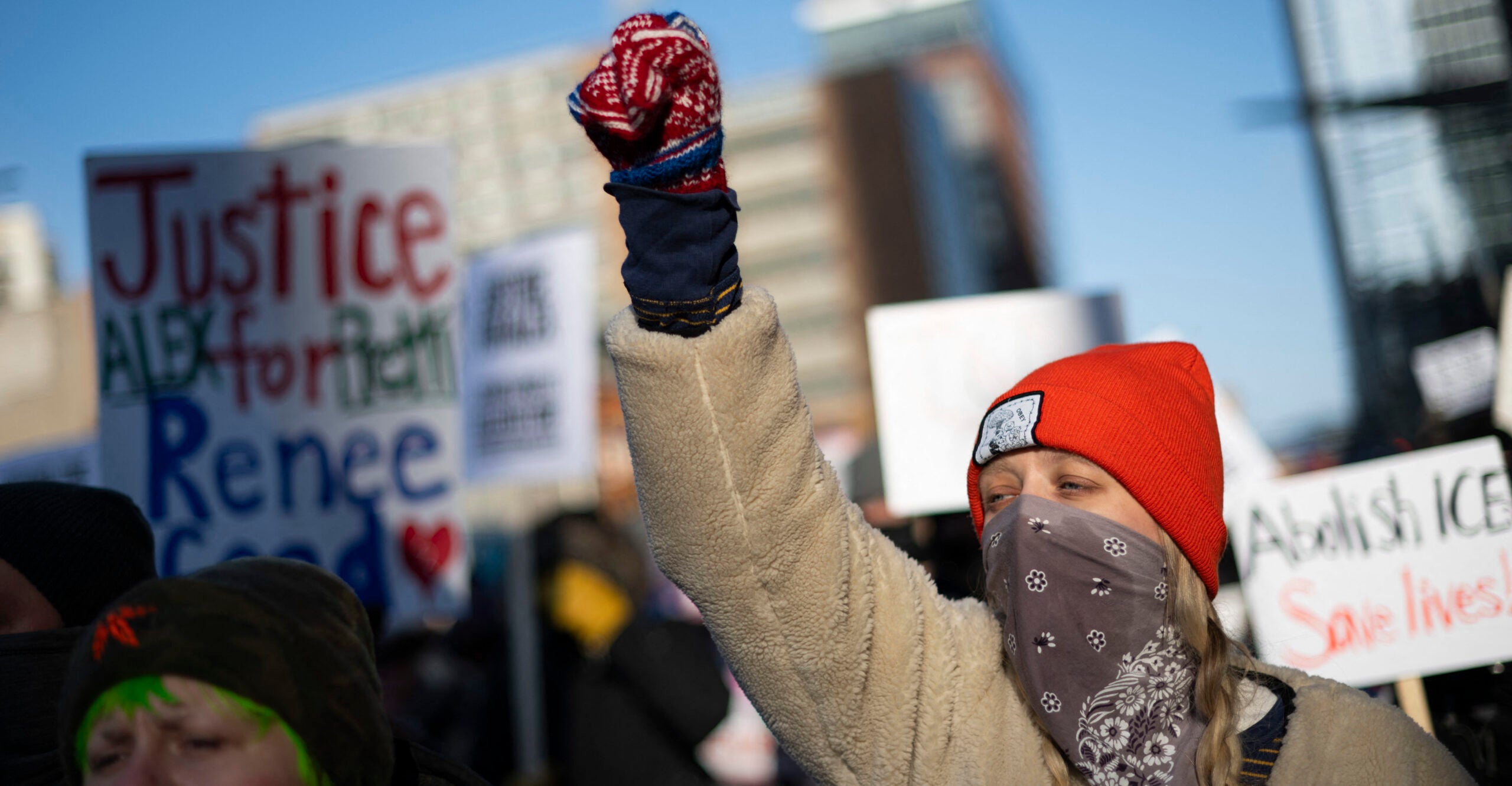
The order is the latest sign of judicial frustration with Operation Metro Surge, the federal immigration enforcement campaign that followed the Jan. 7 killing of Renee Nicole Good and the Jan. 24 fatal shooting of Alex Pretti, court filings show.
The Department of Homeland Security said it would investigate the Jan. 24 shooting of Alex Pretti, while Minnesota investigators and former federal prosecutors said the Justice Department's Civil Rights Division would ordinarily probe use-of-force cases, officials and interviews show.
Court and state filings say Operation Metro Surge has produced more than 3,000 arrests over the past two months and forced Minneapolis to pay millions of dollars in police overtime, according to filings.
Several Minnesota federal judges, including U.S. District Judge Katherine Menendez and U.S. District Judge Michael Davis, are weighing broader legal challenges that could curtail or halt Operation Metro Surge while the Eighth U.S. Circuit Court of Appeals considers appeals, court transcripts show.
Analysis
Center-leaning sources frame the story as a departure from decades of federal-local cooperation, foregrounding state resistance and civil‑rights concerns. They prioritize state legal actions and experts critical of federal tactics, use terms like 'unprecedented' and 'broken relationship,' and sequence federal denials later, creating a narrative of federal overreach.