Philadelphia Sues Interior Over Removal Of Slavery Exhibit
City seeks injunction to restore panels removed from the President's House memorial to nine enslaved people.
 Epoch Times
National Parks Service Removes Slavery Exhibit in Philadelphia
 Salon
SalonPhiladelphia sues after Trump orders removal of slavery exhibit
 ABC News
Philadelphia sues over removal of slavery exhibit
 NBC News
Philadelphia sues after slavery exhibits were taken down from President's House site
Overview
The City of Philadelphia filed a federal lawsuit Thursday seeking a preliminary injunction to restore panels removed from the President's House site that memorialized nine enslaved people, according to court documents.
The removals followed Executive Order No. 14253, signed by President Donald Trump in March 2025, which directed federal agencies to review interpretive materials for "accuracy, honesty, and alignment with shared national values," an Interior Department statement said.
Philadelphia City Council President Kenyatta Johnson called the removals an effort to "whitewash American history," while White House spokesman Davis Ingle said in a statement that President Donald Trump "continues to fulfill his promise to restore truth and common sense," city and White House statements show.
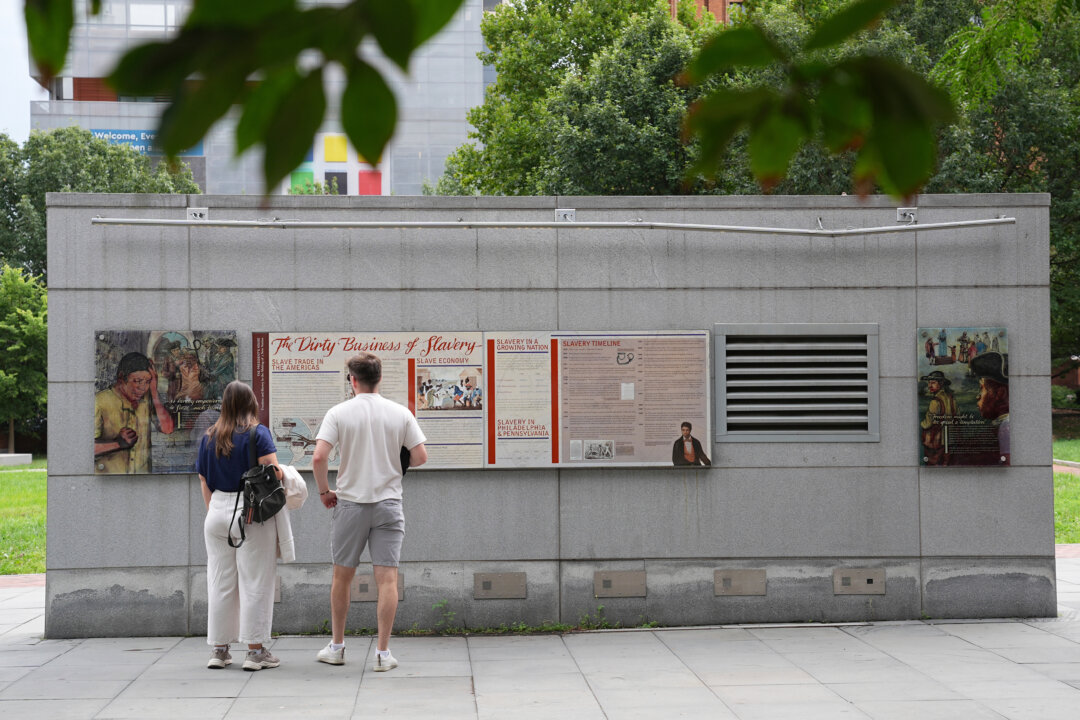
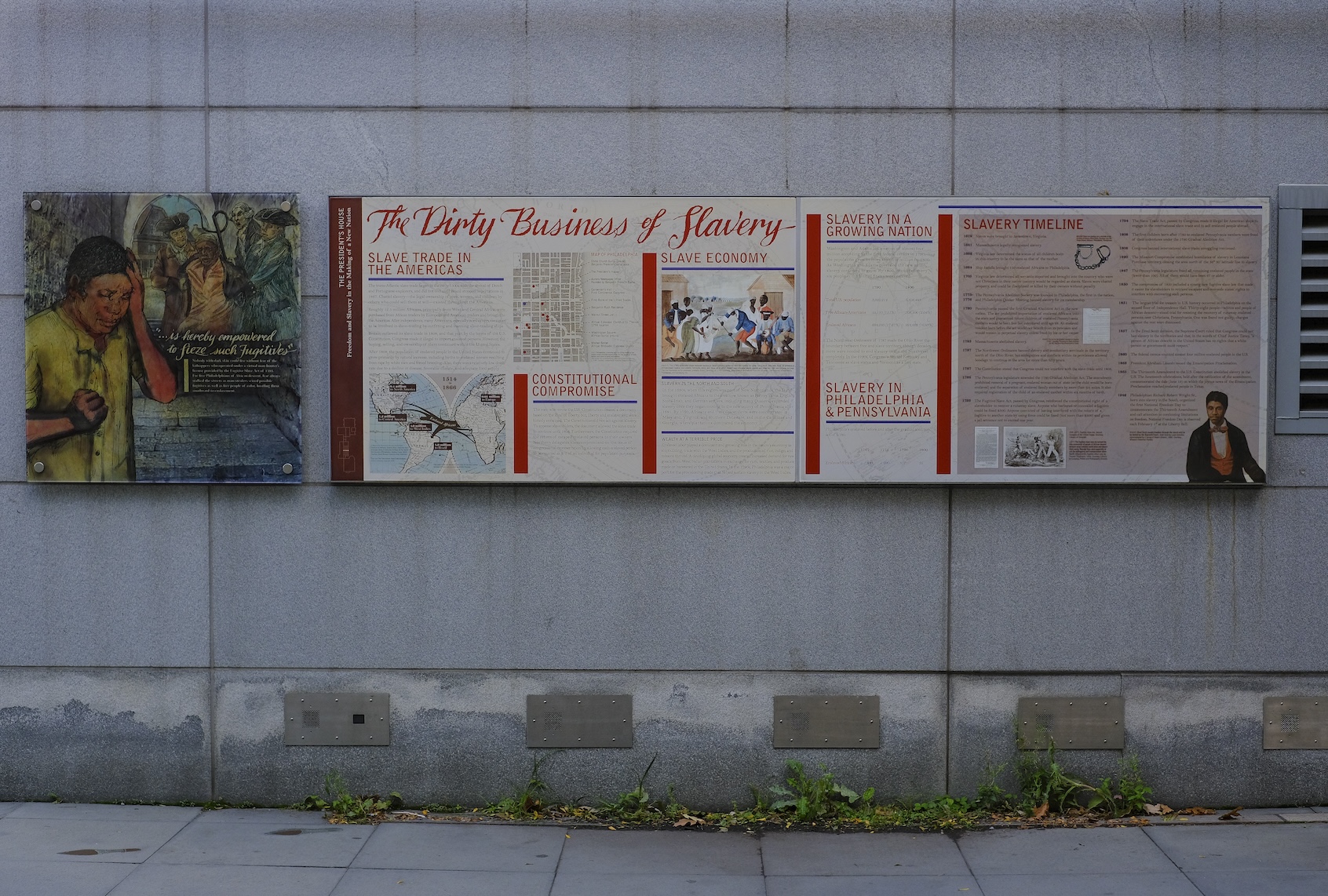
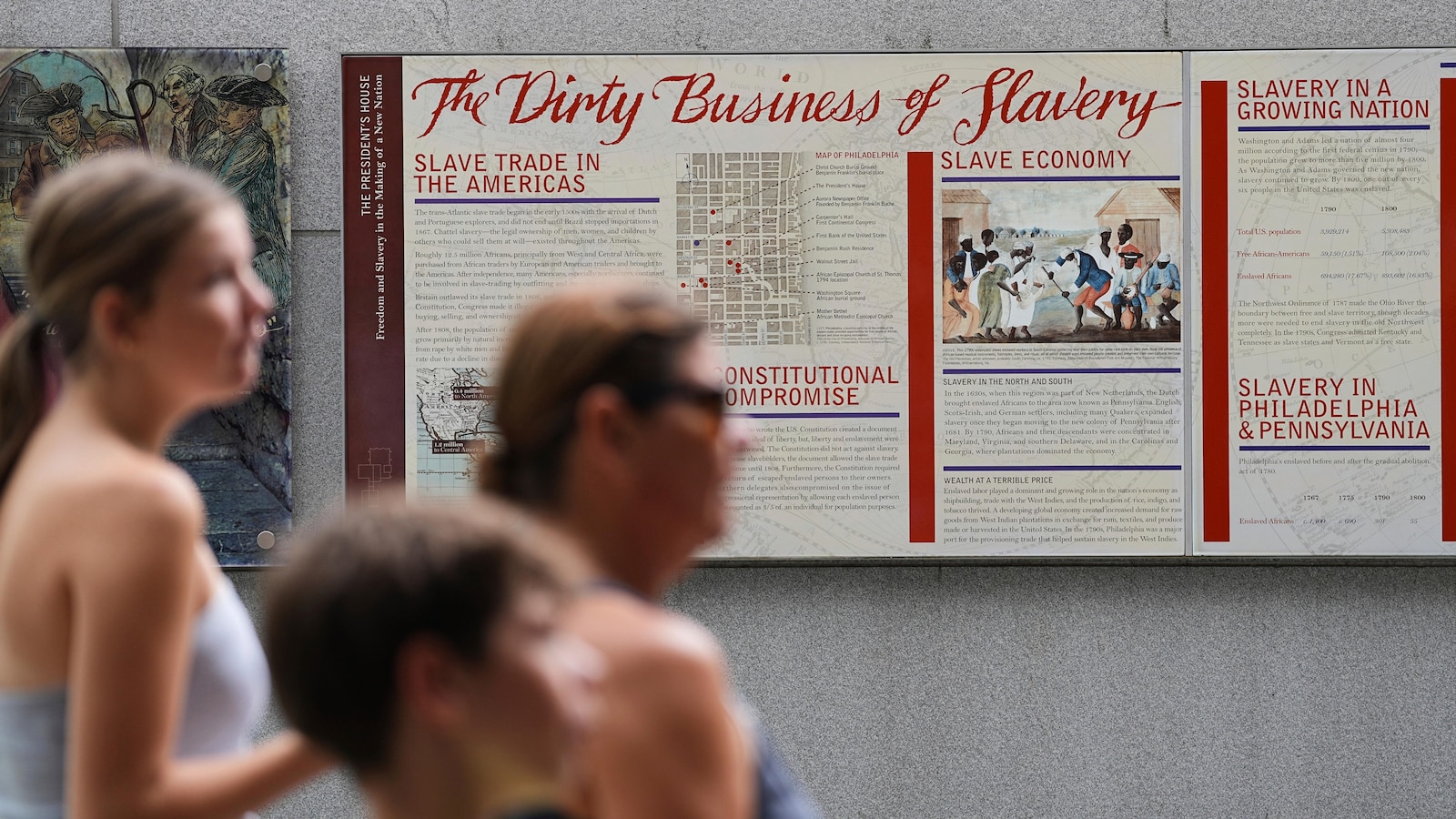
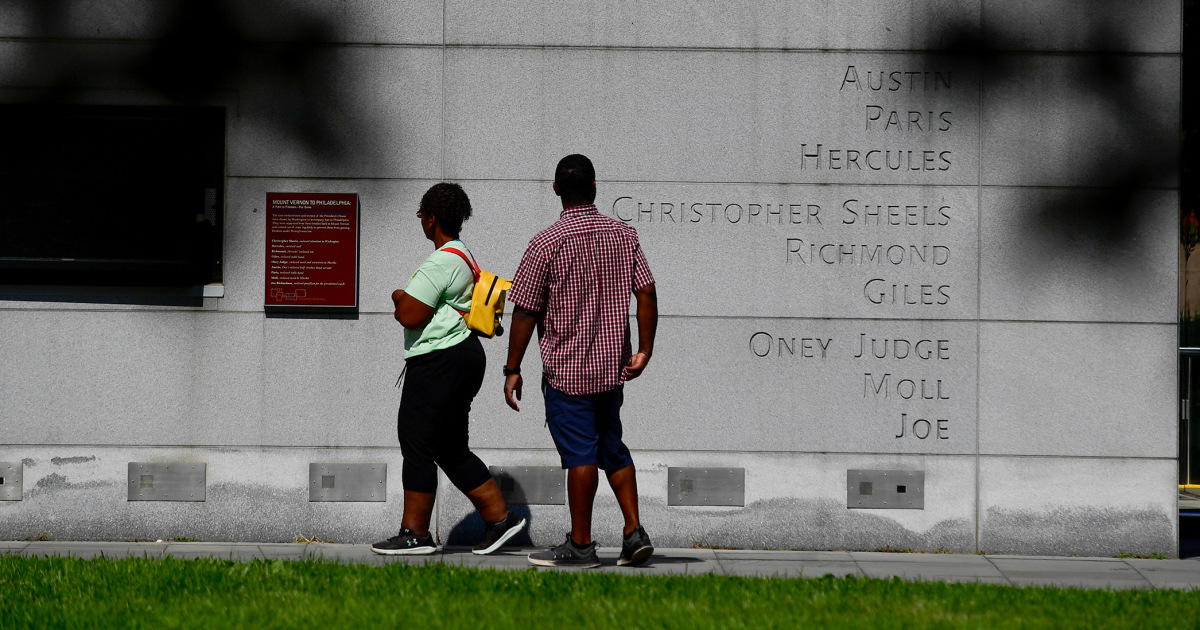
The panels were part of the "Freedom and Slavery in the Making of a New Nation" exhibit that opened in 2010 and commemorated nine enslaved people, including Oney Judge, and the city says a 2006 cooperative agreement bars unilateral alterations, court filings and National Park Service records show.
The lawsuit asks a judge to order the National Park Service to restore the displays during litigation, and the Interior Department said it is implementing the executive order while the agency completes its review, officials confirmed.
Analysis
Center-leaning sources frame this coverage as a critique of the administration’s removal of slavery exhibits, emphasizing erasure and moral insult through evocative imagery ('empty bolt holes, shadows'), loaded verbs ('desecration,' 'whitewashing'), and prioritized critical voices (civil-rights advocates, local officials), while offering only brief, defensive Department statements, minimizing pro-removal rationale.