Bulletin Advances Doomsday Clock to 85 Seconds Amid Nuclear, Climate and AI Risks
The Bulletin of the Atomic Scientists set the Doomsday Clock to 85 seconds to midnight on Jan. 27, citing nuclear threats, climate extremes and AI misuse.
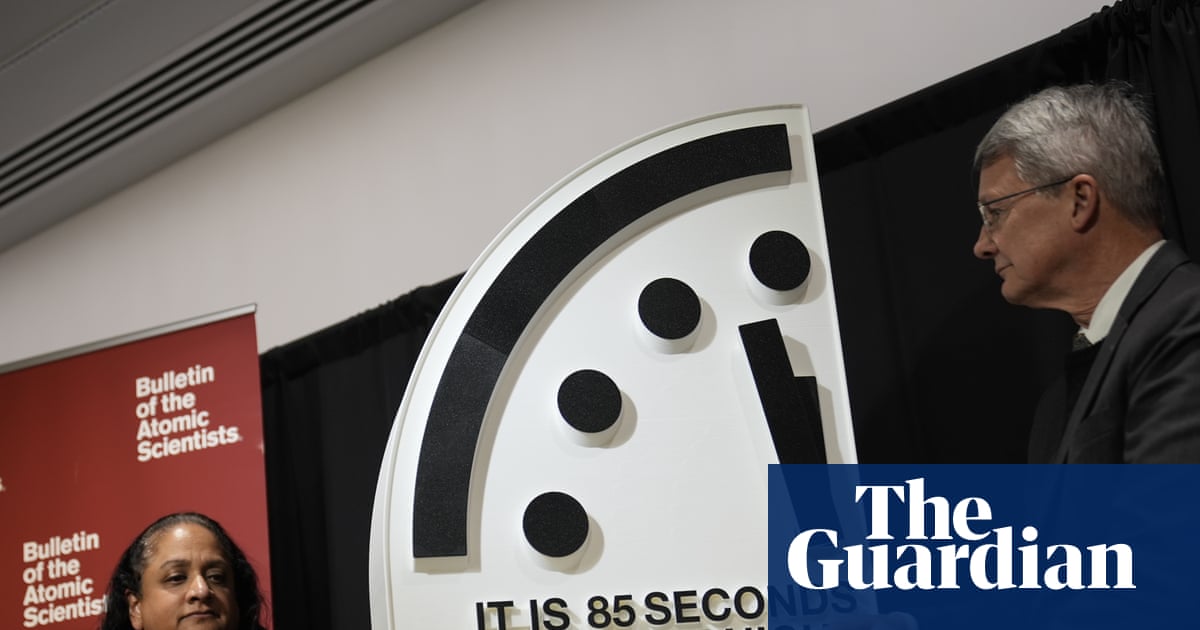
 The Guardian
Doomsday Clock at 85 seconds to midnight amid threats from climate crisis and AI

 CNET
CNETThe Doomsday Clock Jumps Closer to Midnight. AI Is a Big Reason Why
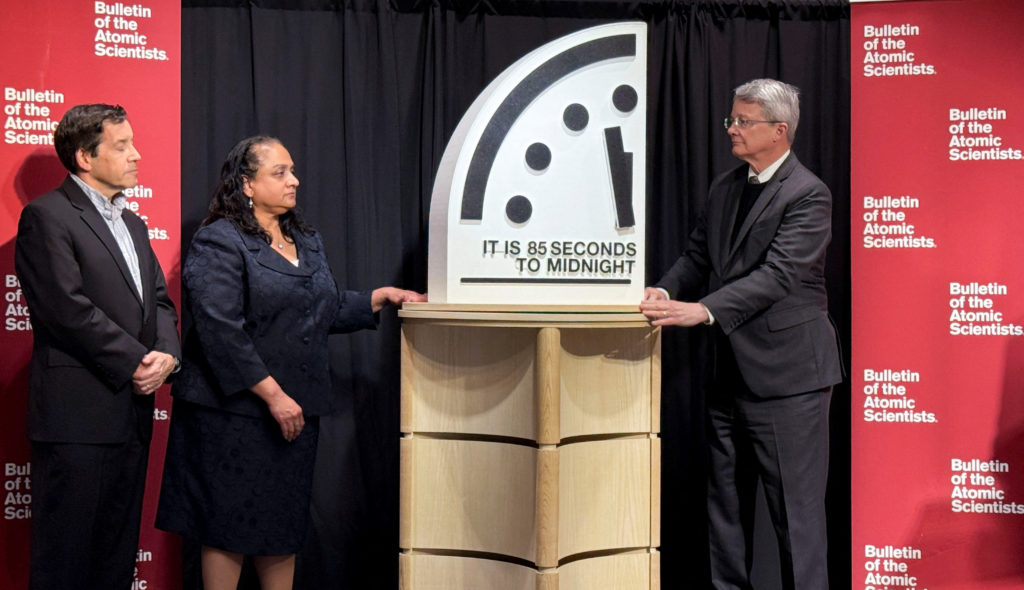
 PBS NewsHour
'Doomsday Clock' ticks closer to midnight amid threats from AI, climate change and nuclear war
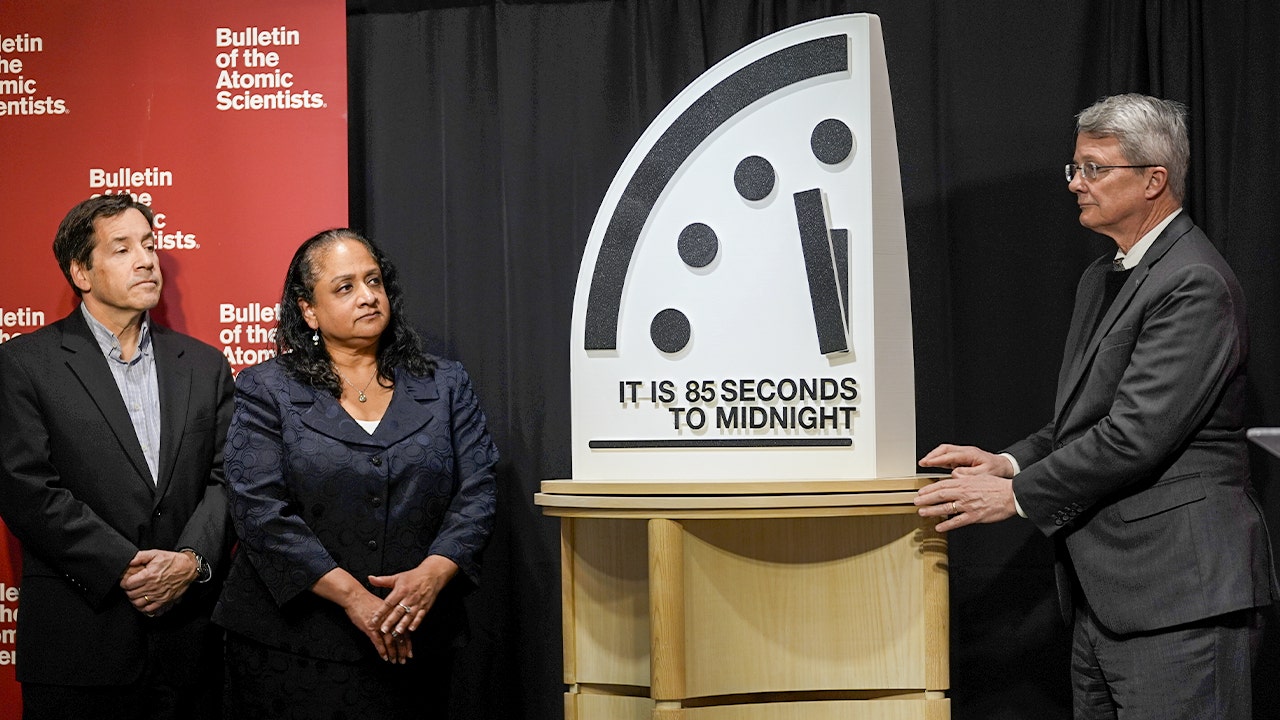
 FOX News
'Doomsday Clock' ticks closer to midnight over global threats, group says
Overview
The Bulletin of the Atomic Scientists set the Doomsday Clock to 85 seconds to midnight on Jan. 27, moving it four seconds closer than the 89 seconds set on Jan. 27, 2025, officials confirmed.
The change reflects increased risks from nuclear weapons, climate change, potential misuse of biotechnology and the rapid, unregulated deployment of artificial intelligence, the Science and Security Board said.
Daniel Holz, chair of the Science and Security Board, warned in a Jan. 27 announcement that collapsing global norms and an accelerating great-power competition are undermining cooperation, increasing existential risks.
The Bulletin noted specific concerns including the Russia-Ukraine war, the May 2025 India-Pakistan conflict, strikes on Iran last summer by U.S. and Israeli forces, and failed climate agreements, according to the Jan. 27 statement.
The group recommended renewing U.S.-Russia arms dialogue, coordinated biosecurity measures and international limits on military AI, and said the clock could be turned back if leaders acted, Alexandra Bell said.
Analysis
Center-leaning sources collectively frame the Doomsday Clock update as an urgent, crisis-driven warning by emphasizing proximity to catastrophe, leadership failure, and accelerating threats. Editorial choices—alarmist headlines, loaded descriptors ('ominous', 'apocalypse', 'running out of time'), prioritizing Bulletin experts and scarce skeptical voices—create an urgent, action-focused narrative. Direct quotes from the Bulletin remain source content.