Italy Keeps ICE Advisory at Olympics, Retains Control of Security
Italy will lead all Olympic security operations and house ICE advisers at the U.S. consulate, officials confirmed.

 Al Jazeera
Italy’s Winter Olympics security plan keeps ICE in advisory role
 Newsmax
Italy's Olympic Security Plan Keeps ICE in Advisory Role
NewsmaxItaly's Olympic Security Plan Keeps ICE in Advisory Role
 NPR
NPRItalian officials voice outrage at the presence of U.S. ICE agents at the 2026 Olympics
Overview
Italy's Interior Minister Matteo Piantedosi said on Jan. 24 that Italy will retain exclusive command of all security operations for the Milan-Cortina Winter Olympics running Feb. 6-22 and will station ICE Homeland Security Investigations advisers at the U.S. consulate in Milan, officials confirmed.
The announcement follows a State Department notice that several U.S. federal agencies, including U.S. Immigration and Customs Enforcement, would support protection of the U.S. delegation led by Vice President JD Vance and Secretary of State Marco Rubio, prompting public alarm after the Jan. 2026 killings of Renee Nicole Good and Alex Pretti in Minneapolis, Italian media reported.
U.S. Ambassador Tilman J. Fertitta wrote on X that HSI agents will play a strictly advisory, intelligence-based role with no patrolling or enforcement, and the Italian Interior Ministry said ICE staffers would "not on the ground" and would be confined to diplomatic offices, officials confirmed.
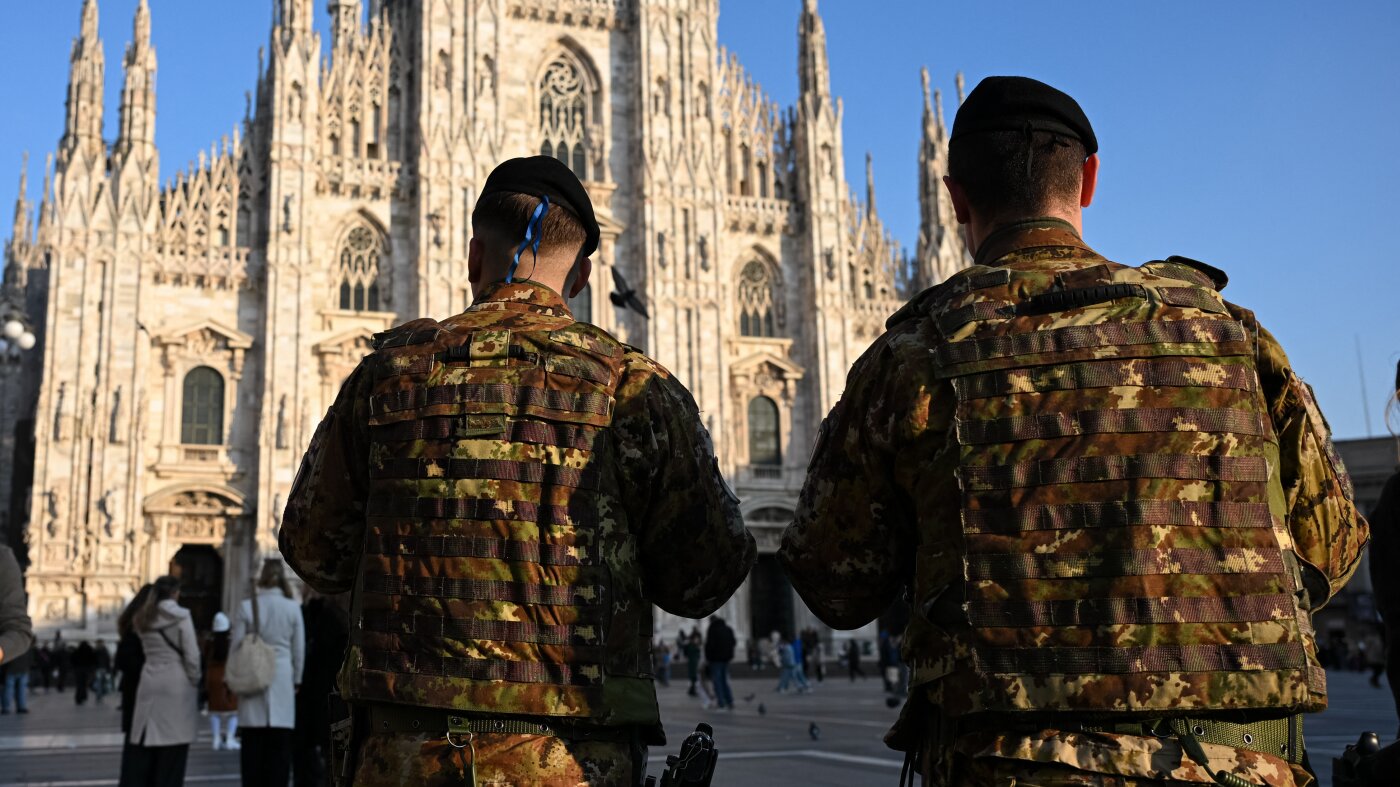
The deployment will assign about 6,000 law enforcement officers across Olympic venues, including more than 3,000 regular police officers, some 2,000 Carabinieri and over 800 Guardia di Finanza, while authorities will activate red zones and use drone surveillance and a 24-hour cybersecurity control room in Milan, official plans show.
Opposition and left-wing groups have scheduled protests, including an "ICE OUT" rally in Milan on Feb. 6, and lawmakers from the Green and Left Alliance and Azione petitioned to bar ICE, raising the prospect of diplomatic clarification before the Games open.
Analysis
Center-leaning sources frame the story as a controversy by foregrounding Italian outrage, using loaded headlines ("outrage," "fury") and leading with the mayor's "militia that kills" remark (source content). Editorial choices—selection of multiple critical Italian voices, repeated links to Minneapolis shootings, and relegating DHS reassurances—amplify conflict.