Philip Glass Withdraws 'Lincoln' Premiere Citing Kennedy Center Leadership
Composer Philip Glass said he withdrew Symphony No. 15 'Lincoln' after the Kennedy Center adopted new leadership and an informal 'Trump-Kennedy Center' name.
 CBS News
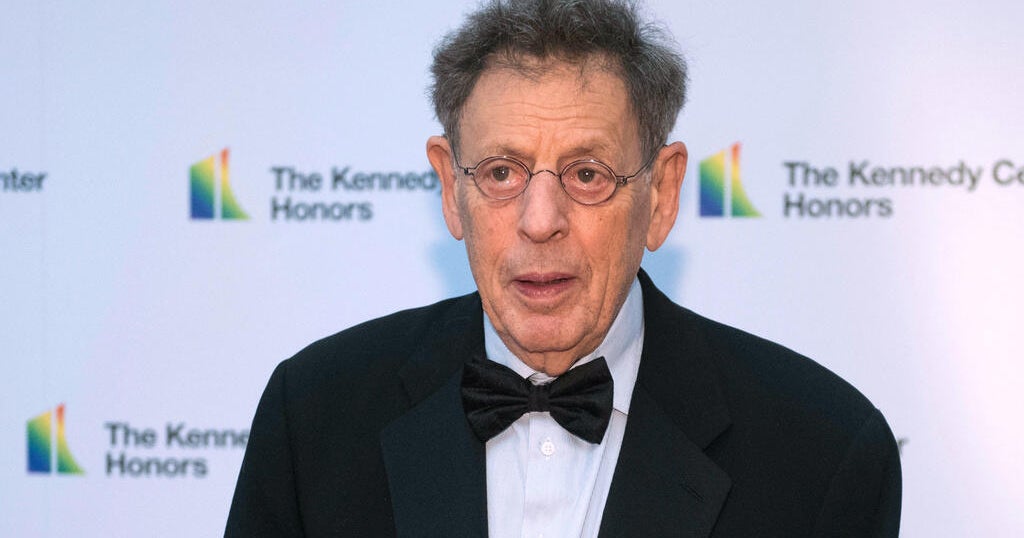
Philip Glass withdraws premiere of new symphony from Kennedy Center, saying values are in "direct conflict"

 Boston Herald
Philip Glass cancels Kennedy Center symphony premiere in protest of Trump’s leadership

 USA TODAY
All the performers who canceled shows at Trump's Kennedy Center
 Breitbart News
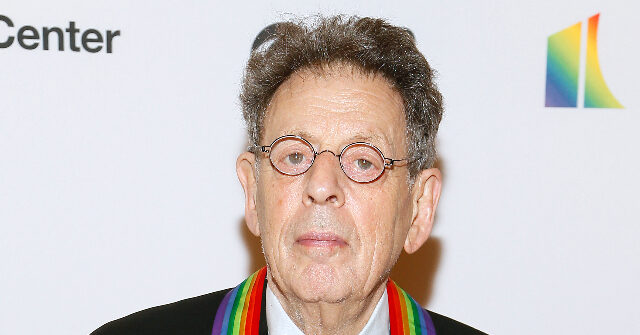
Composer Philip Glass Cancels Kennedy Center 'Lincoln' Premiere in Protest of Trump’s Leadership
Overview
Philip Glass, 88, announced on Jan. 27 that he withdrew Symphony No. 15 "Lincoln" from scheduled world premiere performances on June 12 and June 13 at the Kennedy Center, saying its current leadership conflicts with the symphony's message.
The withdrawal follows President Donald Trump's installation of a new board of trustees and the informal renaming of the institution as the Trump-Kennedy Center, moves that have prompted multiple artist cancellations, according to public statements and center records.
Roma Daravi, vice president of public relations at the Trump-Kennedy Center, told CBS News that "we have no place for politics in the arts" and accused "leftist activists" of pressuring artists to cancel performances.
Jean Davidson, executive director of the National Symphony Orchestra, said the orchestra "was surprised to learn about his decision at the same time as the press," and the center's schedule shows the orchestra had planned performances on June 12-13.
Other high-profile cancellations include Renée Fleming and Bela Fleck, and the board's vote last month to add President Trump's name to the building's exterior has drawn criticism from Democratic lawmakers who said the change requires congressional action.
Analysis
Center-leaning sources frame the story as an arts-world backlash against Trump's 'takeover' of the Kennedy Center, emphasizing cancellations and value conflicts. Loaded verbs ('takeover', 'revamped') and prioritized voices (Glass, Rae, Schwartz) foreground dissent; Kennedy Center responses are quoted but positioned later, producing a narrative of institutional upheaval and cultural protest.