White House Slams Springsteen's Anti-ICE Song As 'Irrelevant' And 'Inaccurate'
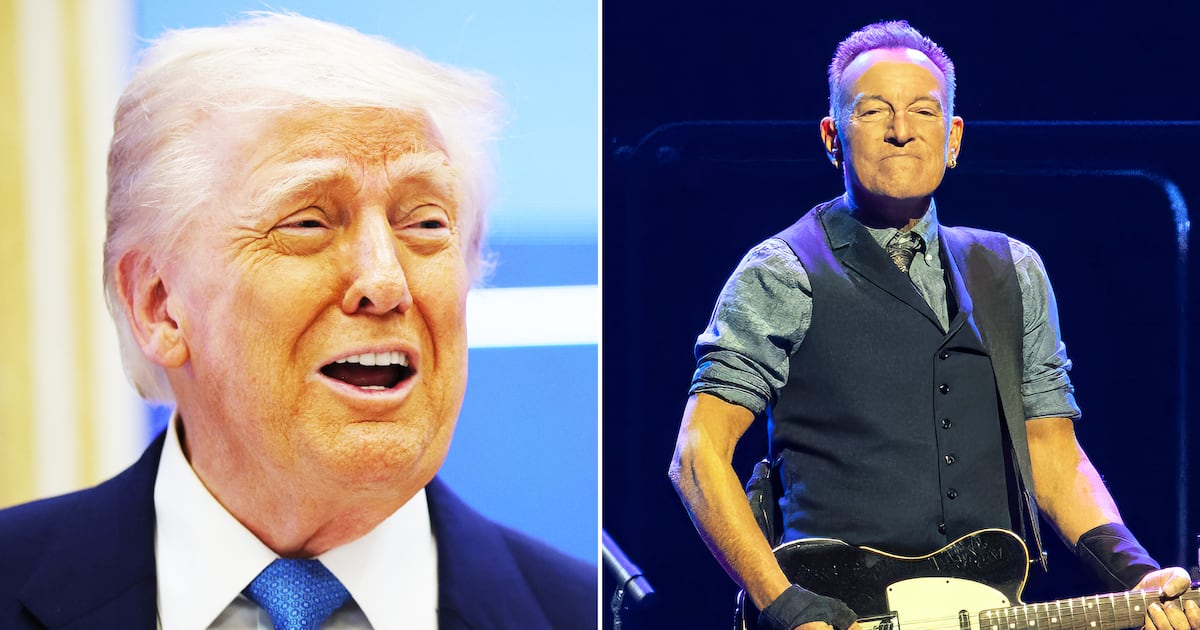
White House spokeswoman Abigail Jackson called Bruce Springsteen’s 'Streets of Minneapolis' inaccurate and irrelevant in a Jan. 28 statement criticizing his portrayal of federal actions in Minneapolis.




Overview
White House spokeswoman Abigail Jackson issued a Jan. 28 statement calling Bruce Springsteen’s single "Streets of Minneapolis" inaccurate and "irrelevant," saying the Trump administration is focused on encouraging state and local Democrats to work with federal law enforcement on removing criminal illegal aliens.
Bruce Springsteen released "Streets of Minneapolis" on Jan. 28, 2026, saying he wrote it on Jan. 24 and recorded it on Jan. 27 and dedicating it to Alex Pretti and Renee Good, both 37, whom he said were killed by Immigration and Customs Enforcement agents, according to his statement and social posts.
The song's lyrics name President Donald Trump, White House deputy chief of staff Stephen Miller and Department of Homeland Security Secretary Kristi Noem and include audio from Minneapolis protests, a depiction the White House disputed as inaccurate, according to Jackson's Jan. 28 statement.
Approximately 3,000 federal agents have been deployed to Minneapolis as part of an immigration operation that preceded the killings of Alex Pretti and Renee Good, a deployment that local reports and eyewitness footage say disrupted daily life and sparked protests.
Springsteen said on Bluesky that the song was "in response to the state terror being visited on the city of Minneapolis" and dedicated it to Pretti and Good, while the White House urged media to report on Democrats' refusal to cooperate with federal law enforcement, marking conflicting accounts over the events.
Analysis
Center-leaning sources frame Springsteen’s release as a political protest, foregrounding emotive language, extended lyric excerpts and supportive celebrity responses while relegating administration rebuttals to brief quotes. Editorial choices — leads emphasizing denunciations, selective source amplification (artists, mayor) and vivid vocabulary like “fiery protest song” — steer readers toward sympathy with critics.