Supreme Court Cancels CK Hutchison Canal Concession
Panama’s Supreme Court voided the 2021, 25-year extension for CK Hutchison’s Panama Ports Company after an audit found about $300 million in alleged losses since 2021.
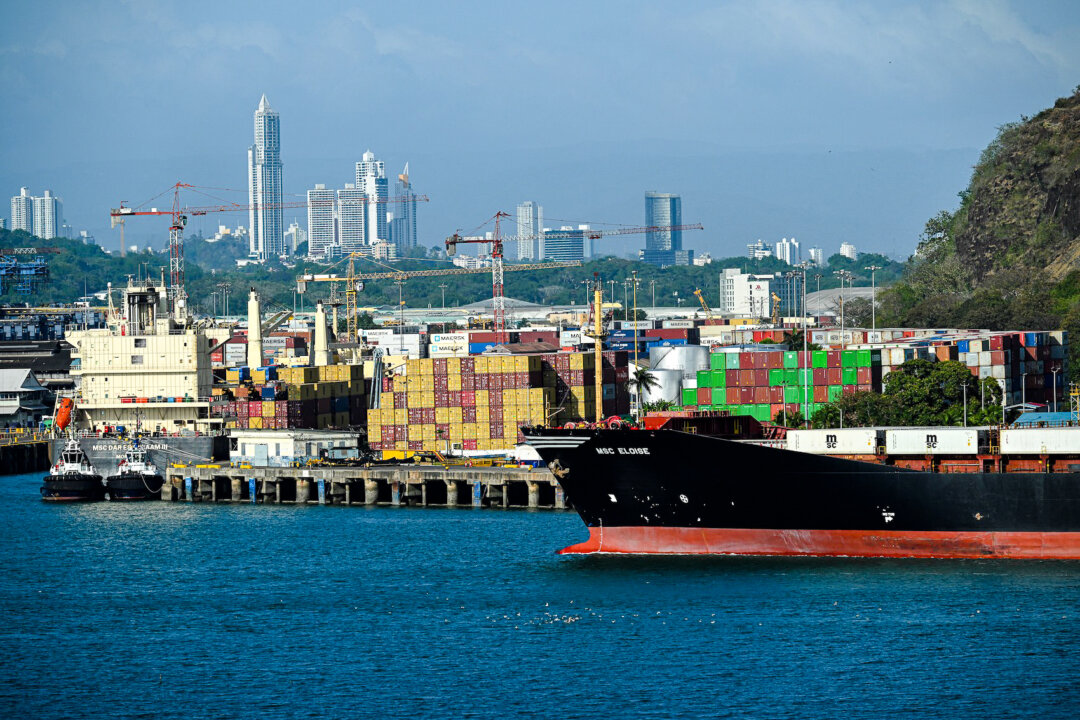
 Epoch Times
Court Rules CK Hutchison’s Control of Panama Canal Ports ‘Unconstitutional’
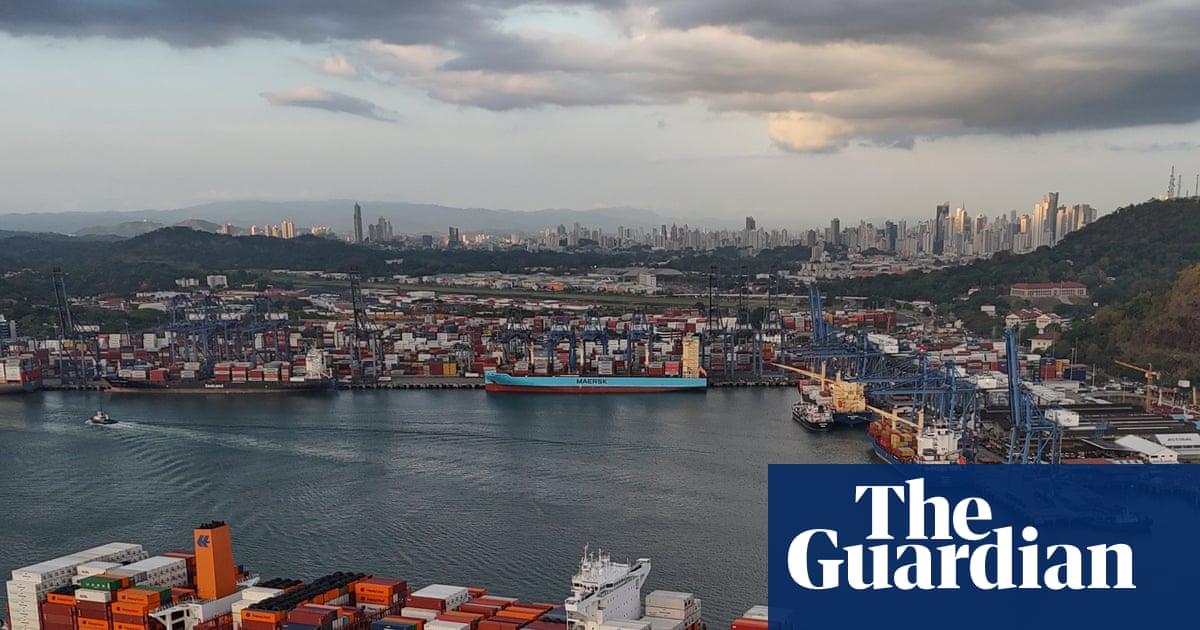
 The Guardian
Panama supreme court cancels Hong Kong company’s canal contracts

 Boston Herald
Panama Canal ports will keep operating after court finds concession unconstitutional, president says

 New York Daily News
Panama Canal ports will keep operating after court finds concession unconstitutional, president says
Overview
Panama’s Supreme Court ruled on Jan. 29 that laws underpinning the 2021, 25-year extension of the concession held by Panama Ports Company S.A., a subsidiary of Hong Kong’s CK Hutchison Holdings, were unconstitutional, voiding the contract, according to court documents.
The ruling follows a comptroller audit that alleged accounting errors, missed payments and ‘‘ghost’’ concessions that cost the government about $300 million since 2021, Comptroller Anel Flores said.
President José Raúl Mulino said in a recorded video address on Jan. 30 that the Panama Maritime Authority would work with Panama Ports Company to ensure ports at Balboa and Cristóbal continue operating until the court’s ruling is executed.
Panama Ports Company said it had not been notified of the decision and called the ruling without "legal basis," warning it jeopardizes the well-being of "thousands of Panamanian families," the company said in a statement.
Beijing rebuked the decision and China’s Foreign Ministry spokesperson Guo Jiakun said on Jan. 30 that China would take all necessary measures to safeguard the legitimate rights and interests of "the Chinese company," while Panama’s executive branch must decide next steps, officials said.
Analysis
Center-leaning sources frame Panama's court ruling as a chapter in US–China geopolitical rivalry, foregrounding concerns about Beijing's influence and suggesting a Washington 'victory.' Editorial choices — selecting political rhetoric, stressing Hong Kong ties, and pairing brief legal detail with geopolitical context — push readers toward international-security implications over local legal nuances.