Delcy Rodríguez Proposes Amnesty Bill to Free Political Prisoners
Rodríguez announced on Jan. 30 a general amnesty covering political offenses since 1999 that could free hundreds and ordered closure of El Helicoide.
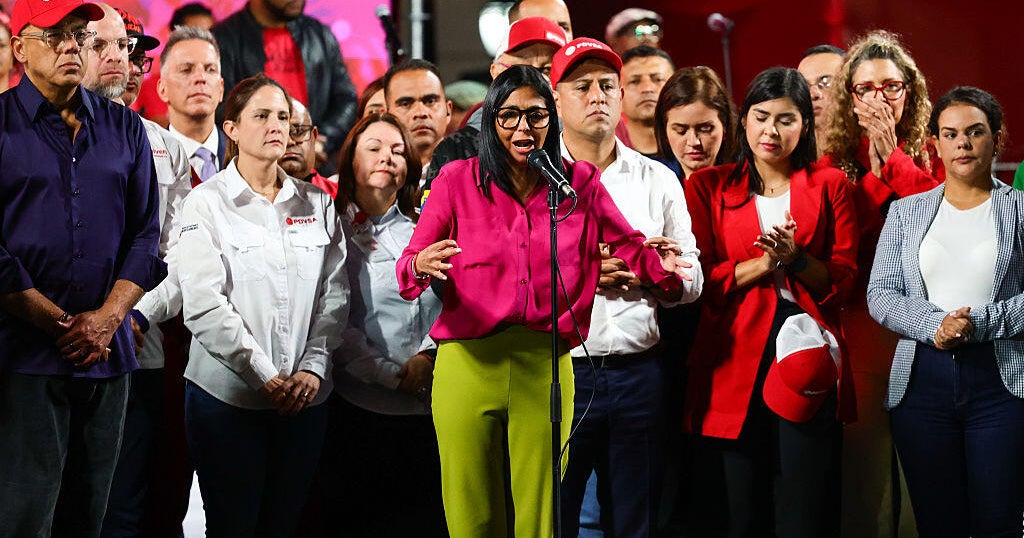
 CBS News
Venezuela's acting president proposes legislation that could lead to release of hundreds of political prisoners
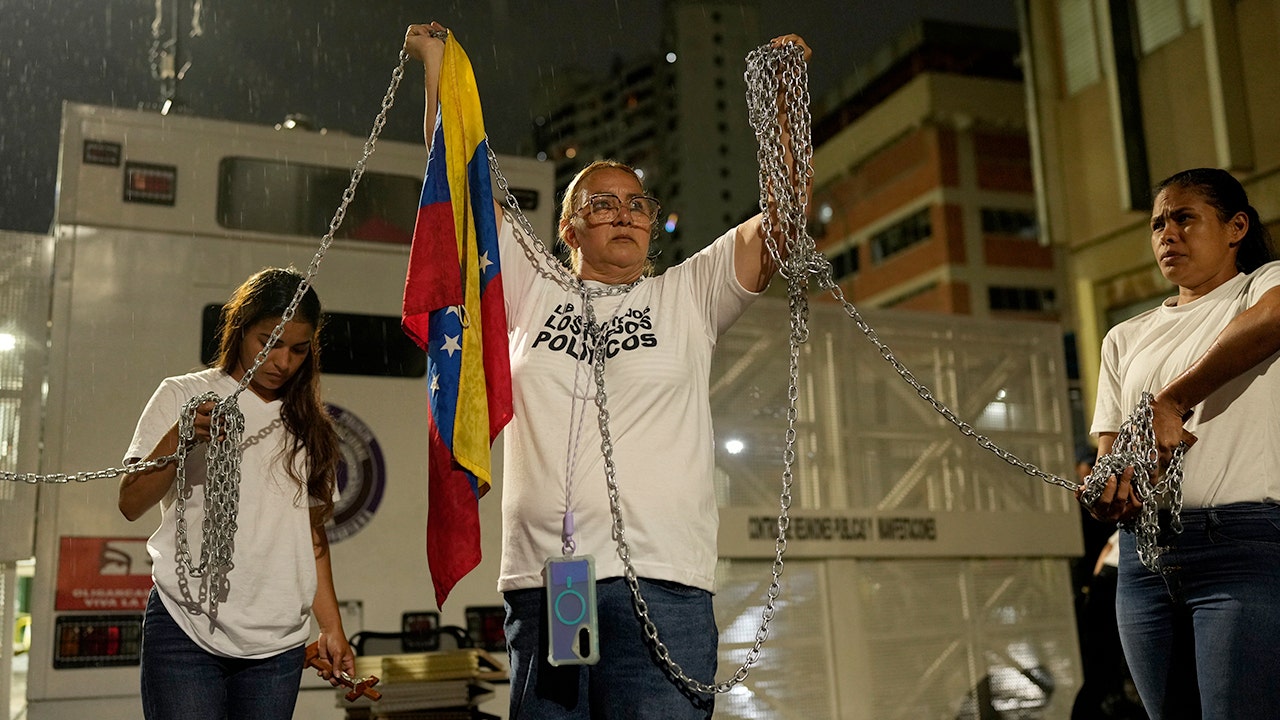
 FOX News
Hundreds of political prisoners in Venezuela could be released under new amnesty bill
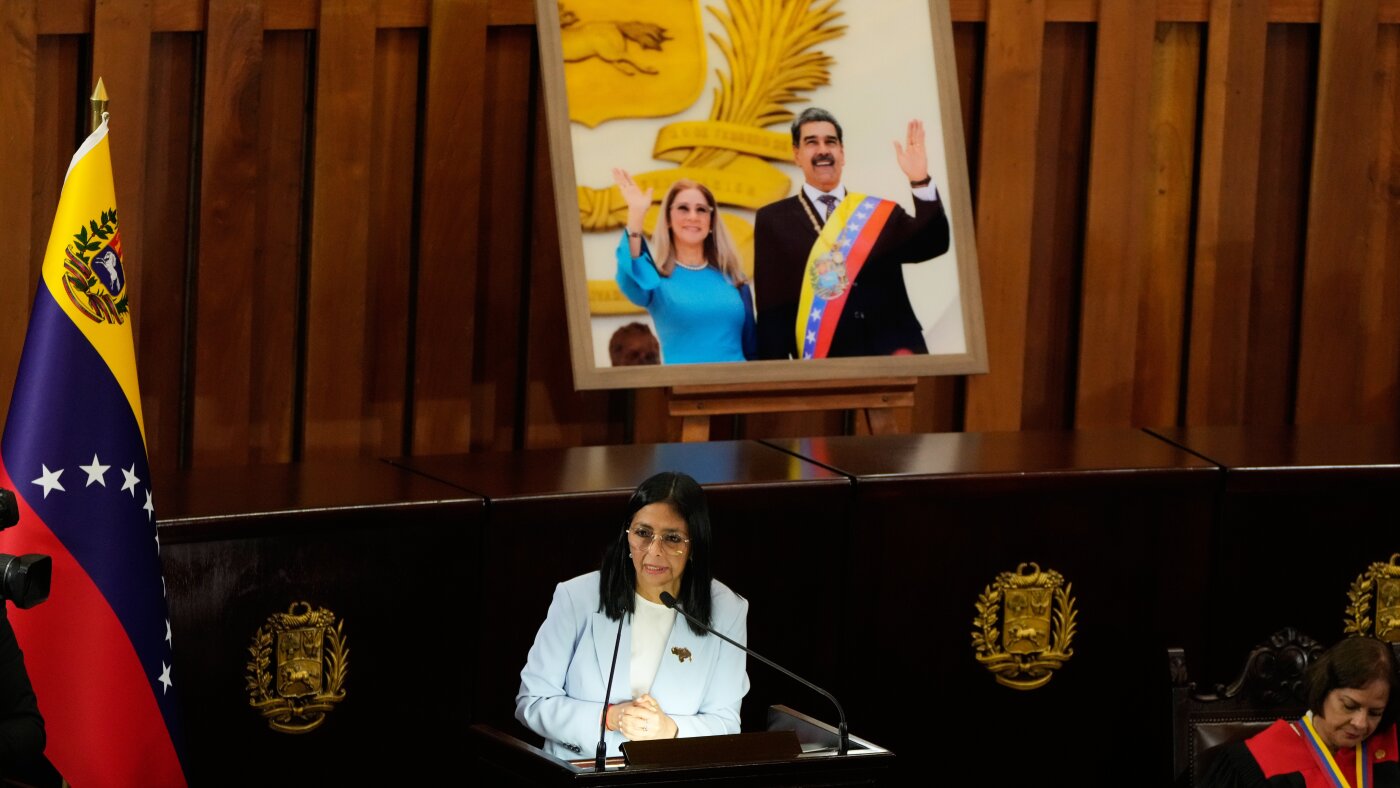
 NPR
NPRVenezuela announces amnesty bill that could lead to release of political prisoners

 Al Jazeera
Venezuela’s acting President Delcy Rodriguez announces prisoner amnesty
Overview
Acting President Delcy Rodríguez announced on Jan. 30 a general amnesty law covering political offenses from 1999 to the present and said the ruling-party National Assembly will take up the bill urgently.
Rodríguez said the measure could free hundreds of prisoners, naming opposition figures Freddy Superlano, Perkins Rocha and Juan Pablo Guanipa and excluding those convicted of murder, drug trafficking, corruption or human rights violations, she said.
The U.S. Embassy in Venezuela said on Jan. 30 that all known U.S. citizens held in Venezuela were released, and Yvan Gil posted that U.S. diplomat Laura Dogu traveled to Caracas on Jan. 31.
Foro Penal estimated 711 people remain detained for political activities with 183 sentenced and said 302 people have been released since Jan. 8, a tally government officials disputed without providing a timeline.
Rights group Provea and Foro Penal demanded independent verification and transparency, while opposition leader María Corina Machado said the moves were "in response to pressure from the U.S. government," signaling continued political contention.
Analysis
Center-leaning sources present the story framed as a reluctant government concession prompted by external pressure, emphasizing abuses and opposition voices while spotlighting emotional reactions. Language like "brazen seizure" and references to "torture" and NGO tallies foreground state culpability; government statements are noted but not fully developed, creating a critical narrative.