Chicago Mayor Orders Police To Investigate ICE Officers
The executive order directs Chicago Police to document alleged illegal conduct by ICE, preserve body-camera footage and issue implementation guidance within 30 days, officials said.
 The Guardian
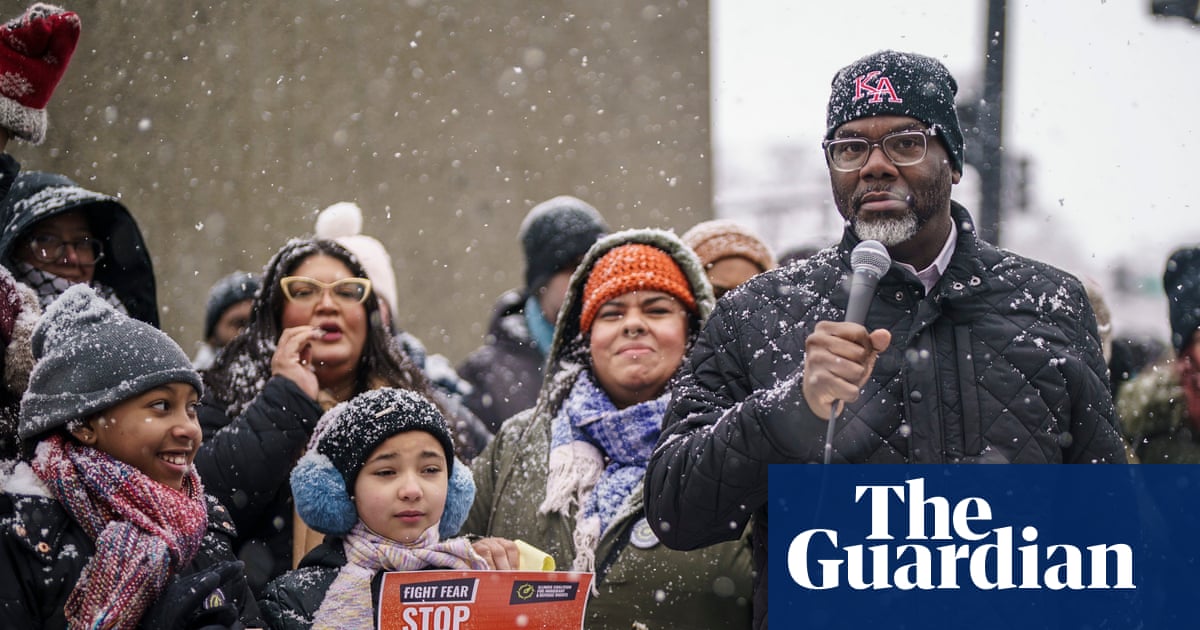
Chicago mayor orders police to investigate alleged illegal ICE activity in city

 CNN
CNNChicago mayor signs executive order calling on police to investigate federal immigration agents accused of misconduct
 FOX News
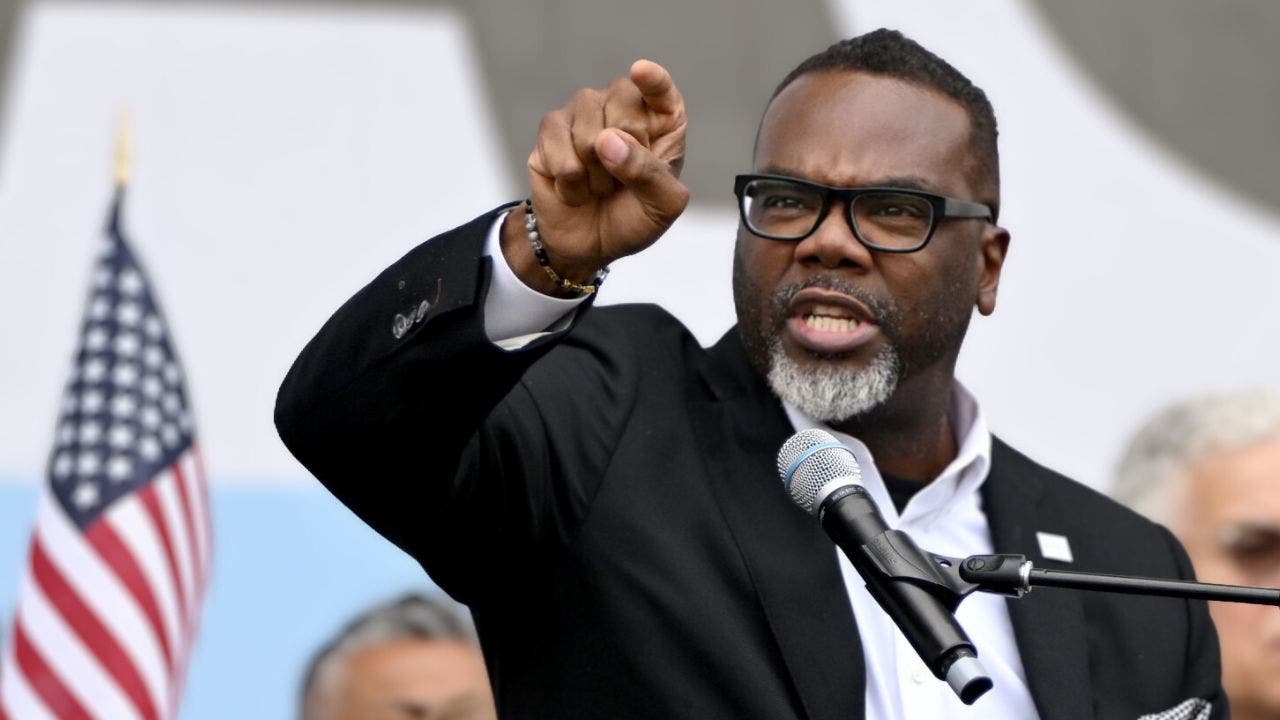
Chicago mayor Brandon Johnson puts ICE ‘on notice’ with executive order seeking prosecution of agents

 Chicago Sun-Times
Mayor Brandon Johnson orders CPD to investigate federal immigration agents for potential prosecution
Overview
Chicago Mayor Brandon Johnson signed an executive order titled "ICE On Notice" directing the Chicago Police Department to document alleged illegal activity by Immigration and Customs Enforcement officers, preserve body-camera footage and issue CPD guidance within 30 days, according to the mayor's office.
Johnson said the order creates a "clear procedure" to hold ICE and U.S. Customs and Border Protection agents accountable and described Chicago as the first city to build infrastructure for investigating and prosecuting federal immigration officers, in a post on X, according to the mayor's office.
Cook County State's Attorney Eileen O'Neill Burke's spokesperson said the office "remains committed to protecting public safety" but later said it had not been briefed, while Department of Homeland Security spokeswoman Tricia McLaughlin emailed that "claims of criminal misconduct by ICE law enforcement are FALSE," marking conflicting official accounts.
The directive follows heightened scrutiny after the Sept. killing of Silverio Villegas González by an ICE agent and the Jan. fatal shootings of Renee Nicole Good and Alex Pretti in Minneapolis, and comes amid Operation Midway Blitz in Illinois that led to at least 2,800 arrests between mid-September and mid-October, records show.
Legal experts cautioned that federal law and court precedent often shield federal officers from state prosecution, and officials said the order could prompt federal intervention or litigation over jurisdiction in the coming weeks.
Analysis
Center-leaning sources frame the story as a local accountability response to federal misconduct, emphasizing alleged abuses and municipal remedies. They use charged phrases (e.g., “rogue actors”), prioritize mayoral and victim-centered accounts, spotlight investigative data and video, and downplay federal perspectives—structurally advancing a narrative that federal agents lack accountability.