Judge Permanently Enjoins Parts of Trump's Citizenship Voting Order
U.S. District Judge Colleen Kollar-Kotelly permanently enjoined two provisions of Executive Order 14248 that required proof of citizenship for federal voter registration forms.
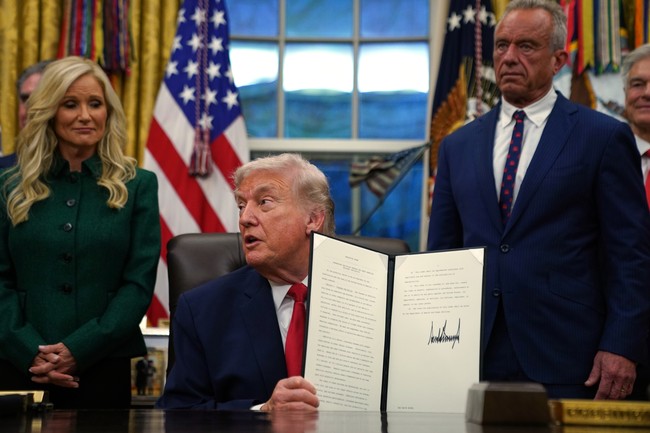
 Townhall
Judge Blocks Trump's Executive Order Requiring Citizenship to Vote
 Epoch Times
Judge Blocks Parts of Trump Order on Verifying Citizenship for Voter Registration
 ABC News
Judge blocks additional citizenship provisions in latest setback to Trump's election executive order

 Chicago Tribune
Judge blocks additional citizenship provisions in latest setback to Donald Trump’s election executive order
Overview
U.S. District Judge Colleen Kollar-Kotelly on Jan. 30, 2026 issued a permanent injunction blocking two provisions of Executive Order 14248 that would have required agencies to assess citizenship before providing federal voter registration forms and directed the Secretary of Defense to require documentary proof from military registrants, according to court documents.
The injunction follows consolidated lawsuits filed by the League of United Latin American Citizens, the Democratic National Committee and the League of Women Voters Education Fund, which argued the order exceeded the president's authority under the Constitution's separation of powers, court filings show.
Danielle Lang of the Campaign Legal Center, which represents plaintiffs in the litigation, said in a statement that the ruling protects overseas military families' ability to vote, while Abigail Jackson, a White House spokeswoman, said the administration views the measures as necessary for 'election security' and intends to appeal, officials confirmed.
Executive Order 14248, signed March 25, 2025, sought to require documentary proof of U.S. citizenship such as a U.S. passport on the national mail voter registration form, a key change the judge blocked, records show.
Kollar-Kotelly left other portions of the executive order intact and ordered additional proceedings on remaining claims, signaling ongoing litigation and likely appeals by the administration, according to court documents.
Analysis
Center-leaning sources present this primarily as straightforward legal news and are largely neutral. They quote the judge’s ruling, include both the White House defense and a voting-rights plaintiff, and note research showing noncitizen voting is rare. Minor word choices (e.g., “latest blow”) add mild emphasis but do not create a partisan narrative.