Trump Signs Order Cutting Federal Funding for NPR and PBS, Faces Pushback
President Trump’s executive order halts funding for NPR and PBS, citing bias and prompting vows to challenge in court by public broadcasting leaders.

 Chicago Sun-Times
Here's how Trump's order to cut federal funding to NPR and PBS could impact Illinois
 Chicago Sun-Times
Q&A: Chicago Public Media CEO on Trump's executive order to stop federal funding to NPR

 PBS NewsHour
A look at Trump's executive order targeting public media funding
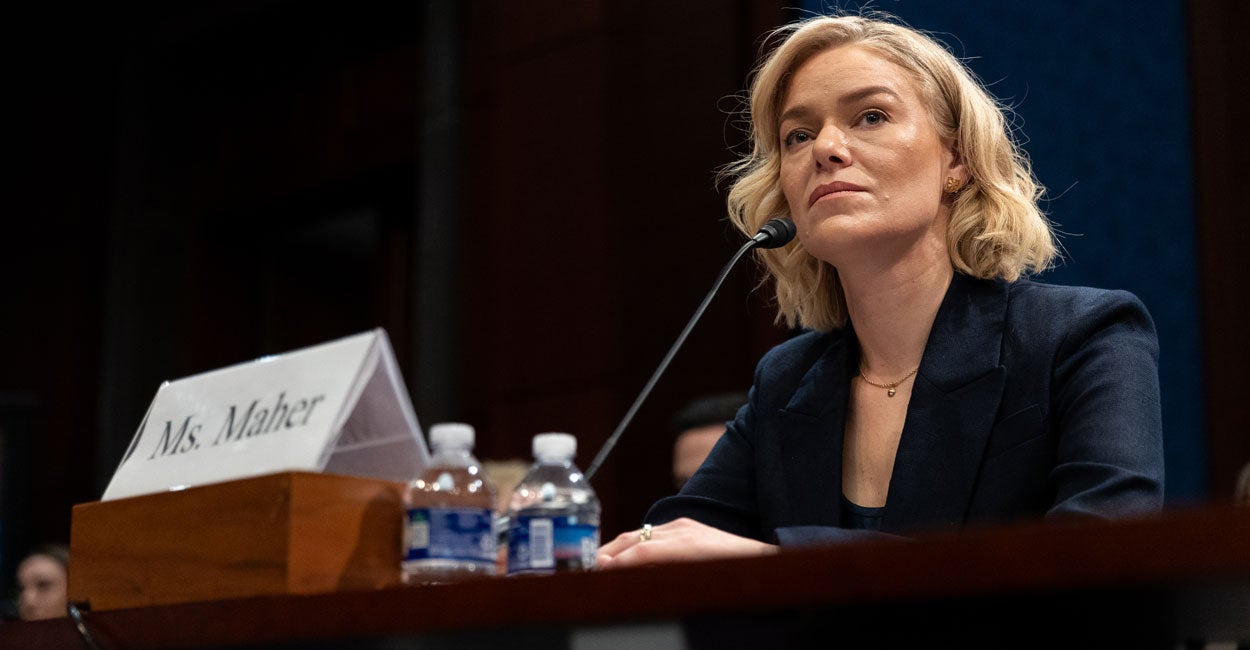
 Daily Signal
Trump Rightly Defunded PBS and NPR’s Long History of Anti-Conservative, Pro-Leftist Content
Overview
On May 1, 2025, President Trump signed an executive order terminating federal funding for NPR and PBS, alleging left-wing bias and demanding CPB halt support. He claims public broadcasting promotes partisan content and views subsidies as obsolete. In response, PBS and NPR leaders, including CEO Paula Kerger, condemned the order as unlawful and pledged to contest it, stressing their financial dependence on federal support, especially for rural stations. Critics, notably including U.S. Senator Dick Durbin, warn this move threatens democracy. The impact could severely affect public media, exacerbating disparities across locality, as many stations rely heavily on federal funds.
Analysis
Analysis unavailable for this viewpoint.
FAQ
The Trump administration alleges that NPR and PBS deliver 'biased and partisan news coverage,' which they claim spreads 'radical, woke propaganda' using taxpayer funds.
PBS and NPR collectively receive roughly half-a-billion dollars annually through the Corporation for Public Broadcasting.
The order is highly likely to face legal challenges. PBS and NPR leaders have vowed to contest it, as have other supporters of public broadcasting.
Federal funding represents approximately 15% of PBS's yearly income and about 1% of NPR's budget.
The funding cut is expected to exacerbate disparities across localities, as many public broadcasting stations rely heavily on federal funds, particularly rural ones.