Supreme Court Upholds Tennessee's Ban on Gender-Affirming Care for Minors
The U.S. Supreme Court has upheld Tennessee's ban on gender-affirming care for transgender minors, ruling it does not violate constitutional protections.
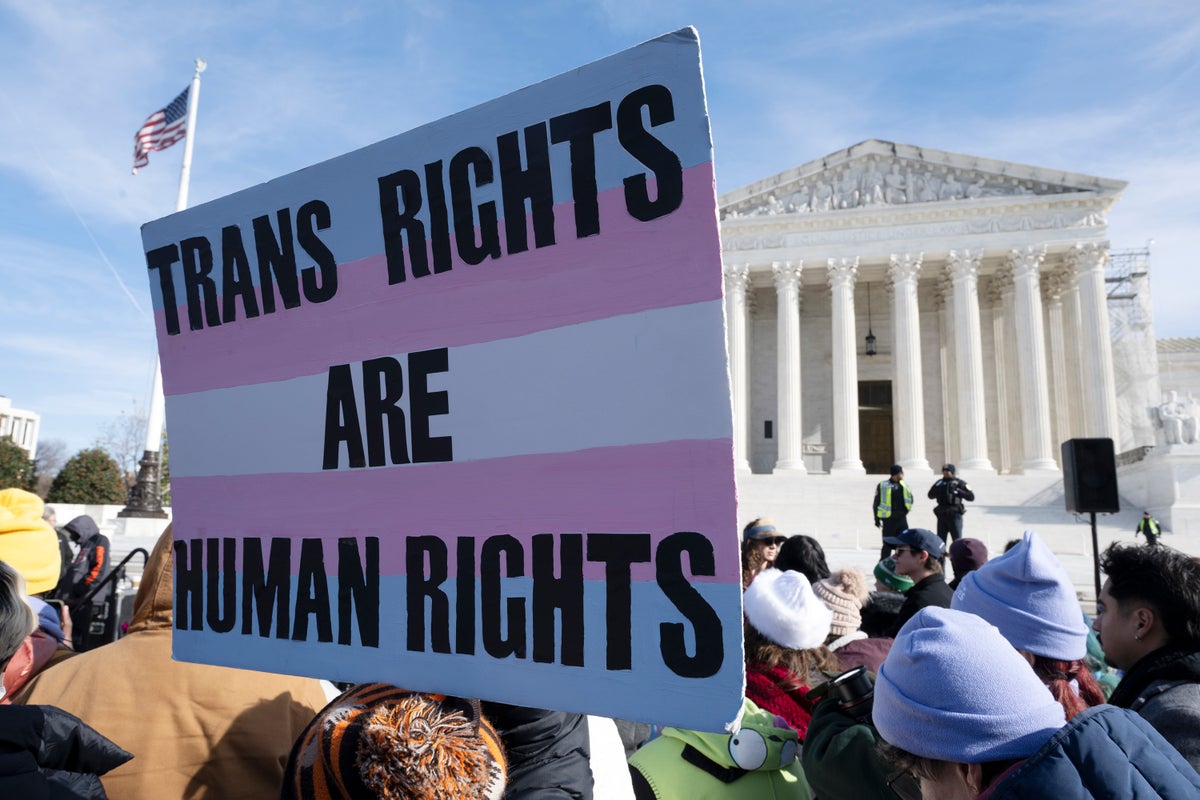
 Scientific American
How Supreme Court Trans Health Care Ruling Will Affect Kids
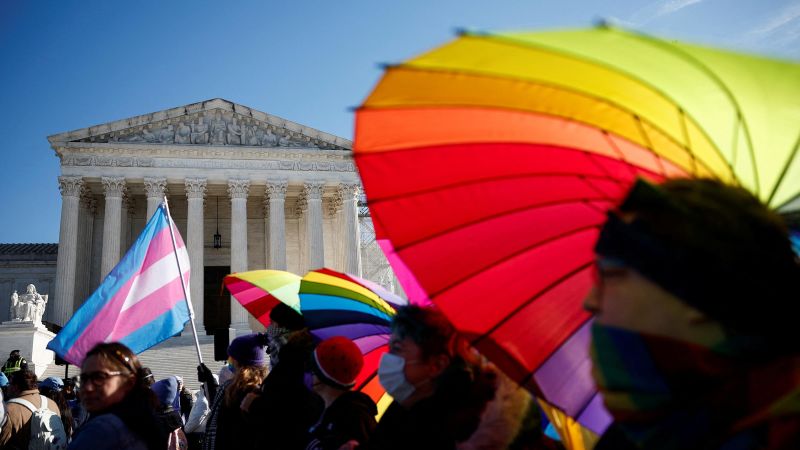
 CNN
CNNTakeaways from the Supreme Court’s historic decision on transgender care | Politics

 USA TODAY
Supreme Court turned its back on trans youth. Our community never will. | Opinion

 Boston Herald
What to know about the impacts of the Supreme Court’s ruling on transgender care for youth
Overview
The U.S. Supreme Court ruled 6-3 to uphold Tennessee's ban on gender-affirming care for minors, stating it does not violate the Constitution's equal protection clause.
Chief Justice John Roberts noted that the ruling aligns with a conservative majority, while dissenting justices criticized the decision as harmful to transgender youth.
Major medical organizations advocate for gender-affirming care as essential for mental health, citing its effectiveness in reducing depression and suicidality among transgender youth.
The ruling affects over 110,000 transgender youth in states with similar bans, raising concerns about access to necessary healthcare and parental rights.
Critics of the ruling argue it represents a significant setback for transgender rights and may lead to increased restrictions across the country.
Analysis
Center-leaning sources frame the Supreme Court's ruling on Tennessee's ban on gender-affirming care through a lens of legal authority and state rights, often highlighting the implications for transgender youth. There is a noticeable bias against the ruling, with many expressing concern over its impact on transgender rights and health care access.