IRS Clarifies Stance on Political Endorsements by Churches Amid Legal Challenges
The IRS confirms churches can endorse political candidates without losing tax-exempt status, as legal challenges against the Johnson Amendment gain momentum.
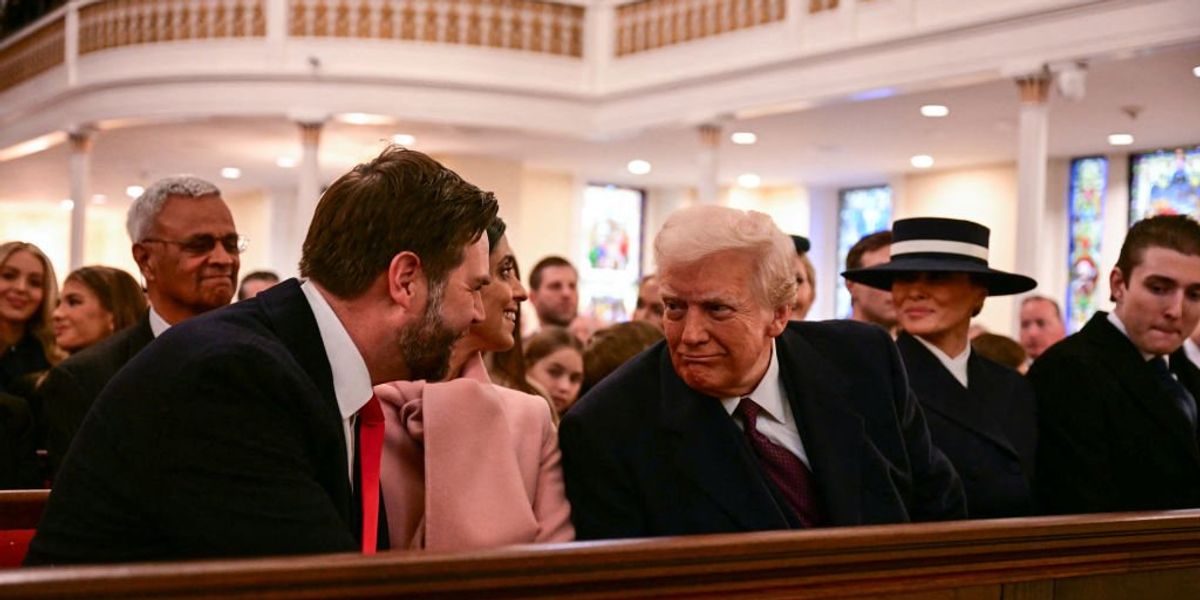
 The Blaze
Trump IRS realizes the president's years-old promise to churches
 Fox Business
IRS clears way for churches to endorse political candidates
 NBC News
IRS says churches can endorse political candidates without losing tax exemptions

 Breitbart News
IRS: Churches Should Be Permitted to Endorse Political Candidates
Overview
In August, Christian media groups filed a lawsuit against the IRS, claiming the Johnson Amendment violates their First Amendment rights.
The IRS has clarified that churches and pastors can endorse political candidates without risking their tax-exempt status, indicating a significant policy shift.
Legal challenges are intensifying, with the IRS and National Religious Broadcasters Association seeking to halt enforcement of the Johnson Amendment in federal court.
The Johnson Amendment, which restricts tax-exempt organizations from political endorsements, is under reconsideration, with debates on its implications for churches.
Recent legislative efforts by Republican lawmakers aim to formally remove the Johnson Amendment, promoting increased political engagement by religious organizations.
Analysis
Sources emphasize the IRS's stance that pastors endorsing political candidates should not lose tax-exempt status, highlighting a potential exemption from the Johnson Amendment. The tone suggests support for religious freedom and critiques the amendment as infringing on First Amendment rights. The articles also note the IRS's historical non-enforcement of the rule.