US House Passes Landmark Crypto Regulation Bills
The US House of Representatives passed three bills, including the bipartisan GENIUS Act, to establish federal regulations for the cryptocurrency industry, defining digital assets and enhancing market stability and consumer trust.

 Daily Beast
Trump Stands to Profit As He Signs Crypto Legislation
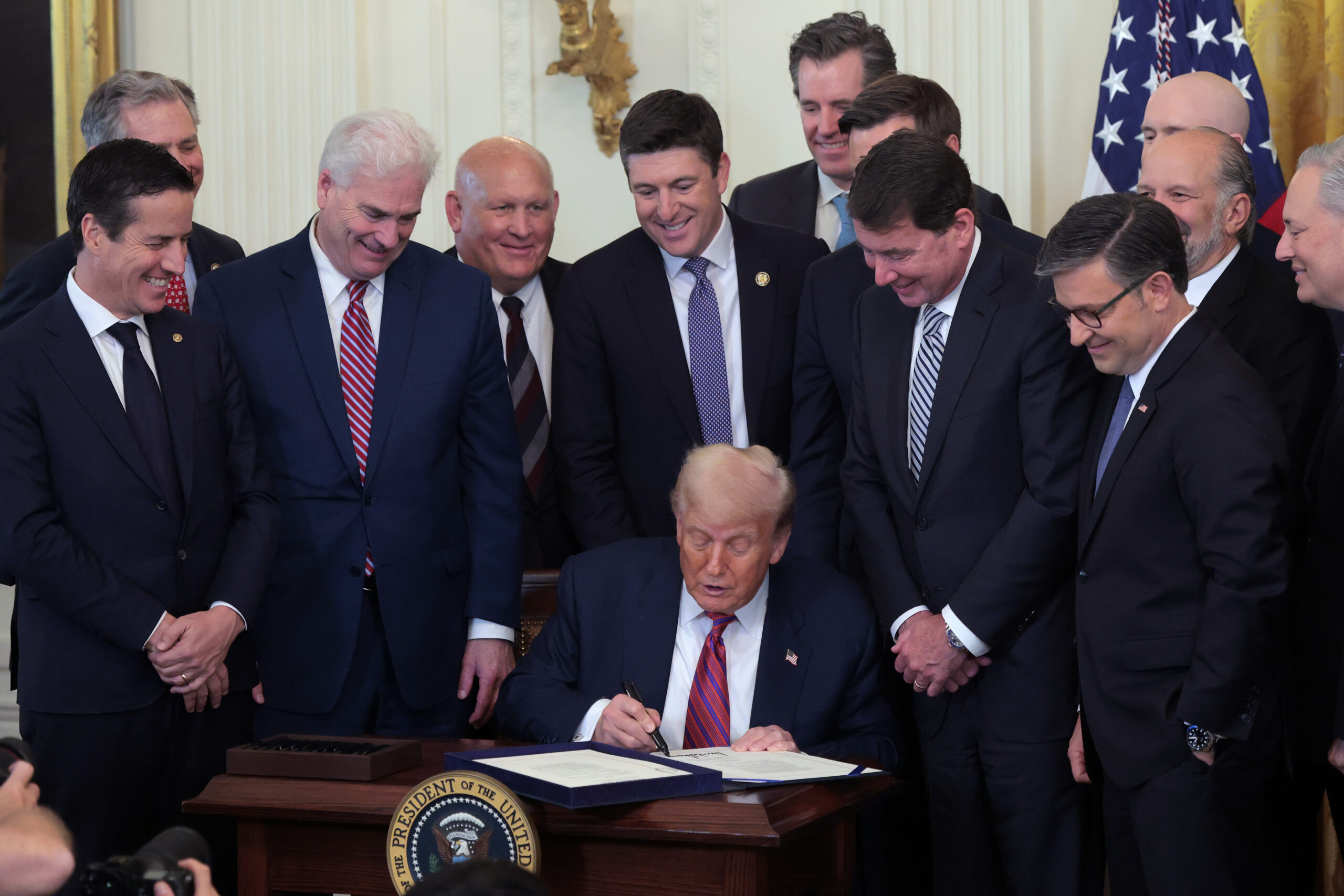
 New York Sun
Trump Signs the First Major Federal Cryptocurrency Bill, the GENIUS Act, Into Law
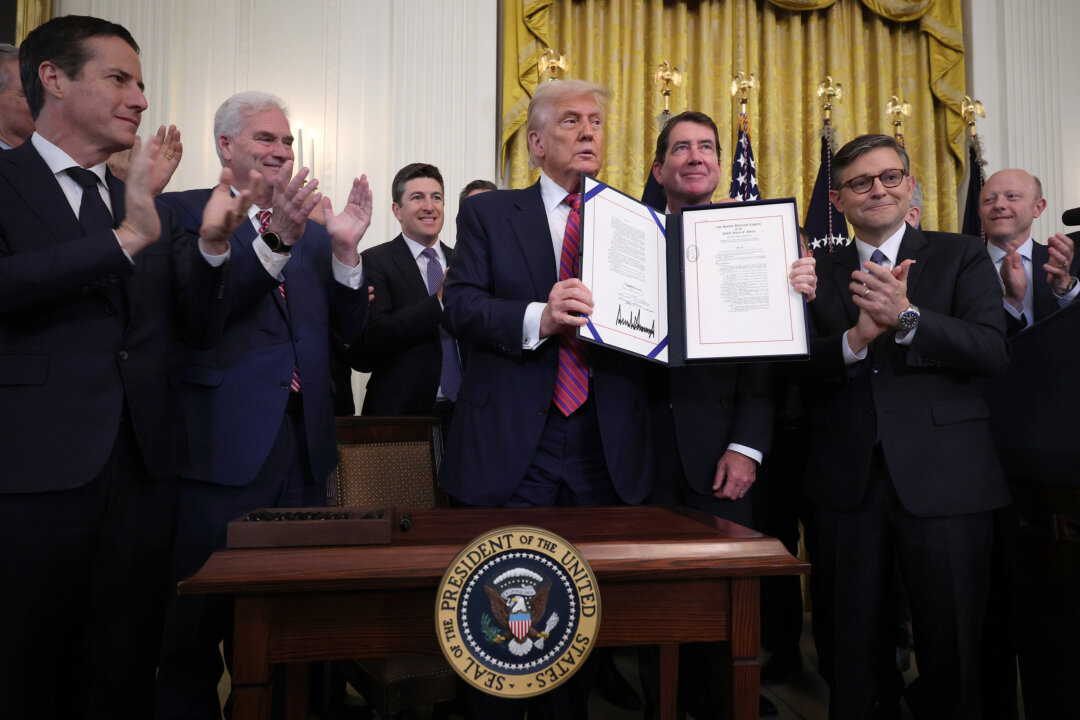
 Epoch Times
Trump Signs Major Crypto Bill to Set Up Stablecoin Regulatory Framework

 Chicago Sun-Times
Trump signs new stablecoin regulations into law, a major milestone for crypto industry
Overview
The US House of Representatives passed three significant bills to establish formal regulations for the rapidly expanding cryptocurrency industry, aiming to bring clarity and stability to digital assets.
The bipartisan GENIUS Act, a key stablecoin bill, mandates federal regulations for stablecoins tied to stable assets like the U.S. dollar, ensuring market stability and consumer trust.
This act requires stablecoin issuers to comply with US anti-money laundering and sanctions laws, aiming to minimize price fluctuations and enhance overall consumer confidence in digital assets.
Additionally, the House approved the Digital Asset Market Clarity Act of 2025 and the Clarity Act, which are designed to definitively classify whether a cryptocurrency is a security or a commodity.
While proponents view these legislative measures as crucial for crypto industry growth and safety, critics express concerns regarding potential lacking consumer safeguards and protection against fraud.
Analysis
Sources frame the "Genius Act" by emphasizing President Trump's significant personal financial gains from crypto and his family's stake in related ventures, suggesting a conflict of interest. They highlight the crypto industry's extensive lobbying efforts and critics' concerns that the legislation provides insufficient regulation, potentially accelerating corruption and weakening oversight compared to prior administrations.