Japan's Upper House Election Tests PM Ishiba Amid Economic Woes and Rising Populism
Japanese voters are participating in a crucial upper house election, assessing Prime Minister Shigeru Ishiba's popularity. Economic frustrations and rising right-wing populism are key issues.
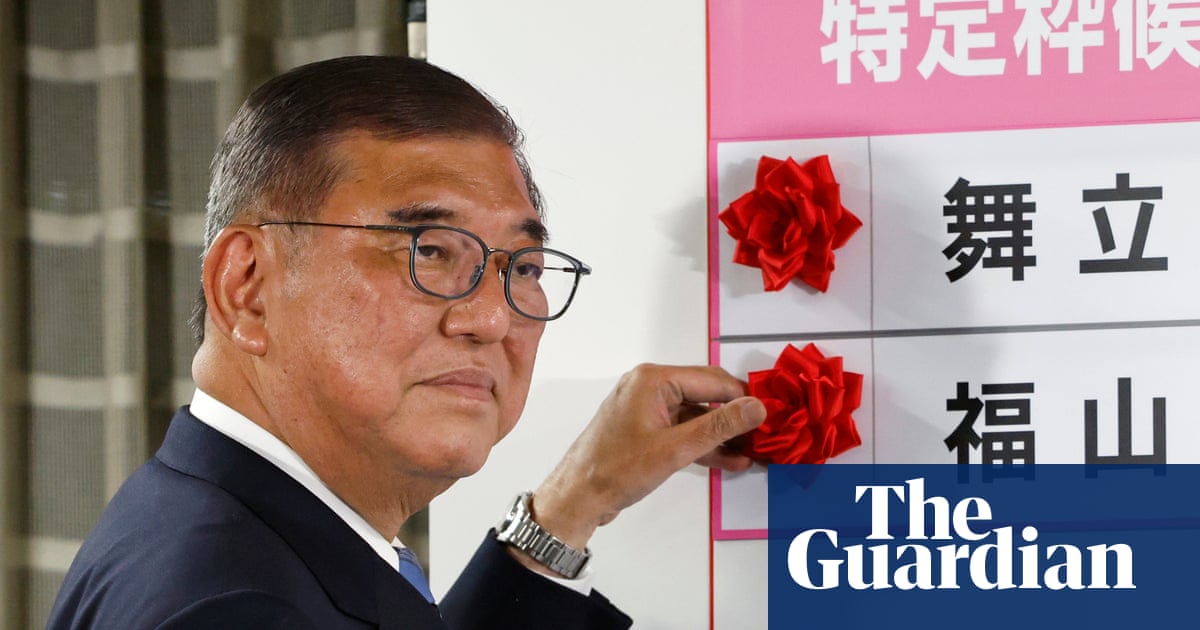
 The Guardian
Japan’s PM accepts ‘harsh’ election result as loss of upper house predicted
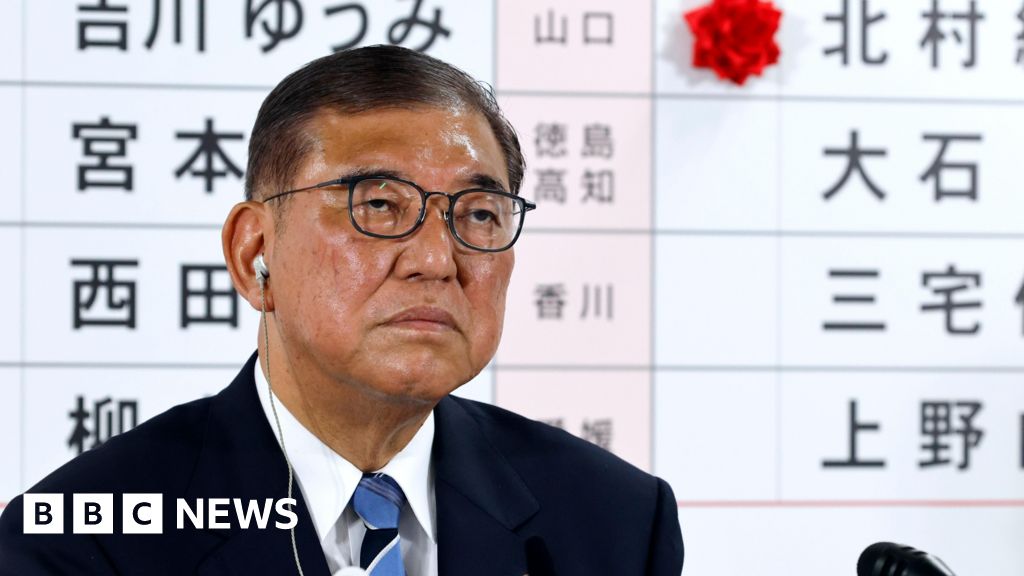
 BBC News
Japan election: PM Shigeru Ishiba vows to stay on despite bruising exit poll
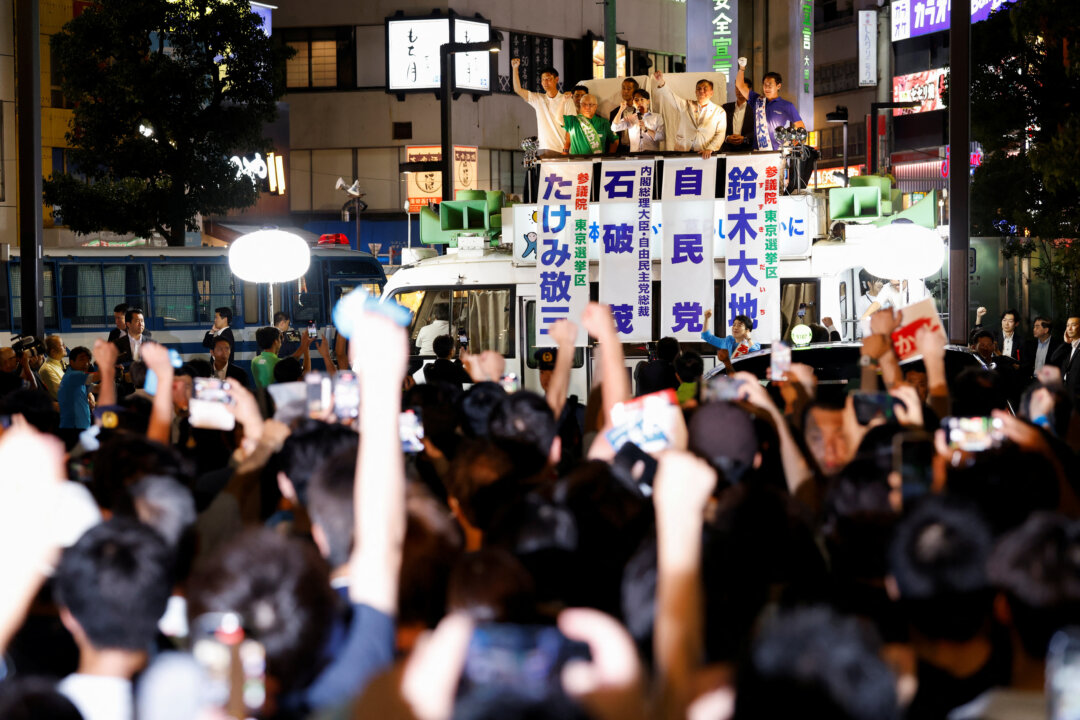
 Epoch Times
Japan’s Minority Government Poised to Lose Control of Upper House: Exit Polls
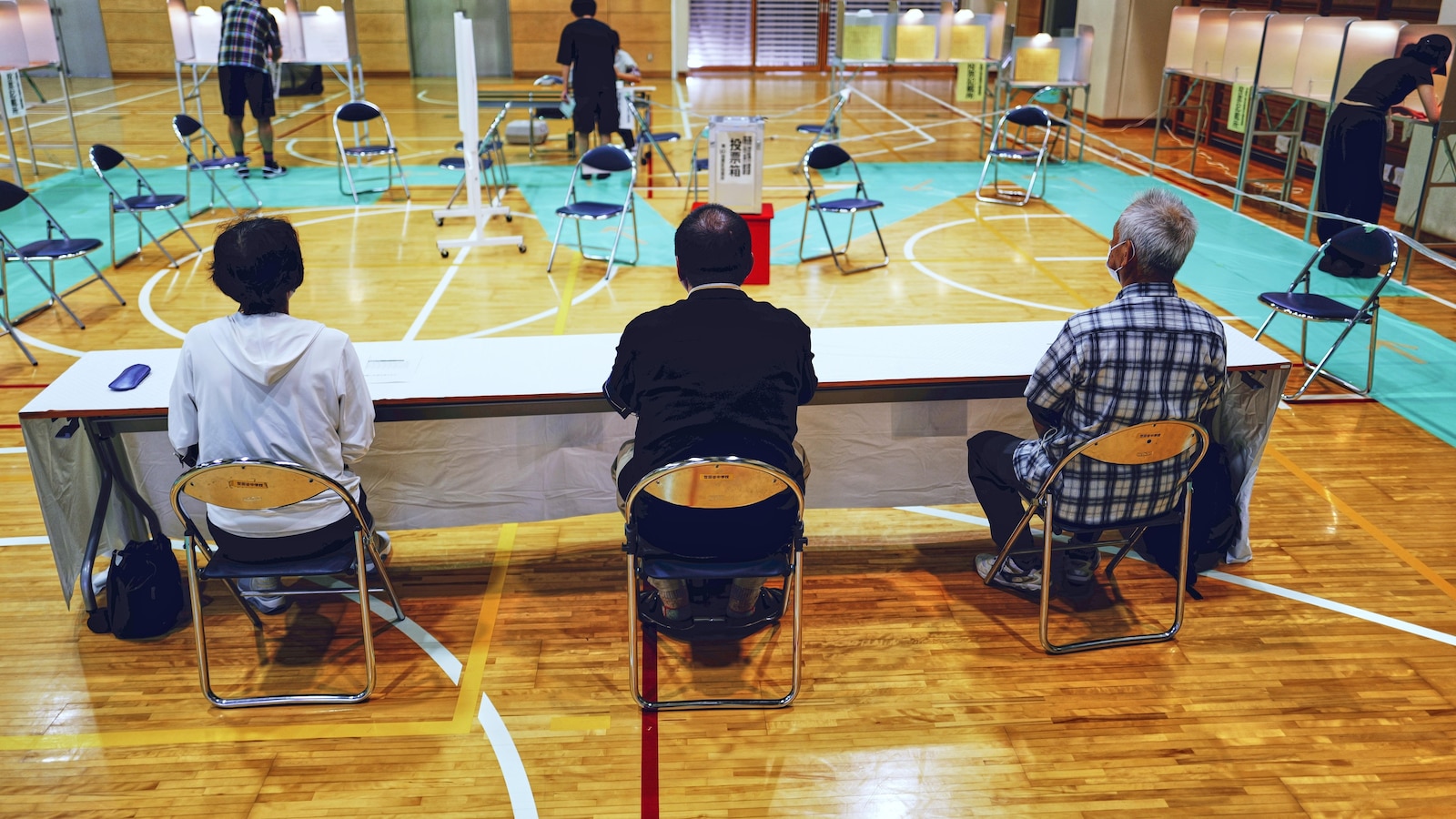
 ABC News
Japan's governing coalition likely to lose upper house election, exit polls show
Overview
Japanese voters are participating in a crucial upper house election to assess Prime Minister Shigeru Ishiba's popularity, with his ruling coalition risking a majority loss.
Widespread voter frustration stems from soaring prices, stagnant incomes, and burdensome social security payments, fueling concerns about Prime Minister Ishiba's potential defeat.
Stricter measures targeting foreign residents have emerged as a key election issue, contributing to the rise of right-wing populist parties like Sanseito advocating "Japanese First."
A poor election performance would deepen uncertainty over Prime Minister Ishiba's political future and Japan's stability, though it won't immediately trigger a government change.
Despite potential setbacks for the ruling coalition, main opposition groups remain fractured, while smaller parties gain support by advocating for tax cuts and increased public spending.
Analysis
Center-leaning sources frame the Japan election results as a significant blow to Prime Minister Ishiba, emphasizing the resulting political instability and uncertainty. They highlight voter frustration over economic issues and the rise of right-wing populist parties, collectively portraying the outcome as a "bruising" defeat that could destabilize the government.