Peruvian President Signs Controversial Amnesty Law Shielding Forces from Human Rights Prosecutions
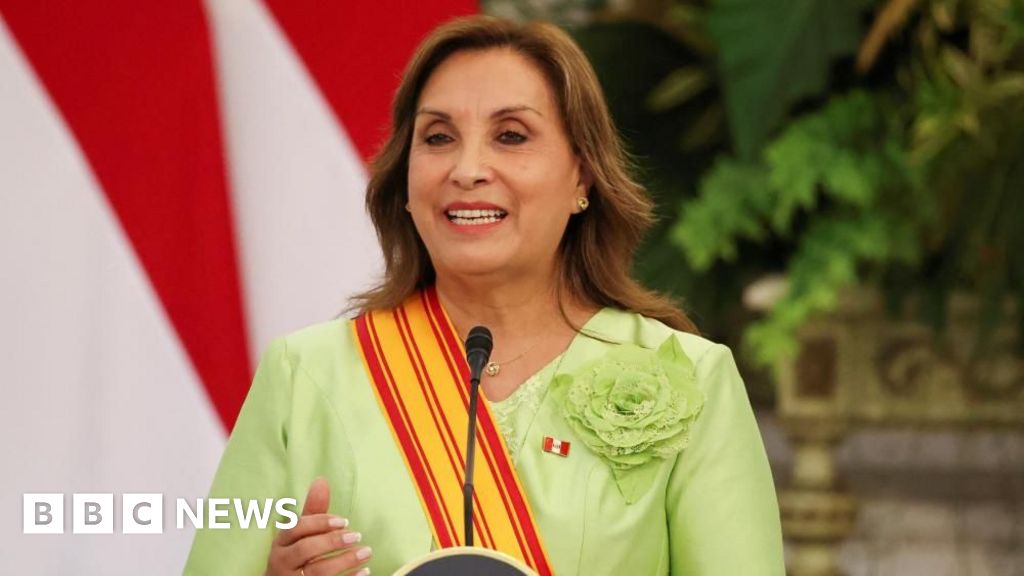
Peruvian President Dina Boluarte signed a controversial amnesty law, shielding military and police from prosecution for human rights abuses during the 1980-2000 internal conflict, despite widespread criticism.




Overview
Peruvian President Dina Boluarte signed a controversial amnesty law, shielding military, police, and government forces from prosecution for human rights abuses during the 1980-2000 internal conflict, despite outcry.
The new law protects hundreds of armed forces, police, and self-defence committee members accused of serious human rights violations committed during Peru's violent conflict from 1980 to 2000.
Human rights groups, international observers, and UN experts have strongly criticized the amnesty bill, calling it a violation of international law and expressing concerns about its impact on justice.
This legislation could potentially affect over 600 ongoing investigations and 156 existing convictions related to the conflict between government forces and left-wing rebel groups like the Shining Path.
The law also grants amnesty to individuals over 70 convicted of crimes and mandates their release, echoing a similar amnesty law previously passed in Peru in 1995.
Analysis
Center-leaning sources frame Peru's amnesty law as highly controversial and detrimental to human rights accountability. They emphasize the law's potential to halt trials for "atrocities" and "grave abuses," highlighting strong condemnation from international bodies and human rights organizations. The coverage underscores the historical context of state-sponsored violence and previous efforts to ensure impunity, collectively portraying the law as a significant setback for justice.